
Julian F. Keith Alcohol and Drug Abuse Treatment Center
201 Tabernacle Rd
Black Mountain, NC 28711
 Sponsored
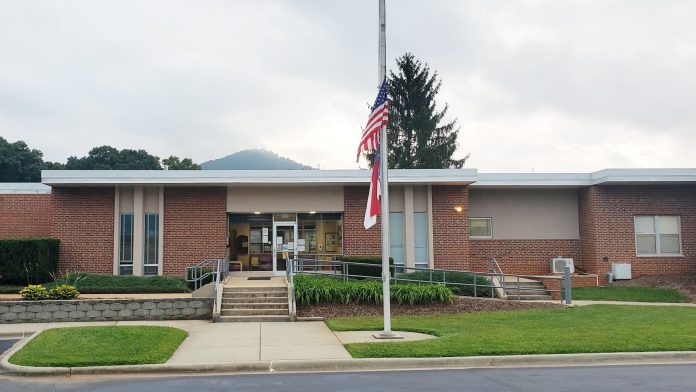
About Julian F. Keith Alcohol and Drug Abuse Treatment Center
The Julian F Keith alcohol and drug abuse treatment center helps adults with substance abuse issues. You’ll find ‘em out in Black Mountain, North Carolina . They have inpatient and outpatient programs available, depending on the individual recovery needs and goals.
They have medically monitored detox services in their acute care unit to keep guests comfortable. The interdisciplinary team supervises detox for safety and also helps stabilize guests with co-occurring mental health conditions.
The inpatient program allows guests to focus on healing without worrying about outside distractions. These services include a structured environment conducive to recovery. The rigorous schedule includes a full day of therapy groups where you can share addiction challenges with others in recovery and receive feedback that may be helpful for your journey.
Inpatient classes help with educational resources where you may learn more about the disease of addiction and how it can affect your health and relationships. Discharge planning includes referrals for ongoing treatment with other agencies and health providers. They may recommend outpatient care for continued support.
Their outpatient services are appropriate for those who want to live at home and continue with regular activities like working or attending school. It’s also best for those who have a supportive network at home.
The program includes peer support specialists who are in recovery and can offer support and connections to tools and resources needed for sobriety. Peers can help guide you through the program so that you receive the most benefit and assistance. They’ll share their struggles and experiences with you and provide community connections for more support.
Peers can also help with transportation, employment opportunities, food, clothing, and other necessities. This service can be especially helpful in the beginning phases of recovery. These services are available for up to 30 days after discharge. Referrals for treatment are made through your Local Management Entities/Managed Care Organization or community provider.
Amenities
Residential drug rehab provides the comforts of home with the therapeutic support needed to successfully recover. Benefits of an inpatient program include increased safety, a higher success rate, and the time and distance given to focus on recovery. Residential drug rehabs are often the preferred method of treatment, as they can be tailored to meet specific needs, offer focused therapeutic care, and provide the necessary tools to sustain recovery.
Recreational therapy uniquely combines therapeutic interventions with an activity, like horse-riding, hiking, wilderness therapy, basketball, tennis, or a full workout. Benefits of recreational therapy include providing a healthy way to work through the emotions of recovery, learning to build and maintain relationships, improving communication skills, and building self-esteem.
Addiction Treatment Programs
When individuals participate in a young adult program in North Carolina, they feel more at ease in a setting that is age-appropriate. Activities, therapies, and aesthetics are all tailored for this age group, so participants can feel comfortable and are more likely to complete the program.
The center serves adults who need substance use disorder treatment and psychiatric stabilization, preparing them for ongoing community-based recovery services.
Alcohol rehab in North Carolina is a course of treatments that helps participants overcome alcohol dependency. Treatments address physical, mental, and emotional aspects of substance use disorder and help the individual develop healthy habits for long-term recovery.
An inpatient Opioid Treatment Program lets people receive medications for opioid use disorder, and is offered at both ADATC locations.
There are many types of drug rehab in North Carolina. To receive treatment for addiction, you can choose from many inpatient and outpatient programs. Often, participants start with detox and work through a full continuum of care that continues with ongoing support for long-term recovery.
Elderly rehab in North Carolina provides specialized treatment for addiction among adults ages 55 and older or 65 and older. This treatment typically addresses dual diagnosis, substance use disorder, and age-specific concerns of seniors.
Specialized programs include evidence-based treatment for veterans and trauma survivors, alongside statewide perinatal and opioid treatment.
The goal of rational emotive behavioral therapy in North Carolina is to help you develop healthy emotional, behavioral, and cognitive patterns so you can increase your quality of life and achieve sobriety goals. This is accomplished by increasing healthy, rational beliefs.
Moral Reconation Therapy (MRT) is a form of psychotherapy commonly used in addiction recovery. Based on cognitive behavioral therapy (CBT), moral reconation therapy (MRT) helps clients recognize unhealthy and/or harmful thought patterns and to replace them with more positive and productive ones. MRT is designed to empower clients to make healthier life choices and to more effectively align their behaviors with their moral values.
Levels of Care
Treatment is open to people with a substance use disorder, including those with co-occurring substance use and mental health disorders.
When you choose inpatient drug rehab in North Carolina, you’ll live at a rehab facility for 28 to 90 days, depending on the program. Typical methods of treatment include group and individual therapy and family counseling.
Medical detoxification serves people experiencing toxic effects or potentially dangerous withdrawal. The inpatient Opioid Treatment Program provides medications for opioid use disorder.
Many people find that a few months in North Carolina sober living after rehab treatment gives them a good foundation for long-term recovery. The average stay at a sober living home is five to eight months, but you get to decide when you are ready to live on your own.
Recovery journeys often begin with intervention services in North Carolina. This treatment tool provides key support in planning and facilitating an effective intervention. Intervention specialists can also provide resources to develop treatment plans and guide families through the admission process.
Outpatient rehab in North Carolina is often the next step for those who complete an inpatient program. This less restrictive treatment involves several hours of therapy per week, and accountability through 12-step meetings such as AA. You’ll continue this treatment as long as needed, which could be weeks, months, or years.
Accreditations
Contact Information


 Sponsored
Patti Croft is a full-time writer who writes about accessing effective addiction treatment during the day but is also pursuing her dream of penning a novel in her spare time. She enjoys copious amounts of coffee as creative fuel and sharing an office with her adorable cat, Beau. Her background is in healthcare management, and she is a passionate advocate for mental health and addiction care.
Peter W.Y. Lee is a historian specializing in American Cold War history. He has published widely on youth culture and the social impact of popular culture throughout the twentieth century and how the public has approached culture as a means of coping with the challenges that accompany changing times.
Rehabs.org regularly reviews this listing for accuracy but changes may occur between updates. For the most up-to-date information, please contact Julian F. Keith Alcohol and Drug Abuse Treatment Center.
Nearby Treatment Centers

32 Knox Road
Black Mountain, NC 28771
2706 US-70
Swannanoa, NC 28778
741 Old US Highway 70
Swannanoa, NC 28778
932 Old US Highway 70
2nd Floor, Moore II
Black Mountain, NC 28711
Popular North Carolina Cities
More Cities View Other North Carolina CitiesFAQs
Does Julian F. Keith Alcohol and Drug Abuse Treatment Center take Medicaid?
Yes. Health insurance, Medicare and Medicaid coverage can all be applied to the cost of services, and the daily rate is set on a sliding scale. Learn more about Medicaid coverage for rehab.
What levels of care does this Black Mountain center offer?
The center provides short-term, medically monitored detoxification and crisis stabilization for adults whose withdrawal symptoms require medical care. It treats substance use and co-occurring mental health disorders, runs an inpatient Opioid Treatment Program with medications for opioid use disorder, and offers outpatient services.
Which patients does the Black Mountain center serve?
Adults who need substance use disorder treatment and psychiatric stabilization. Specialized programs serve trauma survivors and veterans, and the Perinatal Program lets pregnant patients with substance use or co-occurring disorders receive treatment throughout pregnancy.
When was the Julian F. Keith treatment center established?
The center was established in Black Mountain, North Carolina, in 1969. Counties that RJB used to cover now fall to the Walter B. Jones and Julian F. Keith ADATCs, divided by where a person lives.
