
First at Blue Ridge
32 Knox Road
Black Mountain, NC 28771
 Sponsored
About First at Blue Ridge
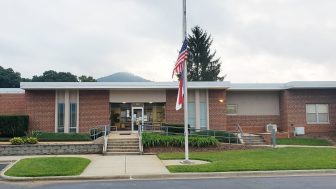
First at Blue Ridge is a residential rehab center in Ridgecrest, North Carolina that's licensed by the state and run as a peer led therapeutic community.
It's built for people with chronic substance use disorders, and its services also cover what often comes with addiction, including losing housing or a job, or a case in the criminal courts.
Men and women live on campus, where 12 step meetings run every day and counselors work with mental health concerns.
I want to note that Veterans have a separate route, since Vets FIRST is funded by the Department of Veterans Affairs and is open to veterans who were not dishonorably discharged.
Program Fees and Scholarships
First at Blue Ridge charges a fee when you're admitted to its long term program. I want to add that scholarships are available for people with financial need.
In some cases the center can arrange a sliding fee or a flexible payment plan, so paying for rehab doesn't have to mean one payment up front.
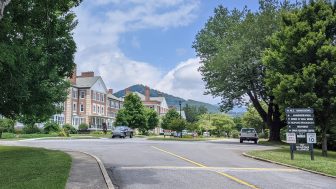
The Ridgecrest campus is east of Asheville and close to Interstate 40, with 85 beds for men, 65 for women and transitional housing for people who finish the program.
Amenities
Residential drug rehab provides the comforts of home with the therapeutic support needed to successfully recover. Benefits of an inpatient program include increased safety, a higher success rate, and the time and distance given to focus on recovery. Residential drug rehabs are often the preferred method of treatment, as they can be tailored to meet specific needs, offer focused therapeutic care, and provide the necessary tools to sustain recovery.
Addiction Treatment Programs
An adult program in North Carolina typically combines individual and group counseling, medical treatment, and various other therapies to treat substance use disorders. Treatment can take place in an inpatient or outpatient setting.
Alcohol rehab in North Carolina is a course of treatments that helps participants overcome alcohol dependency. Treatments address physical, mental, and emotional aspects of substance use disorder and help the individual develop healthy habits for long-term recovery.
Many therapists use cognitive behavioral therapy in North Carolina to treat substance use disorders. This goal-oriented method addresses maladaptive thinking and related beliefs that affect behaviors and can lead to addiction.
Men’s rehab in North Carolina offers customized treatment for men. These programs provide personalized treatment that is designed with the unique needs of men in mind.
To overcome opioid addiction, attend opioid rehab in North Carolina. Treatment takes place in inpatient or outpatient care, using a variety of therapies, medications, and other helpful interventions. Length of treatment caries, typically lasting 30, 60, or 90 days.
Women’s rehab in North Carolina allows women to receive gender-specific treatment tailored to their needs. Programs are available for alcohol, heroin, prescription drugs, benzos, and any other addictive substances, as well as co-occurring disorders.
When individuals participate in a young adult program in North Carolina, they feel more at ease in a setting that is age-appropriate. Activities, therapies, and aesthetics are all tailored for this age group, so participants can feel comfortable and are more likely to complete the program.
Veteran’s rehab in North Carolina offers trauma-informed therapy from experienced mental health professionals. These programs offer a supportive and understanding environment to help Veterans recover from substance use disorders and manage co-occurring conditions.
Levels of Care
When you choose inpatient drug rehab in North Carolina, you’ll live at a rehab facility for 28 to 90 days, depending on the program. Typical methods of treatment include group and individual therapy and family counseling.
Aftercare rehab in North Carolina is a crucial part of relapse prevention. It gives you access to resources that will help you manage stress and overcome life hurdles. Typical services include career coaching, financial guidance, and ongoing counseling and emotional support. These may continue for a few months or more than a year after initial rehab.
Some of the most common co-occurring mental health disorders include anxiety, depression, and eating disorders. When these are present alongside substance use disorder, dual diagnosis treatment in North Carolina is necessary to address both conditions.
Many people find that a few months in North Carolina sober living after rehab treatment gives them a good foundation for long-term recovery. The average stay at a sober living home is five to eight months, but you get to decide when you are ready to live on your own.
Accreditations
Contact Information


 Sponsored
Natalie is a recent graduate of Purdue University, where she studied psychology and creative writing. Every morning, she’s fueled by a cup of tea and her passion for making sure mental health resources are accessible to everyone. In her spare time, she loves writing poetry by her window, where she can watch the sunrise.
Rehabs.org regularly reviews this listing for accuracy but changes may occur between updates. For the most up-to-date information, please contact First at Blue Ridge.
Nearby Treatment Centers

741 Old US Highway 70
Swannanoa, NC 28778
2706 US-70
Swannanoa, NC 28778
201 Tabernacle Rd
Black Mountain, NC 28711
932 Old US Highway 70
2nd Floor, Moore II
Black Mountain, NC 28711
