
John Volken Academy
 Sponsored
About John Volken Academy
Only men can access care at John Volken Academy, a residential addiction treatment center in Gilbert. Substance use disorders are treated at the Arizona center, along with mental health conditions that often occur with them.
A Two-Year Minimum
I appreciate that the program is a multi-year vocational training school with a minimum stay of 2 years. A stay of that length will take you out of a regular job so you'll need to plan around a longer schedule than some facilities require.
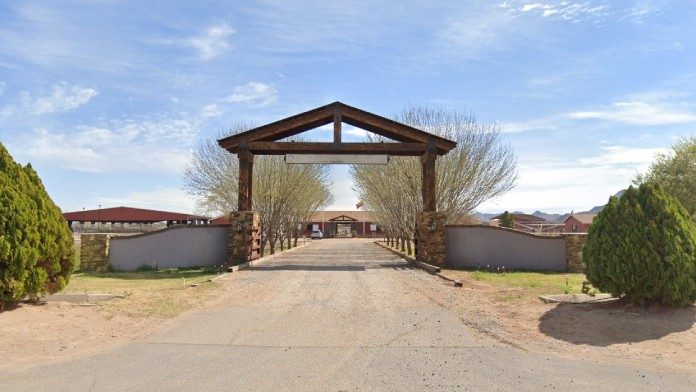
The campus is a ranch near San Tan Mountain in Arizona, with welding, a plasma cutter and over 100 horses.
Outpatient care and detox aren't offered at the academy. A clinical psychologist provides one-on-one counseling, and family therapy is offered to help loved ones affected by addiction.
Paying Without Insurance
Insurance isn't required at the academy, so you can start paying for rehab without coverage in place. I noted that what you pay can still change with how long the program runs and if you have insurance benefits.
Graduates of the academy can move into affordable transitional housing close to the Gilbert campus once the program ends. Aftercare includes relapse prevention, re-entry support and an alumni program.
Amenities
Residential drug rehab provides the comforts of home with the therapeutic support needed to successfully recover. Benefits of an inpatient program include increased safety, a higher success rate, and the time and distance given to focus on recovery. Residential drug rehabs are often the preferred method of treatment, as they can be tailored to meet specific needs, offer focused therapeutic care, and provide the necessary tools to sustain recovery.
Recreational therapy uniquely combines therapeutic interventions with an activity, like horse-riding, hiking, wilderness therapy, basketball, tennis, or a full workout. Benefits of recreational therapy include providing a healthy way to work through the emotions of recovery, learning to build and maintain relationships, improving communication skills, and building self-esteem.
Transportation services are designed to ensure your addiction treatment begins and ends successfully by offering free transportation to the rehab facility, to and from your appointments during rehab, and back home upon program completion.
Art and music are mediums that connect with our feelings, making them a great recovery tool during addiction treatment. Studies show that combining art/music and drug rehab can have a greater therapeutic impact than drug rehab alone, as you’re able to access parts of your brain and body that you may not have access to during traditional talk therapy. Benefits of art/music therapy include lowering stress and anxiety, promoting healthy neurochemicals, and providing stress relief.
When paired with cognitive-behavioral therapy, exercise can be an effective tool for overcoming addiction. Drug rehabs with a gym offer clients healthy ways to increase energy levels, balance the body’s stress hormone levels, and aid in the brain’s healing process.
Some rehab programs offer free Wi-Fi to guests who have full access to their smartphone devices or laptop computers during treatment. While access to these devices may be allowed, the time spent using them is often regulated or restricted so clients can focus on treatment.
Wilderness rehab programs offer all the benefits of a traditional drug rehab, but with the added benefits of outdoor adventure. Venture out into the forest to learn new skills, explore the beauty of nature, and relieve stress. Engaging in wilderness activities is a great way to gain self-discovery and release negative emotions.
When used as part of an evidence-based treatment plan, basketball can boost physical and mental health, lead to sharper thinking, and facilitate improved self-esteem. Drug rehabs with a basketball court also place a focus on teamwork and cooperation.
There’s nothing more distressing than leaving pets at home when leaving for for rehab. That’s why many addiction treatment programs are now pet friendly, allowing you to bring pets with you while attending a residential drug rehab program. These tailored addiction treatment programs provide a private room that has space to comfortably support you and your beloved furry companion.
Addiction Treatment Programs
When individuals choose a young adult program in Arizona, they receive multidisciplinary care that addresses all aspects of their lives. Treatment focuses on physical, social, educational, and emotional needs, encompassing both addiction and dual diagnosis treatment.
A rehab adult program in Arizona provides treatment for addiction. Adults (age 18+) participate in various therapies that are designed to break the cycle of substance abuse and teach new coping skills so the individual can maintain a healthy, sober lifestyle.
If you’re struggling with alcohol use disorder, alcohol rehab in Arizona can help. Many treatment options are available to help individuals recover and take steps to create a healthy and fulfilling life. Programs include long-term, short-term, inpatient, and outpatient alcohol rehab.
Men only can take part. The long-term residential program works on life skills and behavioral change, with a minimum commitment of 2 years.
Women’s experiences with addiction can differ greatly from men’s. Women’s rehab in Arizona addresses these differences and provides gender-specific treatment targeted to meet women’s needs.
Individuals who attend opioid rehab in Arizona are provided a safe and comfortable environment where they can focus on sobriety. The goal of treatment is to address issues that drive dependence and help individuals learn how to live independently from opioid use.
Cognitive behavioral therapy in Arizona teaches individuals in addiction treatment to connect their feelings, thoughts, and actions to discover how these impact their recovery. This treatment method is frequently used for the treatment of substance use disorders and co-occurring disorders.
Drug rehab in Arizona is the process of treating individuals who are dependent on a particular addictive drug. Because addiction is complex, this treatment typically includes a variety of interventions that address the many issues involved.
Fitness therapy is an evidence-based complementary approach to addiction recovery and mental health care. Based on mounting scientific evidence of the benefits of physical activity in improving mood, enhancing clients’ sense of wellbeing, and decreasing depression and anxiety, fitness therapy encompasses a wide spectrum of intensities, from gentle yoga, qigong, and tai chi to weight training, kickboxing, and other highly physical activities.
Animal & equine therapy are evidence-based complementary therapies drawing on the emotional, psychological, and physiological benefits of regular contact with animals. Addiction recovery programs may incorporate the care of therapy dogs, cats, horses, and other animals into their treatment model to support clients’ development of recovery-focused life skills, including personal responsibility, time management, and empathy. Contact with therapy animals may reduce stress, enhance mood, decrease depression and anxiety, and increase clients’ self-esteem and sense of wellbeing.
Levels of Care
Outpatient rehab in Arizona often serves as a transition from inpatient treatment to aftercare programs. It is suitable for those who are coping well in recovery but still need a high level of accountability from counselors and peers.
If you are struggling with both addiction and mental illness, you need Arizona dual diagnosis treatment. Because one condition can aggravate the other, this integrated method treats both at the same time, for better recovery results.
Rehab aftercare in Arizona helps people in recovery adapt to everyday life once they’ve completed initial rehab treatment. It can include counseling, academic or financial assistance, goal setting, legal advice, and support groups.
John Volken Academy runs a men's residential school for vocational training, and the minimum commitment asked for is 2 years.
Drug rehab in Arizona typically begins with detox, which is the process of ridding your body of addictive substances. Medical professionals will customize your detoxification and create a recovery plan that fits you best.
Contact Information


 Sponsored
Patti Croft is a full-time writer who writes about accessing effective addiction treatment during the day but is also pursuing her dream of penning a novel in her spare time. She enjoys copious amounts of coffee as creative fuel and sharing an office with her adorable cat, Beau. Her background is in healthcare management, and she is a passionate advocate for mental health and addiction care.
Rehabs.org regularly reviews this listing for accuracy but changes may occur between updates. For the most up-to-date information, please contact John Volken Academy.
Nearby Treatment Centers



FAQs
Does John Volken Academy require health insurance to enroll?
No insurance is required. The long-term residential program for men does not make coverage a condition of taking part, so you can be in the program without a health plan.
What kind of program is the Gilbert campus?
It’s a men’s residential vocational training school. The program runs for multiple years, and the minimum commitment is 2 years. You can read about inpatient rehab if you want that level of care explained.
Who is allowed to live in the program?
Men only. The long-term residential program is for men. Life skills and behavioral change are what the program works on with the men who live there.
How long is the minimum commitment at John Volken Academy?
The minimum commitment is 2 years. The men’s residential vocational training school is a multi-year program, so two years is the shortest stay and the program can run past that point.
What is the campus like, and where does it sit?
The campus is a 40-area ranch in the Arizona desert, under the San Tan Mountain. Welding and a plasma cutter sit on the ranch, along with over 100 horses and other farm animals.
