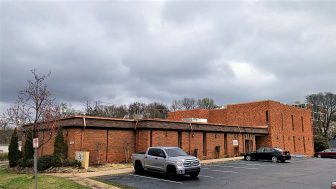
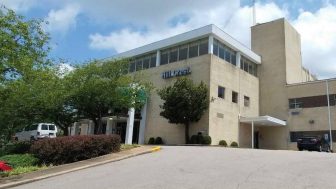
JBS Mental Health Authority
940 Montclair Road
Suite 200
Birmingham, AL 35213
 Sponsored
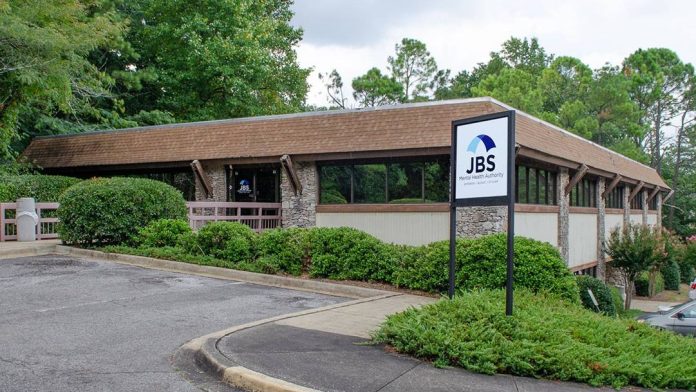
About JBS Mental Health Authority
JBS Mental Health Authority is a regional behavioral health and substance use treatment provider in Birmingham, Alabama, offering dual-diagnosis and addiction-adjacent care for children, adolescents, adults and seniors.
Located on Montclair Road, this public nonprofit serves Jefferson, Blount and St. Clair counties through outpatient, residential and community based programs.
JBS, I've seen, emphasizes person centered, recovery based treatment aimed at resilience, wellness and meaningful community living.
Short Term Residential and Independent Living Options
Care often begins with rapid-access outpatient services, such as the Brief Psychiatric Care Clinic, which provides short-term treatment and follow-up coordination for up to 90 days.
From there, clients may access residential supports including transitional homes, group homes, MOM apartments and independent living options.
Through ProACT, an Assertive Community Treatment program, a multidisciplinary team integrates mental health treatment, substance abuse treatment, vocational rehabilitation, case management and daily living support.
JBS, I've found, also provides peer support, psychiatric care and dual-diagnosis treatment for individuals with co-occurring mental health and substance use needs.
Quick Facts: JBS Mental Health Authority
- Location: Montclair Road in Birmingham, Alabama, serving a three-county region
- Levels of care: Outpatient, residential and assertive community based treatment
- Who they treat: Children, adolescents, adults and seniors, including those with co-occurring disorders
- Specialized services: Dedicated Deaf and Hard of Hearing program with residential, day rehabilitation and outpatient supports
- Approach: Person centered, recovery based care with peer and community support
- Payment options: Sliding fee scale, with no one denied access due to inability to pay
Amenities
Art and music are mediums that connect with our feelings, making them a great recovery tool during addiction treatment. Studies show that combining art/music and drug rehab can have a greater therapeutic impact than drug rehab alone, as you’re able to access parts of your brain and body that you may not have access to during traditional talk therapy. Benefits of art/music therapy include lowering stress and anxiety, promoting healthy neurochemicals, and providing stress relief.
In order to maintain a sense of autonomy, many private rehab facilities offer clients the ability to choose their own private rooms. The privacy and personal space ensure that the recovery process is as comfortable as possible.
Addiction treatment in the metro area benefits clients by offering seamless connections from the city, around the state, and those seeking out-of-state treatment. Another benefit of attending a metro area drug rehab is that you’re close to major airports and ground transportation services.
Business centers are a preferred amenity in many mental health and addiction recovery facilities and typically feature secure, high-speed internet, computer stations, printers, and related business technologies. Business centers are designed to enable professionals and students to continue to participate in work or school activities without leaving the treatment facility.
Addiction Treatment Programs
A young adult program in Alabama offers treatment tailored to young adults to provide the self-care, connection, and self-understanding they need to move forward in life. This treatment is designed by specialists who are familiar with the challenges of this stage of life.
Adult rehab programs in Alabama provide addiction treatment for men and women ages 18 and older. Treatment focuses on helping adults break their dependence on substances and learn ways to live a sober lifestyle.
Adult rehab programs in Alabama provide addiction treatment for men and women ages 18 and older. Treatment focuses on helping adults break their dependence on substances and learn ways to live a sober lifestyle.
Men’s rehab in Alabama offers treatment for men who have a substance use disorder. This treatment is designed to target issues that men commonly face when struggling with addiction.
Women often develop substance use disorders differently than men. Women’s rehab in Alabama addresses these unique developments and provides treatment designed specifically for women.
The goal of alcohol rehab in Alabama is to help individuals gain tools for long-term sobriety. Treatment empowers participants whose relationships, career, and health have been affected by alcohol use to live a successful life.
The goal of opioid rehab in Alabama is to bring recovery to individuals suffering from opioid use disorder. Treatment breaks through to root issues that drive negative behaviors and helps men and women break free from dependence on opioids.
Cognitive behavioral therapy in Alabama helps people overcome addiction by managing challenging emotions and thoughts. It is commonly used during addiction and co-occurring disorder treatment.
Drug rehab in Alabama provides medical or psychotherapeutic treatment for drug dependency. Methods of treatment often include a combination of medication, counseling, and recreational therapies.
Assertive Community Treatment (ACT) is an integrative, community-based care strategy designed to address the needs of persons with severe and/or complex mental illness or behavioral disorders. ACT is typically provided by a multidisciplinary team of medical and mental health care providers, social workers, therapists, and other specialists, including addiction recovery professionals. These services are frequently provided in the home and community to clients in crisis, those who are clinically unstable, and those who are unable or unwilling to travel to a hospital or clinic for in-person treatment.
Levels of Care
Outpatient rehab in Alabama allows you to attend a few hours of counseling each week, spread out over several days. You can spend the rest of your time at home, working, or fulfilling other obligations. The length of time in this type of program varies by individual.
Alabama dual diagnosis treatment takes an integrated approach to substance abuse and mental health disorders that occur simultaneously. Since co-occurring disorders tend to have overlapping symptoms, treating both conditions at the same time is essential for recovery.
Residential or inpatient rehab in Alabama involves living at the rehab facility and receiving 24/7 supervised care. A combination of treatment interventions is offered, including individual and group therapy, nutritional counseling, experiential therapies, and medication.
Rehab aftercare in Alabama begins as soon as your rehab treatment ends. It provides continued support to prevent relapse. Aftercare may include 12-step meetings, follow-up counseling, and ongoing life coaching, which may last for a few weeks, months, or a year or more.
Peer support is crucial to recovery, and the first few months of sobriety are often the most vulnerable. Sober living in Alabama provides safe housing and structured living conditions to help you maintain abstinence during this time.
When you make the decision to enter an addiction treatment program, detox is usually the first step. Detox in Alabama includes round-the-clock supervision by professional staff, and medications are often used to ease withdrawal symptoms.
Accreditations
Contact Information


 Sponsored
Maygen Brockway, MTC, has more than 10 years of editing and writing experience. She’s written for the medical, wedding, fashion, and technical industries. She’s a poetry lover, coffee and whiskey drinker, social butterfly, and mom who lives in scenic Southern Utah. She has a Master’s in Technical Communication and loves writing.
Rehabs.org regularly reviews this listing for accuracy but changes may occur between updates. For the most up-to-date information, please contact JBS Mental Health Authority.