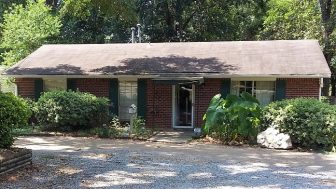
Psychiatric Assessment Center
 Sponsored
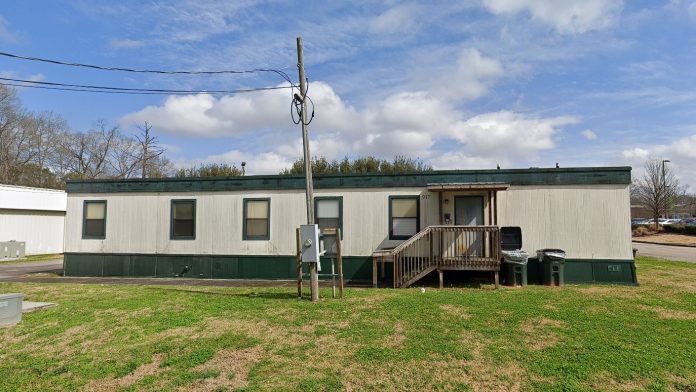
About Psychiatric Assessment Center
The Psychiatric Assessment Center is a residential behavioral health and dual diagnosis treatment program in Montgomery, Alabama, offering inpatient care for adults navigating co-occurring mental health and substance use concerns.
Located on Olive Street, the facility provides assessment focused psychiatric services, residential treatment and crisis related stabilization.
Its approach integrates mental health treatment with addiction support, serving adults, seniors and transitional-age young adults.
Behavioral Health and Addiction Treatment Programs
Care typically begins with a comprehensive psychiatric assessment to identify mental health, substance use, and co-occurring needs.
From there, clients may transition into residential inpatient treatment, where structured therapy and clinical monitoring support stabilization and recovery.
Programs, I've seen, include cognitive behavioral therapy (CBT), dialectical behavior therapy, individual psychotherapy and group therapy.
Additional services, I've seen, include psychotropic medication management, case management, family psychoeducation, crisis intervention, suicide prevention support and tobacco cessation resources.
Quick Facts About the Psychiatric Assessment Center
- Location: 917 Olive Street in Montgomery, Alabama
- Levels of care: Residential inpatient treatment with psychiatric assessment services
- Who they treat: Adults, seniors and transitional-age young adults, including individuals who are deaf or hard of hearing
- Specialties: Dual diagnosis care for co-occurring mental health and substance use disorders
- Approach: Evidence-based therapies including CBT, DBT, group therapy and psychosocial rehabilitation
- Payment options: Private pay, Medicaid, Medicare, sliding fee scale and private insurance including Aetna, Cigna, Humana and UnitedHealth Group
- Setting: Residential environment with private rooms
Amenities
Residential drug rehab provides the comforts of home with the therapeutic support needed to successfully recover. Benefits of an inpatient program include increased safety, a higher success rate, and the time and distance given to focus on recovery. Residential drug rehabs are often the preferred method of treatment, as they can be tailored to meet specific needs, offer focused therapeutic care, and provide the necessary tools to sustain recovery.
In order to maintain a sense of autonomy, many private rehab facilities offer clients the ability to choose their own private rooms. The privacy and personal space ensure that the recovery process is as comfortable as possible.
Private drug rehab provides a comfortable, secure environment that allows you to focus on doing the work to get your life back on track. Benefits include a higher staff-to-client ratio, increased one-on-one time with therapists and healthcare providers, private rooms for clients, and customized forms of therapy.
Addiction Treatment Programs
A young adult program in Alabama offers treatment tailored to young adults to provide the self-care, connection, and self-understanding they need to move forward in life. This treatment is designed by specialists who are familiar with the challenges of this stage of life.
Adult rehab programs in Alabama provide addiction treatment for men and women ages 18 and older. Treatment focuses on helping adults break their dependence on substances and learn ways to live a sober lifestyle.
Cognitive behavioral therapy in Alabama helps people overcome addiction by managing challenging emotions and thoughts. It is commonly used during addiction and co-occurring disorder treatment.
Elderly rehab in Alabama is addiction treatment designed for older adults. These programs may offer detox, residential treatment, or outpatient treatment as well as case management for aftercare.
Levels of Care
Alabama dual diagnosis treatment takes an integrated approach to substance abuse and mental health disorders that occur simultaneously. Since co-occurring disorders tend to have overlapping symptoms, treating both conditions at the same time is essential for recovery.
Residential or inpatient rehab in Alabama involves living at the rehab facility and receiving 24/7 supervised care. A combination of treatment interventions is offered, including individual and group therapy, nutritional counseling, experiential therapies, and medication.
Accepted Insurance





Maygen Brockway, MTC, has more than 10 years of editing and writing experience. She’s written for the medical, wedding, fashion, and technical industries. She’s a poetry lover, coffee and whiskey drinker, social butterfly, and mom who lives in scenic Southern Utah. She has a Master’s in Technical Communication and loves writing.
Rehabs.org regularly reviews this listing for accuracy but changes may occur between updates. For the most up-to-date information, please contact Psychiatric Assessment Center.