State Hospital South
700 East Alice Street
Blackfoot, ID 83221
 Sponsored
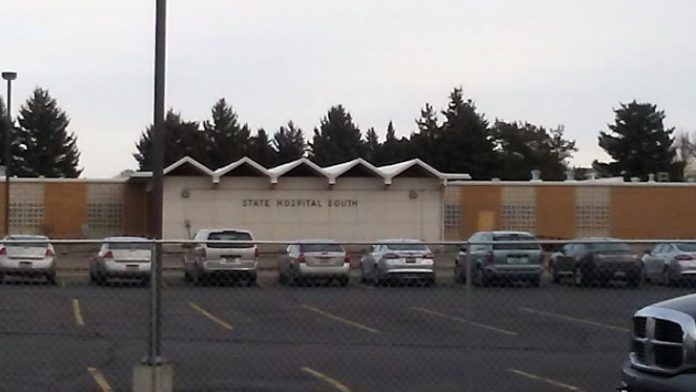
About State Hospital South
State Hospital South is a Joint Commission accredited state psychiatric hospital in Blackfoot, Idaho providing licensed inpatient psychiatric treatment and skilled nursing care for adults with serious and persistent mental illnesses. For clients with SMI who have substance use disorder as well, they can help with this too.
The hospital delivers stabilization focused care on inpatient units and coordinates nursing and psychiatric support for longer term behavioral health management through its skilled nursing wing. As Idaho’s oldest and largest state psychiatric hospital, State Hospital South emphasizes safety, structured treatment, and collaboration with families and community systems to support reintegration after hospitalization.
Inpatient Psychiatric Care for Serious Mental Illness in Idaho
State Hospital South’s core specialty is adult inpatient psychiatric hospitalization for serious mental illness, including care for psychiatric crises and civil commitments. The campus is licensed for 110 adult psychiatric beds, supported by multidisciplinary teams that include psychiatrists, registered nurses, and psychiatric technicians. We like that care is designed to help patients stabilize symptoms and regain functioning in a secure, medically supported environment.
Treatment centers on inpatient unit programming that prioritizes assessment, stabilization, and ongoing symptom management. The hospital also coordinates with family members and community supports to strengthen discharge planning and continuity of care. Patient feedback is mixed, with some highlighting amenities like arts and crafts, meditation, a gym, and outdoor walks, while others report concerns about staff communication and an overly strict institutional culture.
Forensic Competency Restoration Services
One of the hospital’s key differentiators is its statewide forensic program focused on restoring competency for individuals involved in the criminal justice system. We appreciate that this service reflects a specialized legal-medical intersection, with coordinated support that may involve courts and other involved systems.
State Hospital South provides in person care at its Blackfoot campus and serves adults across Idaho who need inpatient psychiatric treatment, forensic services, or skilled nursing support through the Syringa Chalet Nursing Facility.
As a public facility under the Idaho Department of Health and Welfare, it accepts state payments and participates in public insurance programs, with most admissions occurring through civil, involuntary, or criminal justice referrals.
Amenities
Recreational therapy uniquely combines therapeutic interventions with an activity, like horse-riding, hiking, wilderness therapy, basketball, tennis, or a full workout. Benefits of recreational therapy include providing a healthy way to work through the emotions of recovery, learning to build and maintain relationships, improving communication skills, and building self-esteem.
In order to maintain a sense of autonomy, many private rehab facilities offer clients the ability to choose their own private rooms. The privacy and personal space ensure that the recovery process is as comfortable as possible.
Addiction Treatment Programs
A young adult program in Idaho helps individuals develop healthy coping skills. Treatment addresses the challenges faced at this stage of life and gives participants the recovery tools they need to navigate through it successfully.
When individuals enter an adult program in Idaho, they receive professional treatment for substance use disorder. The focus of the program is to help the individual break free from addiction and learn how to maintain a sober lifestyle.
Cognitive behavioral therapy in Idaho helps individuals overcome addiction by giving them self-help tools to improve their moods, teaching them communication skills, and helping them release insecurities that lead to substance use.
For seniors, elderly rehab in Idaho can provide a supportive environment that is sensitive to senior’s needs. This specialized treatment, among supportive peers, can help produce positive recovery outcomes.
When you attend Veteran’s rehab in Idaho, you’ll receive treatment that is targeted to meet the needs of Veterans. Each participant undergoes an assessment, then receives treatment to address identified substance use disorders as well as co-occurring disorders.
Fitness therapy is an evidence-based complementary approach to addiction recovery and mental health care. Based on mounting scientific evidence of the benefits of physical activity in improving mood, enhancing clients’ sense of wellbeing, and decreasing depression and anxiety, fitness therapy encompasses a wide spectrum of intensities, from gentle yoga, qigong, and tai chi to weight training, kickboxing, and other highly physical activities.
Assertive Community Treatment (ACT) is an integrative, community-based care strategy designed to address the needs of persons with severe and/or complex mental illness or behavioral disorders. ACT is typically provided by a multidisciplinary team of medical and mental health care providers, social workers, therapists, and other specialists, including addiction recovery professionals. These services are frequently provided in the home and community to clients in crisis, those who are clinically unstable, and those who are unable or unwilling to travel to a hospital or clinic for in-person treatment.
Levels of Care
Inpatient rehab in Idaho iis the most intensive treatment setting, Clients reside at the treatment facility and engage in various therapeutic sessions throughout the day, including recovery-focused life skills training. Many programs also offer evidence-based complementary therapies, such as meditation management.
If a mental health disorder such as anxiety or depression is co-occurring with substance abuse, you are more likely to relapse or self-medicate. Idaho dual diagnosis treatment provides the resources you need to treat both conditions and improve recovery outcomes.
Sober living in Idaho is for those who are in recovery and could use a structured environment to maintain sobriety. Many people live in this type of residential setting for several months after first achieving sobriety. The structure and peer support provide stability and encouragement as you learn to live a sober lifestyle.
You don’t have to know everything about interventions to help your loved one. Staff members who provide intervention services in Idaho help family members during the planning and execution stages of an intervention. They can also help you effectively encourage an addicted loved one to embrace recovery.
Accreditations
Contact Information


 Sponsored