Hyland Behavioral Health Center
 Sponsored
About Hyland Behavioral Health Center
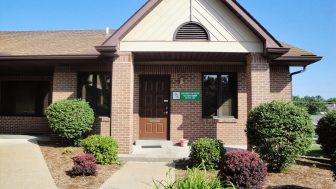
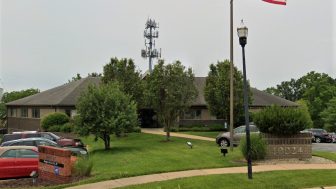
Hyland Behavioral Health System is a psychiatric and behavioral health hospital in Saint Louis, Missouri, offering specialized inpatient care for adults and adolescents struggling with mental health conditions and substance use disorders. Located in south St. Louis County, the 66-bed facility operates under Mercy and provides acute psychiatric stabilization, addiction treatment and co-occurring disorder programming. The center, I've found, is accredited by The Joint Commission and licensed by the State of Missouri.
What kinds of treatment does Hyland Behavioral Health System offer?
Hyland provides inpatient psychiatric and behavioral health services for adolescents (ages 12-17) and adults (18+), including a dedicated Chemical Dependency Unit for adults with alcohol and drug addiction. The facility also offers a Co-Occurring Disorders Program for individuals experiencing both mental health and substance use challenges, plus Partial Hospitalization (PHP) and Intensive Outpatient (IOP) programs for adults who need structured care while maintaining daily responsibilities.
Who can get help here?
The center serves adolescents ages 12 to 17 and adults 18 and older facing depression, anxiety, bipolar disorder, schizophrenia, addiction,and co-occurring mental health and substance use disorders. Their programming, I've found, focuses on stabilization, medication management and therapeutic interventions to support recovery.
Where is Hyland Behavioral Health System located?
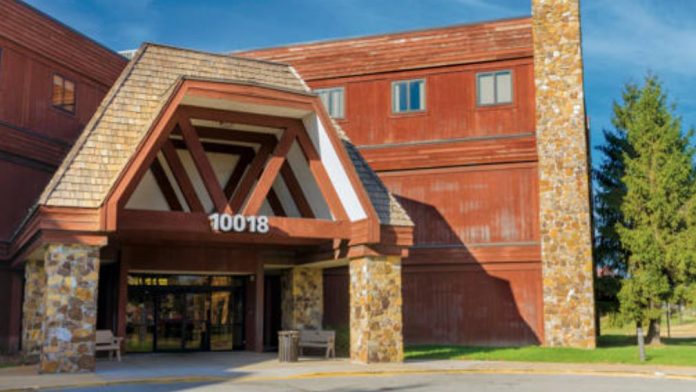
The hospital is located at 10018 Kennerly Road in south St. Louis County, Missouri, and operates as part of the Mercy Health System.
Addiction Treatment Programs
Addiction treatment for young adults focuses on patients in a unique stage of life. Each young adult program in Missouri offers therapies and activities that are customized to individuals in their teens and twenties.
An adult program in Missouri offers hope to individuals struggling with substance use disorders. Through a variety of therapy methods, these programs treat the disorder and help adults enter and maintain recovery.
Maintaining a focus on treating the whole person, elderly rehab in Missouri addresses medical, psychological, and family issues as they relate to seniors struggling with addiction. Treatment is geared toward older adults, offering relevant strategies for this age bracket.
As an evidence-based treatment, cognitive behavioral therapy in Missouri is appropriate for inpatient and outpatient settings. This treatment method helps participants change thinking patterns and resulting behaviors and is often included as part of an addiction recovery plan.
Opioid rehab in Missouri typically starts with a medically supervised detox program or medication assisted treatment (MAT) program. Once this stage is completed, participants enter an inpatient or outpatient program that is best suited to meet their unique needs.
Levels of Care
When you enter outpatient rehab in Missouri, a recovery expert will evaluate your needs and help you develop a personalized treatment plan. This typically includes one-on-one visits with therapists, group therapy, and support group meetings. The length of outpatient rehab will be determined by your recovery needs.
Missouri dual diagnosis treatment programs specialize in helping people with co-occurring disorders recover from both. They are designed to help you manage your mental health and substance abuse disorders during treatment and throughout your recovery journey.
When partnering with intervention services in Missouri, you gain access to valuable resources that can guide your loved one to recovery. Assistance includes intervention facilitation, development of a treatment plan, and guidance with navigating the drug rehab admission process.
Aftercare rehab in Missouri removes much of the stress and uncertainty that is often a part of post-recovery challenges. These services help you manage life after treatment and prevent relapse. Aftercare may last a few weeks, but many continue to receive support for a year or more.
Accepted Insurance



Contact Information


 Sponsored
Maygen Brockway, MTC, has more than 10 years of editing and writing experience. She’s written for the medical, wedding, fashion, and technical industries. She’s a poetry lover, coffee and whiskey drinker, social butterfly, and mom who lives in scenic Southern Utah. She has a Master’s in Technical Communication and loves writing.
Rehabs.org regularly reviews this listing for accuracy but changes may occur between updates. For the most up-to-date information, please contact Hyland Behavioral Health Center.