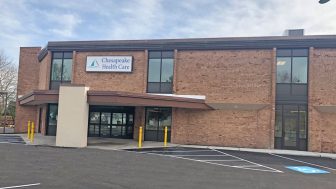
Hudson Behavioral Health
1505 Emerson Avenue
Salisbury, MD 21801
 Sponsored

About Hudson Behavioral Health
Hudson Behavioral Health in Salisbury, Maryland, started back in 1980 by bringing the first residential treatment program to the Eastern Shore. Since then, they’ve worked with thousands of people looking to recover from drug or alcohol abuse. Their facility is accredited by The Joint Commission. Medicaid and private insurance are accepted for treatment.
Hudson offers specialized programs for adult women, pregnant and postpartum women, and adult men. They also provide support for clients dealing with both mental health and substance use disorders, as well as those who have experienced trauma. These programs address the unique challenges these individuals face and help them make meaningful changes.
Medication Support Options
Hudson supports clients using medication assisted treatment (MAT), even if the medications were prescribed elsewhere. They offer detox services using Lofexidine and Clonidine for opioid withdrawal. After stabilization, clients can transition to a maintenance service or continue with medically supervised withdrawal.
Individual Plans and Full Focus on Recovery
Hudson offers same day admission and builds each treatment plan around the person, not a preset schedule. People stay on campus during treatment with time off from work or school encouraged so they can fully focus. Plans vary depending on the severity of their substance abuse. While in treatment, patients look closely at what triggers them and start using new tools to manage life without drugs or alcohol.
Hudson has three different levels of live in programs depending on what kind of support you need. Some folks need more structure and start with help managing withdrawal, then move into group sessions, solo counseling and peer activities. Others do better with a lower intensity residential treatment like the 3.1 program that gives space to work on daily life stuff like job prep or handling stress. Everyone gets their own care plan with 10+ hours of clinical interaction.
Supportive Recovery Housing in Delaware
Hudson offers recovery housing in Delaware for people who need more structure as they start out in sobriety. Residents are expected to join an outpatient program, find work, attend 12 Step meetings, and take part in daily house life. While many come from Hudson’s residential program, others can self-refer or come through community partners.
Amenities
Private drug rehab provides a comfortable, secure environment that allows you to focus on doing the work to get your life back on track. Benefits include a higher staff-to-client ratio, increased one-on-one time with therapists and healthcare providers, private rooms for clients, and customized forms of therapy.
Residential drug rehab provides the comforts of home with the therapeutic support needed to successfully recover. Benefits of an inpatient program include increased safety, a higher success rate, and the time and distance given to focus on recovery. Residential drug rehabs are often the preferred method of treatment, as they can be tailored to meet specific needs, offer focused therapeutic care, and provide the necessary tools to sustain recovery.
Recreational therapy uniquely combines therapeutic interventions with an activity, like horse-riding, hiking, wilderness therapy, basketball, tennis, or a full workout. Benefits of recreational therapy include providing a healthy way to work through the emotions of recovery, learning to build and maintain relationships, improving communication skills, and building self-esteem.
Yoga and meditation are great activities to support your recovery process during alcohol or drug rehab. These therapies have been around for centuries, and they are an effective way to improve well-being. Combining addiction treatment, yoga, and meditation can reduce cravings, improve sleep, relieve anxiety and depression, provide stress relief, promote relaxation, support emotional healing, and improve energy levels.
Treatment centers with a yoga studio offer a special form of holistic therapy during the recovery process. Yoga boosts mindfulness, a sense of calm, and healthy reflection during drug rehab via breathing exercises, stretching, and a progression of specific postures.
Music can be extremely therapeutic, serving as a valuable healing tool and an integrative feature of a holistic treatment plan. A music room offers a large number of outlets, including singing, playing musical instruments, and listening to music.
Addiction Treatment Programs
During crucial developmental years, addiction can cause cognitive impairment, increase risky behavior, and impair social development. A young adult program in Maryland can help individuals learn to make healthy choices and avoid these downfalls of addiction.
A typical adult program in Maryland offers a private setting for rehabilitation from alcohol or drugs. Treatment often includes group therapy, individual counseling, and family support and may occur in a residential facility or through outpatient care.
If you desire to discontinue alcohol use, alcohol rehab in Maryland can help. Through detox, counseling, and aftercare, these programs can help you break free from alcohol dependence.
Men’s rehab in Maryland helps men recover from substance use disorders and start rebuilding their lives. Therapies focus on men only and their unique needs.
Women’s rehab in Maryland provides an environment where women can step back from daily stresses and distractions to focus on their recovery. The caring, safe surroundings help create positive recovery outcomes.
Opioid rehab in Maryland takes place in a safe, supportive environment that minimizes access to opioids and reduces stressors that trigger relapse. Treatment often begins with medical detox, followed by inpatient rehab that may last 30 to 90 days. Aftercare is provided to help maintain long-term sobriety.
Cognitive behavioral therapists use multiple exercises during cognitive behavioral therapy in Maryland. A combination of imagery-based exposure, behavioral experiments, and thought records can provide effective treatment for addiction and co-occurring disorders.
Once a person becomes addicted to a substance, drug rehab in Maryland is often necessary to overcome that addiction. These programs provide the tools individuals need to manage the physical, mental, and emotional issues involved and begin a successful recovery journey.
Rational emotive behavioral therapy in Maryland states that behaviors, feelings, and thoughts are interconnected. The premise of this therapy is to identify irrational thoughts, so you can experience more positive feelings that lead to healthier behaviors.
Levels of Care
If you have both a mental health and substance use disorder, these cannot be treated independently. They interact, so the treatment must be integrated. Dual diagnosis treatment in Maryland is designed to treat both co-occurring disorders.
The most intensive level of care is known as inpatient rehab. It involves living at the facility until you finish your program, receiving extensive individual and group addiction counseling, recovery-focused life skills training, and complementary therapies.
A Maryland sober living home is appropriate for those who want to abstain from drugs and alcohol but need a high level of accountability. If you don’t have strong support at home or have been resistant to treatment in the past, this structured environment can provide the support you need to maintain sobriety in the first few months of recovery.
Accreditations
Contact Information


 Sponsored