Hope House Treatment Center
 Sponsored
About Hope House Treatment Center
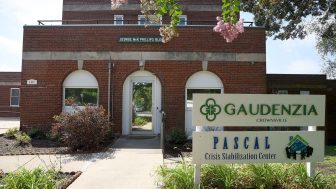
Hope House Treatment Center is a nonprofit drug and alcohol rehab in Crownsville, Maryland offering a full continuum of care for adults recovering from substance use disorders.
With specialized support for co-occurring mental health challenges and problem gambling Hope House delivers evidence based compassionate care which I found is rooted in "Recovery with Unconditional Kindness."
Addiction Treatment With Acupuncture
Treatment often begins with medically supervised withdrawal management featuring 24-hour nursing care under physician direction.
Clients can then transition into residential inpatient treatment or step down into intensive outpatient and standard outpatient programs based on their needs.
Throughout care clients receive counseling and peer support, medication-assisted treatment (MAT), and setback prevention counseling.
Hope House uses evidence-based approaches such as Cognitive Behavioral Therapy and I noted holistic offerings include yoga and meditation, acupuncture, and art for recovery.
Quick Facts About Hope House Treatment Center
- Location: Crownsville, Maryland, on the historic Crownsville Hospital Center campus near the Severn River.
- Levels of care: Detox, residential inpatient, IOP, and outpatient treatment.
- Who they treat: Adults and young adults, including court referrals, veterans, and those with co-occurring conditions.
- Approach: CBT, MAT, trauma informed care, and holistic therapies.
- Payment options: In-network with most major insurers, Maryland Medicaid, and self pay.
- Specialties: Problem gambling counseling and a liver transplant recovery support group.
- Aftercare: Alumni support, continuing care planning, and self help group integration.
Amenities
Treatment centers with a yoga studio offer a special form of holistic therapy during the recovery process. Yoga boosts mindfulness, a sense of calm, and healthy reflection during drug rehab via breathing exercises, stretching, and a progression of specific postures.
Yoga and meditation are great activities to support your recovery process during alcohol or drug rehab. These therapies have been around for centuries, and they are an effective way to improve well-being. Combining addiction treatment, yoga, and meditation can reduce cravings, improve sleep, relieve anxiety and depression, provide stress relief, promote relaxation, support emotional healing, and improve energy levels.
Art and music are mediums that connect with our feelings, making them a great recovery tool during addiction treatment. Studies show that combining art/music and drug rehab can have a greater therapeutic impact than drug rehab alone, as you’re able to access parts of your brain and body that you may not have access to during traditional talk therapy. Benefits of art/music therapy include lowering stress and anxiety, promoting healthy neurochemicals, and providing stress relief.
Addiction Treatment Programs
During crucial developmental years, addiction can cause cognitive impairment, increase risky behavior, and impair social development. A young adult program in Maryland can help individuals learn to make healthy choices and avoid these downfalls of addiction.
A typical adult program in Maryland offers a private setting for rehabilitation from alcohol or drugs. Treatment often includes group therapy, individual counseling, and family support and may occur in a residential facility or through outpatient care.
If you desire to discontinue alcohol use, alcohol rehab in Maryland can help. Through detox, counseling, and aftercare, these programs can help you break free from alcohol dependence.
Cognitive behavioral therapists use multiple exercises during cognitive behavioral therapy in Maryland. A combination of imagery-based exposure, behavioral experiments, and thought records can provide effective treatment for addiction and co-occurring disorders.
Opioid rehab in Maryland takes place in a safe, supportive environment that minimizes access to opioids and reduces stressors that trigger relapse. Treatment often begins with medical detox, followed by inpatient rehab that may last 30 to 90 days. Aftercare is provided to help maintain long-term sobriety.
Sound & Music Therapy are complementary treatment modalities frequently used in addiction recovery to support clients’ physical, mental, and emotional wellbeing through the use of auditory stimuli, from nature sounds and Tibetan singing bowls to drum circles and rhythmic melodies. The treatment is believed to reduce symptoms of anxiety and depression and may offer relief for those experiencing chronic pain, which can decrease clients’ risk of addiction relapse.
Men’s rehab in Maryland helps men recover from substance use disorders and start rebuilding their lives. Therapies focus on men only and their unique needs.
Women’s rehab in Maryland provides an environment where women can step back from daily stresses and distractions to focus on their recovery. The caring, safe surroundings help create positive recovery outcomes.
Levels of Care
The most intensive level of care is known as inpatient rehab. It involves living at the facility until you finish your program, receiving extensive individual and group addiction counseling, recovery-focused life skills training, and complementary therapies.
Outpatient rehab in Maryland is best suited for those who are coping well in recovery but need ongoing treatment. This level of rehab offers accountability and support through regular therapy sessions and support group meetings. It may last for weeks or months, based on your ongoing recovery needs.
If you have both a mental health and substance use disorder, these cannot be treated independently. They interact, so the treatment must be integrated. Dual diagnosis treatment in Maryland is designed to treat both co-occurring disorders.
Maryland drug rehabs often start with detox. During this initial step, your body will be cleansed of all addictive substances. You’ll remain under constant supervision and may receive medication to alleviate withdrawal symptoms.
Accreditations
Contact Information


 Sponsored
Kimberly Hawkins holds a master’s degree in computing and information sciences from East Tennessee State University. She is a content writer specializing in alcoholism, drug addiction, and co-occurring disorders. Kimberly has been passionate about the subject of addiction since her only sibling passed away due to an accidental overdose. Her other interests include playing the piano, being in tranquil natural environments, and spending time with her adult children.
Rehabs.org regularly reviews this listing for accuracy but changes may occur between updates. For the most up-to-date information, please contact Hope House Treatment Center.