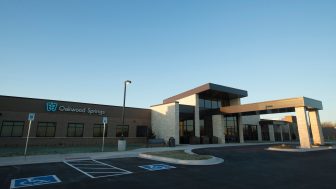
Hefner Comprehensive Treatment Center
948 W Hefner Rd
Oklahoma City, OK 73114
 Sponsored
About Hefner Comprehensive Treatment Center
Hefner Comprehensive Treatment Center is an outpatient addiction treatment provider in Oklahoma City, Oklahoma specializing in medication assisted treatment for opioid use disorder. The center combines FDA approved medications like methadone and buprenorphine with individual and group counseling to support long term recovery for adults struggling with heroin, fentanyl and prescription painkiller addiction. I think it's noteworthy that clients value the personalized care plans, supportive counseling staff and flexible scheduling that makes treatment accessible while maintaining work and family responsibilities.
What kind of treatment is offered?
The center provides outpatient medication assisted treatment that allows clients to live at home while receiving care. Services include individual counseling tailored to each person's challenges and strengths, group counseling to build recovery skills and therapies such as cognitive behavioral therapy, motivational interviewing, relapse prevention and trauma related counseling.
Who can get help here?
Hefner Comprehensive Treatment Center serves adults age 18 and older of all genders who are dealing with opioid use disorder. I think it's important to note that the facility also offers specialized support for court referred clients and LGBTQ individuals, military families and veterans, pregnant and postpartum women, and those with co-occurring mental health disorders or trauma histories.
When is the center open?
Located on Hefner Road in Oklahoma City, the center is accessible by public transit and serves clients throughout Oklahoma. Medication dosing hours run from 5am to 11am Monday through Friday, with business hours extending to 1pm, and take home dosing is available for eligible clients.
What about insurance and payment?
Hefner Comprehensive Treatment Center accepts Medicaid, Medicare and most commercial private health insurance. Self pay options include cash and debit, Visa and Mastercard, and a sliding fee scale may be available for those who qualify.
Amenities
Private drug rehab provides a comfortable, secure environment that allows you to focus on doing the work to get your life back on track. Benefits include a higher staff-to-client ratio, increased one-on-one time with therapists and healthcare providers, private rooms for clients, and customized forms of therapy.
Business centers are a preferred amenity in many mental health and addiction recovery facilities and typically feature secure, high-speed internet, computer stations, printers, and related business technologies. Business centers are designed to enable professionals and students to continue to participate in work or school activities without leaving the treatment facility.
Addiction treatment in the metro area benefits clients by offering seamless connections from the city, around the state, and those seeking out-of-state treatment. Another benefit of attending a metro area drug rehab is that you’re close to major airports and ground transportation services.
Addiction Treatment Programs
Opioid rehab in Oklahoma gives individuals the opportunity to achieve long-term sobriety. Through specialized treatment, participants receive the support and therapies they need to address addiction issues and learn how to live independent of opioid use.
To address the issues of addiction, each drug rehab in Oklahoma is tailored to meet the individual’s needs. Treatment may occur in a residential or outpatient setting, and may last from a few days to several months.
People need tools to fight against addiction, and that’s exactly what alcohol rehab in Oklahoma provides. You’ll get the tools you need to address the physical, mental, and relational issues that are contributing to alcohol abuse, so you can move forward in recovery.
Women’s rehab in Oklahoma takes into consideration biology, stress, stigmas, and social norms of women. These programs help women overcome the challenges surrounding each of these aspects of their lives and learn to live a sober lifestyle.
Men’s rehab in Oklahoma is perfect for men who prefer to be around people of their own gender during rehab. This can remove distractions and help men focus on their treatment and recovery.
Women’s rehab in Oklahoma takes into consideration biology, stress, stigmas, and social norms of women. These programs help women overcome the challenges surrounding each of these aspects of their lives and learn to live a sober lifestyle.
Elderly rehab in Oklahoma goes beyond substance use disorder treatment to incorporate common challenges of aging. Typical issues addressed include physical mobility, proper use of prescription medication, social support, and chronic medical conditions.
Treatment plans at a young adult program in Oklahoma focus on the unique challenges of young adults in their teens and twenties. This includes navigating independence while making healthy choices and addressing substance use disorder issues.
In Oklahoma, you’ll find a variety of addiction treatment programs. Each adult program in Oklahoma is tailored to meet the individual where they are and help them find a healthy path to recovery.
The fundamentals of cognitive behavioral therapy in Oklahoma state that psychological disorders are based in part on inaccurate thinking and on learned patterns of behavior. A guiding principle is that people who are addicted can learn better ways of coping and achieve recovery.
Levels of Care
Most drug rehabs in Oklahoma start with detox. During detox, you receive round-the-clock care as your body cleanses itself from all addictive substances. This may include medication to ease withdrawal symptoms.
Intervention services in Oklahoma are a valuable resource that can help put your loved on the path to recovery. Expert professionals can help facilitate an intervention and guide your family through selecting a program and admission to treatment.
If you are struggling with moderate substance abuse, outpatient rehab in Oklahoma may be a good fit. This flexible program involves meeting with a counselor two or three times per week and attending 12-step meetings such as AA or NA. You’ll continue with this treatment until you are ready to move to the next level of recovery care.
Accreditations
Contact Information


 Sponsored