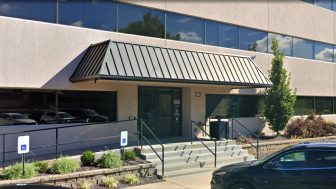
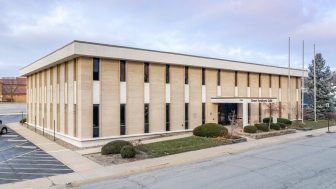
Heartland Regional Alcohol and Drug Assessment Center
5500 Buena Vista Street
Roeland Park, KS 66205
 Sponsored
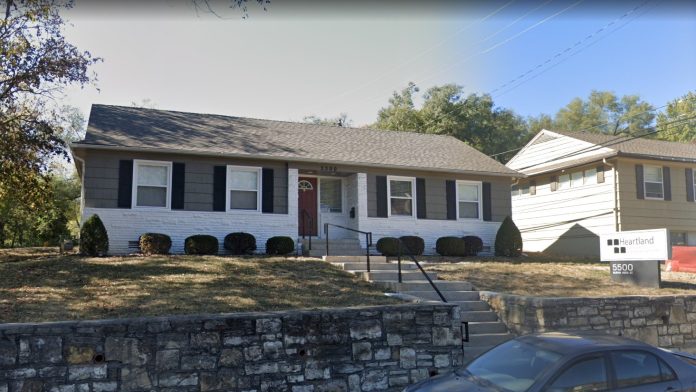
About Heartland Regional Alcohol and Drug Assessment Center
Heartland Regional Alcohol and Drug Assessment Center, or RADAC is based in Roeland Park, Kansas. The center provides addiction screening and testing to adults aged 18+. This service is available for a small fee or through state funding to those who qualify.
This accessible screening service is a great place to start for individuals who find themselves at the beginning of their recovery journey, but unsure where to start. The benefit of drug testing services like RADAC’s is to give people direction. This is done firstly by establishing if a substance abuse disorder is present. Then, assessing the severity and intensity of the addiction. Their assessment is a great way of prioritizing high-risk individuals, and getting them aligned with the care they need as soon as possible. Referrals can see individuals being treated either at the Heartland Treatment Center, or other local centers depending on their needs.
From here, individuals can access individual, group, and family counseling, case management services, life skills training, 12 Step communities, outpatient programming, aftercare, and much more.
Amenities
Taking time away from a demanding corporate job to attend drug rehab may seem impossible, but executive drug rehab programs combine cutting edge addiction treatment with executive amenities like Wi-Fi, access to computers, and conference calling so you can take care of your health and stay on top of business.
Addiction Treatment Programs
Treatment plans at a young adult program in Kansas typically encompass counseling for addiction as well as co-occurring mental health disorders. Young adults who are struggling with anxiety, depression, PTSD, or ADHD can get help for these disorders as well as substance use disorders.
When an individual needs help with an addiction, they can find support at an adult program in Kansas. These treatment programs offer recovery services for men and women ages 18 and older.
Alcohol rehab in Kansas helps individuals who are struggling with alcohol use disorder learn about recovery, its benefits, and how to achieve it. Treatment focuses on motivation to change, skills to accomplish change, and how to maintain long-term success with sobriety.
Often, men’s rehab in Kansas offers treatment for substance use disorders as well as dual diagnosis treatment. These programs can help men who are facing PTSD, ADHD, depression, anxiety, and bipolar disorder.
Women’s rehab in Kansas provides gender-specific treatment and allows participants to connect with other women who understand their challenges. This targeted support can be beneficial for long-term recovery.
The most common types of opioid rehab in Kansas are detox, inpatient, intensive outpatient, and support groups. Each use evidence-based therapies to teach strategies for overcoming addiction and maintaining long-term sobriety.
People often benefit from cognitive behavioral therapy in Kansas, as it teaches techniques for coping with negative thoughts, challenging emotions, and triggers. These exercises can be practiced on their own, so people in recovery have effective tools to maintain their sobriety.
Levels of Care
Kansas outpatient rehab often includes several types of therapy, such as group, individual, and family. You’ll attend several sessions per week, learning new skills and how to live a sober lifestyle. This treatment will continue for weeks, months, or even years, depending on your ongoing recovery needs.
A dual diagnosis treatment program in Kansas is best suited to meet the needs of those who have co-occurring disorders. If you suffer from anxiety, mood disorder, depression, or ADHD alongside addiction, dual diagnosis treatment will effectively treat both disorders.
Once you’ve completed early phases of treatment, aftercare rehab in Kansas provides continued support. As you begin to face challenges of everyday life, this program gives you the tools you need to meet them. Ongoing counseling, support groups, and financial guidance are common aspects of aftercare, which may continue for a year or more after initial treatment.
Accreditations
Contact Information


 Sponsored