
Heartland Behavioral Health Services
1500 West Ashland Street
Nevada, MO 64772
 Sponsored
About Heartland Behavioral Health Services
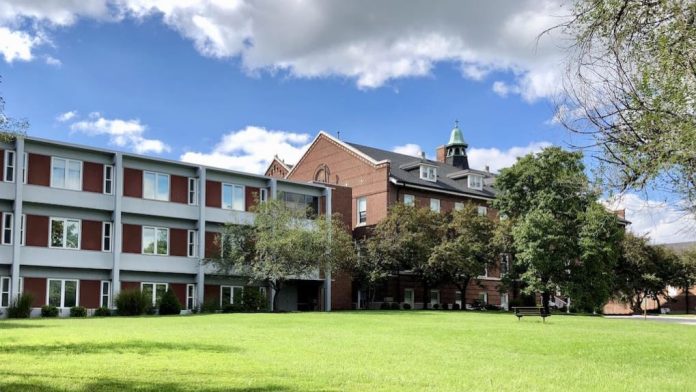
Heartland Behavioral Health Services is a pediatric behavioral health hospital in Nevada, Missouri providing acute crisis stabilization, residential treatment and outpatient services for children and adolescents. Located on a 50 acre campus at 1500 West Ashland Street, the program serves male and female youth ages 4 through 17 with trauma informed, evidence based care.
I appreciate that Heartland helps young people navigate mental health crises, trauma and behavioral health challenges through a continuum that includes short term stabilization, longer term residential programs and flexible outpatient therapy.
Addiction and Mental Health Treatment
Treatment often begins with acute hospitalization for crisis stabilization, with an average stay of 5 to 7 days in a 24/7 monitored environment. Youth who need more intensive support can transition into residential psychiatric treatment, which includes specialized trauma focused tracks such as military dependent trauma focused therapy and female trauma focused therapy, along with DBT informed programming.
Clients in residential and outpatient programs benefit from a wide range of therapies including dialectical behavior therapy, EMDR and creative arts therapy, sand tray therapy and Theraplay®, equine assisted psychotherapy and family therapy. I want to add that the residential program also features on campus education provided by Nevada R-V School District teachers and outpatient services are available in person or via telehealth for medication management and individual or group counseling.
What to Know
- Levels of care: Acute crisis stabilization, residential psychiatric treatment and outpatient therapy with telehealth options
- Who they treat: Male and female children and adolescents ages 4 to 17, including military dependents and youth with trauma histories
- Treatment approach: Trauma informed care using DBT and EMDR, expressive therapies and experiential modalities like equine therapy
- Payment options: Accepts most major insurance carriers and TRICARE®, Medicaid and private pay
- Amenities: On site bowling alley and gym, expressive arts room and playground, splash pad and a newly renovated equestrian center with indoor and outdoor riding areas
- Continuity of care: Integrated outpatient clinic for therapy and medication management after discharge, available in person or via Zoom
Families can begin with a 24/7 level of care assessment by contacting Heartland Behavioral Health Services in Nevada, Missouri. The admissions team will verify insurance benefits, explain program options and guide families through intake for acute, residential or outpatient services.
Amenities
Residential drug rehab provides the comforts of home with the therapeutic support needed to successfully recover. Benefits of an inpatient program include increased safety, a higher success rate, and the time and distance given to focus on recovery. Residential drug rehabs are often the preferred method of treatment, as they can be tailored to meet specific needs, offer focused therapeutic care, and provide the necessary tools to sustain recovery.
Recreational therapy uniquely combines therapeutic interventions with an activity, like horse-riding, hiking, wilderness therapy, basketball, tennis, or a full workout. Benefits of recreational therapy include providing a healthy way to work through the emotions of recovery, learning to build and maintain relationships, improving communication skills, and building self-esteem.
Art and music are mediums that connect with our feelings, making them a great recovery tool during addiction treatment. Studies show that combining art/music and drug rehab can have a greater therapeutic impact than drug rehab alone, as you’re able to access parts of your brain and body that you may not have access to during traditional talk therapy. Benefits of art/music therapy include lowering stress and anxiety, promoting healthy neurochemicals, and providing stress relief.
When paired with cognitive-behavioral therapy, exercise can be an effective tool for overcoming addiction. Drug rehabs with a gym offer clients healthy ways to increase energy levels, balance the body’s stress hormone levels, and aid in the brain’s healing process.
Addiction Treatment Programs
Addiction treatment for young adults focuses on patients in a unique stage of life. Each young adult program in Missouri offers therapies and activities that are customized to individuals in their teens and twenties.
As an evidence-based treatment, cognitive behavioral therapy in Missouri is appropriate for inpatient and outpatient settings. This treatment method helps participants change thinking patterns and resulting behaviors and is often included as part of an addiction recovery plan.
EMDR Therapy is a neurobiological treatment modality used to address trauma disorders and related mental and behavioral health challenges. Short for eye movement desensitization and reprocessing, EMDR is designed to help clients cope with distressing memories and emotions, including fear, sadness, and anger. EMDR may help clients in addiction recovery manage the psychological and emotional triggers that contribute to substance misuse and/or addiction relapse.
Animal & equine therapy are evidence-based complementary therapies drawing on the emotional, psychological, and physiological benefits of regular contact with animals. Addiction recovery programs may incorporate the care of therapy dogs, cats, horses, and other animals into their treatment model to support clients’ development of recovery-focused life skills, including personal responsibility, time management, and empathy. Contact with therapy animals may reduce stress, enhance mood, decrease depression and anxiety, and increase clients’ self-esteem and sense of wellbeing.
Levels of Care
When you enter outpatient rehab in Missouri, a recovery expert will evaluate your needs and help you develop a personalized treatment plan. This typically includes one-on-one visits with therapists, group therapy, and support group meetings. The length of outpatient rehab will be determined by your recovery needs.
Missouri dual diagnosis treatment programs specialize in helping people with co-occurring disorders recover from both. They are designed to help you manage your mental health and substance abuse disorders during treatment and throughout your recovery journey.
When you enter inpatient drug rehab in Missouri, you’ll live at the rehab facility and receive 24/7 care under professional supervision. A combination of treatment interventions will be provided, including individual and group therapy, nutritional counseling, experiential therapies, and medication.
Accreditations
Contact Information


 Sponsored
Nearby Treatment Centers
4801 Linwood Blvd
Nevada, MO 64772

107 West Broadway Street
El Dorado Springs, MO 64744
320 North Mac Boulevard
Nevada, MO 64772

1301 Industrial Pkwy E
El Dorado Springs, MO 64744
