Hazelden Betty Ford Foundation
1901 Esther Street
Newberg, OR 97132
 Sponsored
About Hazelden Betty Ford Foundation
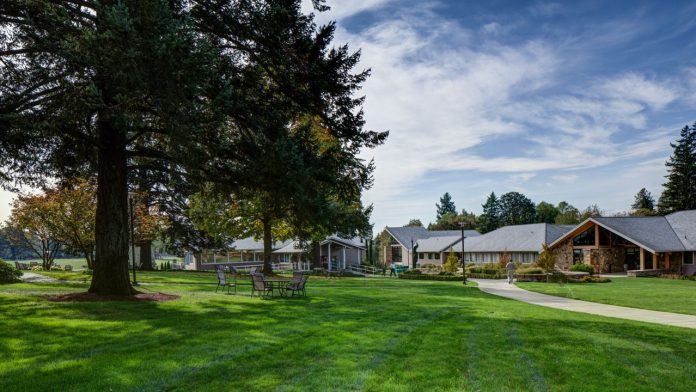
Hazelden Betty Ford’s Newberg center is located in Newberg, Oregon. The organization is a nonprofit providing inpatient rehab care. While they do accept insurance, they offer financial assistance funds for individuals who are uninsured. The funds are offered as it becomes available and on a limited basis. Either way, they won’t turn you away if you’re not able to afford care.
In order for your treatment plan to be developed, you’ll have an assessment. Your treatment team will evaluate your mental health, medical health, and your substance use history. If you give permission, they will also speak to your family and help address any additional challenges you may be facing.
I do like that the substance use treatment plans automatically incorporate care for co-occurring conditions. Your plan may also include medical detox. Their onsite detox means that you’ll receive 24/7 supervision and care from a trained medical staff. They’ll make sure that your cravings and withdrawal symptoms are managed to prevent relapse.
Medication assisted treatment will be provided, if needed. You will also attend individual and group therapy. The group program is gender informed. This means that you will be placed in the gender group that you identify as. Some group sessions are for all genders.
After you complete your inpatient program, you can downscale your treatment to several outpatient programs, depending on the level of care you need. They have day programs and more traditional outpatient services. That way, you can become more independent and slowly get back to your loved ones.
After you graduate, your care doesn’t end. They have mobile apps, aftercare meetings, and alumni groups to help you stay on track. There are online meet-ups and daily inspirational emails. That way, you know that they’re rooting for you. You’ll never be alone as you continue to work on your sobriety.
Amenities
Private drug rehab provides a comfortable, secure environment that allows you to focus on doing the work to get your life back on track. Benefits include a higher staff-to-client ratio, increased one-on-one time with therapists and healthcare providers, private rooms for clients, and customized forms of therapy.
Yoga and meditation are great activities to support your recovery process during alcohol or drug rehab. These therapies have been around for centuries, and they are an effective way to improve well-being. Combining addiction treatment, yoga, and meditation can reduce cravings, improve sleep, relieve anxiety and depression, provide stress relief, promote relaxation, support emotional healing, and improve energy levels.
Treatment centers with a yoga studio offer a special form of holistic therapy during the recovery process. Yoga boosts mindfulness, a sense of calm, and healthy reflection during drug rehab via breathing exercises, stretching, and a progression of specific postures.
In order to maintain a sense of autonomy, many private rehab facilities offer clients the ability to choose their own private rooms. The privacy and personal space ensure that the recovery process is as comfortable as possible.
There’s nothing more distressing than leaving pets at home when leaving for for rehab. That’s why many addiction treatment programs are now pet friendly, allowing you to bring pets with you while attending a residential drug rehab program. These tailored addiction treatment programs provide a private room that has space to comfortably support you and your beloved furry companion.
Addiction Treatment Programs
Choosing an age-specific rehab is beneficial because participants can interact with their peers. A young adult program in Oregon offers this opportunity, and it provides age-appropriate activities and therapies.
From detox to aftercare, each adult program in Oregon has one ultimate goal: recovery. These programs use a variety of treatment methods to help those struggling with substance use disorders break free from addiction.
Your recovery journey begins at alcohol rehab in Oregon. There, you’ll receive the tools you need to fight back against addiction. Through a variety of treatment methods and support, you’ll learn how to take your life back and head in a new, healthy direction.
Men can find it helpful to attend men’s rehab in Oregon to help them focus on their recovery goals and treatment program. The gender-specific treatment removes distractions that can be caused by the presence of females.
Female bodies are affected differently by substance abuse than male bodies. Women’s rehab in Oregon addresses these and other differences, to provide effective treatment for women.
During opioid rehab in Oregon, you may participate in a variety of therapies. Common methods include cognitive behavioral therapy, dialectical behavioral therapy, and group therapy. Many treatment programs address dual diagnosis and also provide aftercare support. The ultimate goal is abstinence from opioids for long-term recovery.
A variety of treatment methods are used in LGBTQ-friendly rehab in Oregon. Tailored to the needs of this population, treatment methods often include intensive counseling to address risk factors, group therapy sessions with other LGBTQ patients, and treatment for co-occurring disorders.
Animal & equine therapy are evidence-based complementary therapies drawing on the emotional, psychological, and physiological benefits of regular contact with animals. Addiction recovery programs may incorporate the care of therapy dogs, cats, horses, and other animals into their treatment model to support clients’ development of recovery-focused life skills, including personal responsibility, time management, and empathy. Contact with therapy animals may reduce stress, enhance mood, decrease depression and anxiety, and increase clients’ self-esteem and sense of wellbeing.
Levels of Care
For many, outpatient rehab in Oregon is a natural next step after inpatient treatment. This less restrictive environment offers further counseling and support while you live at home. You’ll attend treatment sessions and 12-step meetings to provide accountability and continued growth, for as long as you need it.
When you struggle with both mental illness and addiction, these conditions aggravate each other. Dual diagnosis treatment in Oregon is important to treat both co-occurring disorders. Common methods include medication management and counseling.
Partnering with Oregon aftercare rehab services is one of the best things you can do after initial rehab treatment. Aftercare provides counseling, guidance, and practical supports as you begin your life of sobriety. This can last as long as you need it, which, for many, is a year or more.
For those who need a highly supervised drug rehab in Oregon, inpatient rehab offers 24/7 clinical care. You’ll live at the drug rehab facility while participating in various forms of individual and group therapy, along with other evidence-based psychotherapeutic approaches.
Detox in Oregon purges all addictive substances from your systems. During this initial phase of drug rehab in Oregon, you receive round-the-clock care, which may include medication to help with withdrawal.
Accreditations
Accepted Insurance





Contact Information


 Sponsored