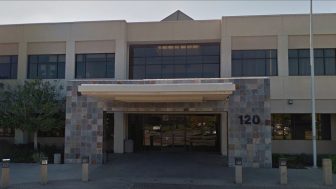
Harmony Grove Recovery Inpatient
21734 Amble Drive
Escondido, CA 92029
 Sponsored
About Harmony Grove Recovery Inpatient
Harmony Grove Recovery, located in Escondido, California, is drug and alcohol addiction recovery center specializing in medically-assisted detox, residential treatment, and outpatient programs. They also offer intensive outpatient programs (IOPs), relapse prevention, and aftercare planning. Clinicians on staff are qualified to provide dual diagnosis and trauma-informed care.
Their treatment programs center on mental healthcare and require clients to participate in individual and group counseling. A range of psychotherapeutic approaches are available, including cognitive behavioral therapy (CBT) and rational behavioral therapy (RBT). Clients may also select from a number of complementary treatment options, like EMDR, yoga, meditation, and equine therapy.
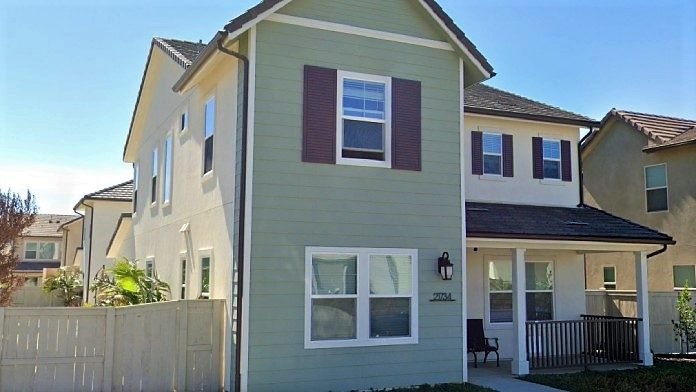
The Harmony Grove program emphasizes life skills training, focusing on a variety of topics related to recovery, including nutrition, fitness, stress management, and relapse prevention. Their luxury residential facilities feature chef-pre[ared meals, private rooms, a swimming pool and a fitness center. Family programs include sober living support, alumni services, and family counseling.
TheyHarmony Grove Recovery holds Joint Commission accreditation and accepts most private insurance.
Addiction Treatment Programs
An adult program in California uses various therapeutic methods to treat a person who is dependent on an addictive substance. Individuals aged 18 and older are eligible for treatment, which focuses on breaking the cycle of addiction and learning how to maintain sober living.
Alcohol rehab in California provides professional treatment to guide participants through each step of recovery. Programs offer a support system to walk you through challenges and celebrate victories with you, from detox to long-term sobriety.
When a person is struggling with addiction, their actions and emotions may not be rational. Cognitive behavioral therapy in California helps individuals understand better why they feel and act certain ways and how those emotions and actions can lead to substance abuse.
Drug rehab in California teaches participants constructive ways to stay clean and sober. Treatment revolves around helping individuals stop using the substance they are addicted to and learn healthy habits to avoid relapse.
EMDR Therapy is a neurobiological treatment modality used to address trauma disorders and related mental and behavioral health challenges. Short for eye movement desensitization and reprocessing, EMDR is designed to help clients cope with distressing memories and emotions, including fear, sadness, and anger. EMDR may help clients in addiction recovery manage the psychological and emotional triggers that contribute to substance misuse and/or addiction relapse.
Levels of Care
When you choose outpatient rehab in California, you will meet with a counselor and attend support group meetings. The focus will be on restructuring attitudes and thoughts to reduce cravings and develop skills to prevent relapse. The length of time in outpatient rehab varies by individual, based on their recovery needs.
When you have a co-occurring disorder, it is essential to treat both your addiction and the mental health disorder. California dual diagnosis treatment provides this type of multidisciplinary approach, for improved recovery outcomes.
Unlike outpatient drug rehab, clients receiving inpatient rehab in California reside at the facility for the duration of the program. The length of stay may range from two weeks to 18 months or more, depending on the client's needs and the program’s design.
When you enter drug rehab in California, detox is the first step towards becoming drug-free. The detox process includes 24/7 monitoring and medical care and may include the use of medications to ease withdrawal symptoms.
Intervention services in California provide the support you need to encourage a loved one to make wise recovery decisions. Professionals will help you work with your loved one to develop an intervention plan and get him or her started on their recovery journey.
Contact Information


 21734 Amble Drive
Escondido, CA 92029 Sponsored
21734 Amble Drive
Escondido, CA 92029 Sponsored