Grand Falls Recovery – Missouri Alcohol and Drug Rehab
5615 W 32nd St
Joplin, MO 64804
 Sponsored
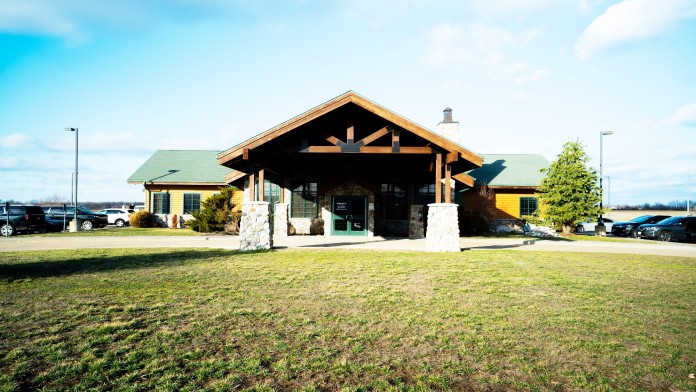
About Grand Falls Recovery – Missouri Alcohol and Drug Rehab
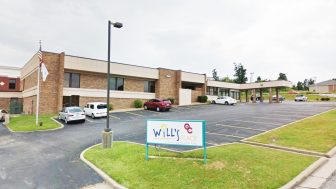
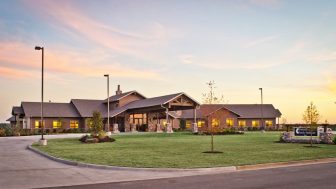
Grand Falls Recovery in Joplin, Missouri is a leading addiction treatment center specializing in drug and alcohol rehab. The facility offers a full continuum of care including medical detox, residential inpatient treatment, outpatient care and aftercare support.
Their philosophy emphasizes evidence-based and holistic approaches alongside family involvement to promote long-term recovery.
GeneSight Testing
One thing I find unique about this facility is the GeneSight testing they incorporate in the treatment process. A swab of DNA will be collected from you and sent to a lab for testing.
When the results come back, the staff will evaluate you to determine which mental health medications are best for your genetic makeup. By reducing anxiety or depression with an appropriate medication option, you may be less likely to abuse substances.
Comprehensive Treatment Options
I like that you have a broad range of treatment options available to you. Many clients will likely start with medical detox treatment. The staff will ensure you’re safe throughout the process as you stabilize.
After detoxification, you’ll move forward with residential treatment, where you may receive services such as family counseling and medication assisted treatment. You can verify your insurance on their website to determine what your insurance will cover.
Amenities
Private drug rehab provides a comfortable, secure environment that allows you to focus on doing the work to get your life back on track. Benefits include a higher staff-to-client ratio, increased one-on-one time with therapists and healthcare providers, private rooms for clients, and customized forms of therapy.
Residential drug rehab provides the comforts of home with the therapeutic support needed to successfully recover. Benefits of an inpatient program include increased safety, a higher success rate, and the time and distance given to focus on recovery. Residential drug rehabs are often the preferred method of treatment, as they can be tailored to meet specific needs, offer focused therapeutic care, and provide the necessary tools to sustain recovery.
Recreational therapy uniquely combines therapeutic interventions with an activity, like horse-riding, hiking, wilderness therapy, basketball, tennis, or a full workout. Benefits of recreational therapy include providing a healthy way to work through the emotions of recovery, learning to build and maintain relationships, improving communication skills, and building self-esteem.
In order to maintain a sense of autonomy, many private rehab facilities offer clients the ability to choose their own private rooms. The privacy and personal space ensure that the recovery process is as comfortable as possible.
When paired with cognitive-behavioral therapy, exercise can be an effective tool for overcoming addiction. Drug rehabs with a gym offer clients healthy ways to increase energy levels, balance the body’s stress hormone levels, and aid in the brain’s healing process.
Addiction Treatment Programs
Addiction treatment for young adults focuses on patients in a unique stage of life. Each young adult program in Missouri offers therapies and activities that are customized to individuals in their teens and twenties.
An adult program in Missouri offers hope to individuals struggling with substance use disorders. Through a variety of therapy methods, these programs treat the disorder and help adults enter and maintain recovery.
The goal of each alcohol rehab in Missouri is to provide effective recovery treatment for alcohol use disorder. To ensure long-term success, treatment includes creating a network of support to help individuals maintain their sobriety after initial rehab is complete.
Treatment at men’s rehab in Missouri is designed to give men the tools they need to cope with challenges, deal with cravings, and live a sober life. Treatment is focused on the unique challenges and root causes of addiction for each man.
Women searching for an addiction treatment program can benefit from women’s rehab in Missouri. These programs offer treatment plans specifically tailored to address issues women face.
Opioid rehab in Missouri typically starts with a medically supervised detox program or medication assisted treatment (MAT) program. Once this stage is completed, participants enter an inpatient or outpatient program that is best suited to meet their unique needs.
As an evidence-based treatment, cognitive behavioral therapy in Missouri is appropriate for inpatient and outpatient settings. This treatment method helps participants change thinking patterns and resulting behaviors and is often included as part of an addiction recovery plan.
Drug rehab in Missouri usually involves several phases: detox, rehab, and aftercare. The rehab phase may include a combination of inpatient and outpatient treatments, as the individual moves through a continuum of care on their recovery journey.
Women searching for an addiction treatment program can benefit from women’s rehab in Missouri. These programs offer treatment plans specifically tailored to address issues women face.
Fitness therapy is an evidence-based complementary approach to addiction recovery and mental health care. Based on mounting scientific evidence of the benefits of physical activity in improving mood, enhancing clients’ sense of wellbeing, and decreasing depression and anxiety, fitness therapy encompasses a wide spectrum of intensities, from gentle yoga, qigong, and tai chi to weight training, kickboxing, and other highly physical activities.
Levels of Care
When you enter outpatient rehab in Missouri, a recovery expert will evaluate your needs and help you develop a personalized treatment plan. This typically includes one-on-one visits with therapists, group therapy, and support group meetings. The length of outpatient rehab will be determined by your recovery needs.
Missouri dual diagnosis treatment programs specialize in helping people with co-occurring disorders recover from both. They are designed to help you manage your mental health and substance abuse disorders during treatment and throughout your recovery journey.
Aftercare rehab in Missouri removes much of the stress and uncertainty that is often a part of post-recovery challenges. These services help you manage life after treatment and prevent relapse. Aftercare may last a few weeks, but many continue to receive support for a year or more.
When you enter inpatient drug rehab in Missouri, you’ll live at the rehab facility and receive 24/7 care under professional supervision. A combination of treatment interventions will be provided, including individual and group therapy, nutritional counseling, experiential therapies, and medication.
When you decide to enter drug rehab in Missouri, you’ll start with detox. During this step, you’ll receive 24/7 supervision as your body is cleansed of all addictive substances. You may receive medication to ease withdrawal symptoms.
Sober living in Missouri is appropriate for anyone who wants to stop using drugs or alcohol. Many residents have recently completed rehab treatment, but this usually isn’t mandatory. Sober living is a common step to help people transition from rehab to independent living. Typical stays last from five to eight months.
Partial hospitalization programs (PHPs) in Missouri offer structured outpatient services that are more intensive than standard therapist office visits. You’re able to attend onsite treatment sessions during the day, then return home at night.
Accreditations
Contact Information


 Sponsored