Grace Centers of Hope
35 E Huron St
Pontiac, MI 48342
 Sponsored
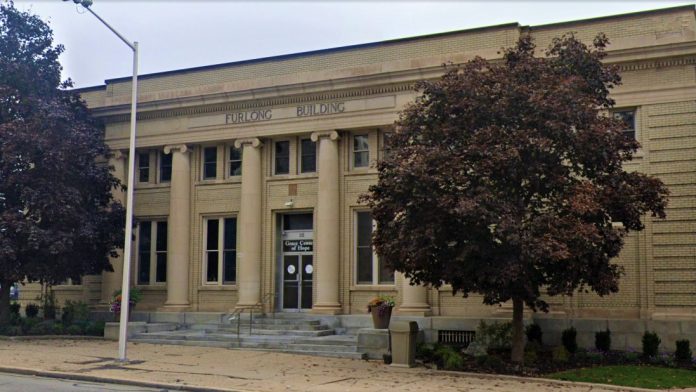
About Grace Centers of Hope
Grace Centers of Hope Men’s Program in Pontiac, Michigan, is a year-long life skills program for men that helps participants transform into productive society members through reuniting with God. Men live on site during this residential program as they focus on their core issue which is separation from God. This program gives men mentoring, accountability and discipleship so they can have the roles they need to live lives free of abuse, addiction or homelessness. They do not offer medical detox. Their services are fully funded by donors.
The men’s program gives residents access to a state of the art men’s dorm, daily nutritious meals, clothing and personal hygiene items. Staff provide case management services which provide a way through the roadblocks that stand in the way of your recovery.
As a resident, you agree to take part in twice-a-week church services at Grace Gospel Fellowship. Your family members are welcome and invited to join you for services. You’ll also join in onsite Bible study classes and get spiritual mentorship and discipleship.
I like that men have access to financial planning and a career and education center. When you leave the program, you should be able to be financially independent and have a good sense of how to budget and manage your finances.
Grace Centers of Hope gives residents the chance to develop life skills through work therapy. You’ll spend a portion of your days gaining real life work experience. This will give you a sense of accomplishment and job satisfaction as well as teach you skills you can use when you graduate from the program.
Grace Centers is one of the largest faith-focused support organizations in Michigan. They’ve been around since 1942 and help people dealing with addiction, homelessness and abuse.
Amenities
Private drug rehab provides a comfortable, secure environment that allows you to focus on doing the work to get your life back on track. Benefits include a higher staff-to-client ratio, increased one-on-one time with therapists and healthcare providers, private rooms for clients, and customized forms of therapy.
Residential drug rehab provides the comforts of home with the therapeutic support needed to successfully recover. Benefits of an inpatient program include increased safety, a higher success rate, and the time and distance given to focus on recovery. Residential drug rehabs are often the preferred method of treatment, as they can be tailored to meet specific needs, offer focused therapeutic care, and provide the necessary tools to sustain recovery.
Addiction treatment programs provide an opportunity to get your life back on track with access to school classes or college courses. Whether you want to finish your GED or go back to school to learn a new trade, facilities often enlist tutors and teachers who are certified or licensed by the state to oversee self-study or distance-learning education.
Addiction Treatment Programs
A young adult program in Michigan specializes in treatment tailored to individuals in this stage of life who are suffering from substance use disorder. Treatment addresses addiction and the challenges related to young-adult life.
No single adult program in Michigan is right for everyone. That’s why each program is tailored to meet the needs of the individual. Common aspects to an adult rehab program include individual counseling, group therapy, and aftercare support.
The backbone of most alcohol rehab in Michigan is a combination of individual and group therapy methods. Through these sessions, individuals learn how to address issues contributing to addiction and develop healthy lifestyle habits.
During men’s rehab in Michigan, individuals spend a significant amount of time in therapy. This gender-specific treatment gives men the tools they need to cope with stress and live without drugs and alcohol.
Each opioid rehab in Michigan is unique, but most consist of several key steps: admission, detox, addiction therapy, specialized care, and aftercare. Professional staff evaluate each person’s needs to recommend treatment duration and specific therapies.
Drug rehab in Michigan typically involves several phases. Individuals start with assessment, then move through the stages of detox, rehab, and aftercare. These programs can last for one week to one year.
Assertive Community Treatment (ACT) is an integrative, community-based care strategy designed to address the needs of persons with severe and/or complex mental illness or behavioral disorders. ACT is typically provided by a multidisciplinary team of medical and mental health care providers, social workers, therapists, and other specialists, including addiction recovery professionals. These services are frequently provided in the home and community to clients in crisis, those who are clinically unstable, and those who are unable or unwilling to travel to a hospital or clinic for in-person treatment.
Levels of Care
Aftercare rehab in Michigan helps you overcome hurdles after completing an addiction treatment program. You can receive assistance with finding a job, navigating legal issues, getting education, or plugging into a support group. These aftercare services unlock resources to help you continue to live a sober life.
Acting as a bridge between rehab and the rest of your life, sober living in Michigan can be very beneficial. This drug-free residential setting provides structure and teaches responsibility. You’ll receive peer support and strengthen skills you learned in rehab. Once you feel ready to live on your own, you can transition from sober living to independent housing.
Outpatient rehab in Michigan is tailored to each person’s recovery journey. This treatment usually involves several hours of therapy sessions each week, along with attendance at support group meetings. However, the timeline varies from a few weeks, to months, to years, based on your needs.
Contact Information


 Sponsored