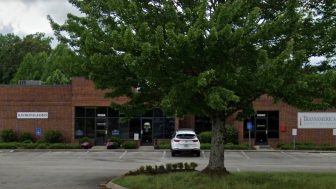
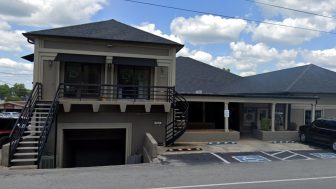
Generations Gaithers
1059 Neal St
Suite 101
Cookeville, TN 38501
 Sponsored
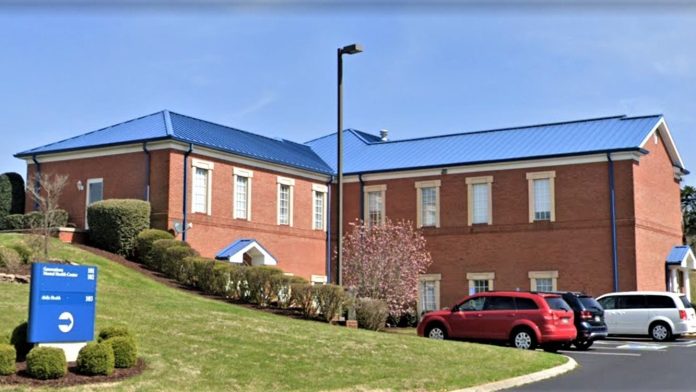
About Generations Gaithers
Generations Mental Health Centers in Tennessee offer services for substance use and behavioral health challenges. They use tools like screenings and evaluations to get a real understanding of each person’s requirement for treatment. This helps them create a plan that meets the unique needs of each individual as they work toward recovery.
Multiple Approaches to Care
What makes this facility unique to me is how it pulls together different therapeutic approaches to support the recovery of clients. The facility provides intensive outpatient care, medication management, and individual and family therapy to cover every aspect of support.
Treatment groups meet four times a week for a total of 20 sessions. Along the way, clients also get help connecting with community resources, offering extra support to strengthen their lives outside of treatment.
Coordination of Care and Additional Support
Outpatient services offer support through psychiatric evaluations, and care coordination helps clients remain on track. An experienced licensed mental health and alcohol and drug abuse counselor will be there to guide and oversee all services. Clients can also access community resources like vocational rehabilitation services, local support groups and medical professionals.
Generations Mental Health Center recognizes that transportation can often be a barrier to treatment, which is why they offer transportation services for clients who qualify. From my perspective, something as simple as helping with transportation can make all the difference in keeping someone on track with their recovery, so it’s great that they offer this service.
What also stands out is how involved the community is in supporting people at Generations. They host fundraisers to help provide things like Christmas gifts, medications and other personal needs. It’s clear they really care about making sure people are looked after in all aspects of their lives, not just during treatment.
Amenities
Private drug rehab provides a comfortable, secure environment that allows you to focus on doing the work to get your life back on track. Benefits include a higher staff-to-client ratio, increased one-on-one time with therapists and healthcare providers, private rooms for clients, and customized forms of therapy.
Addiction Treatment Programs
A young adult program in Tennessee helps participants overcome the effects of substance use on the developing brain. Participants build positive peer relationships, learn how to manage stress without drugs or alcohol, and develop tools for resolving trauma and setting boundaries.
An adult program in Tennessee helps individuals reclaim their lives from addiction. Through various treatment methods, adults learn how to end their dependence on substances and live a drug-free lifestyle.
An alcohol rehab in Tennessee provides treatment to break free from alcohol addiction. Methods typically combine counseling, group support, and behavioral therapy, with alcohol abstinence and long-term sobriety as the goals.
Therapists and clients work collaboratively during cognitive behavioral therapy in Tennessee to develop strategies for problem solving and changing behaviors. This solution-based therapy helps change thinking and behavior patterns that lead to addiction.
Drug rehab in Tennessee prepares you to start life anew with the right tools to maintain sobriety. You’ll learn how to manage stress, adopt healthy lifestyle habits, and prevent relapse. This is typically accomplished through counseling, medication, and evidence-based therapies.
An elderly rehab in Tennessee is adapted to the physical, emotional, and mental needs of seniors. Treatment is customized for the individual, with a focus on intervention, treatment, and relapse prevention.
As a form of psychotherapy, rational emotive behavioral therapy in Tennessee helps clients focus on the present and examine their unhealthy behaviors. Treatment teaches clients to identify how their beliefs are negatively impacting their lives and gives them the skills to alter irrational beliefs and resulting behaviors.
Fitness therapy is an evidence-based complementary approach to addiction recovery and mental health care. Based on mounting scientific evidence of the benefits of physical activity in improving mood, enhancing clients’ sense of wellbeing, and decreasing depression and anxiety, fitness therapy encompasses a wide spectrum of intensities, from gentle yoga, qigong, and tai chi to weight training, kickboxing, and other highly physical activities.
Moral Reconation Therapy (MRT) is a form of psychotherapy commonly used in addiction recovery. Based on cognitive behavioral therapy (CBT), moral reconation therapy (MRT) helps clients recognize unhealthy and/or harmful thought patterns and to replace them with more positive and productive ones. MRT is designed to empower clients to make healthier life choices and to more effectively align their behaviors with their moral values.
Levels of Care
Those who are coping well with reentry into society while sober are good candidates for outpatient rehab in Tennessee. This program involves attending multiple on-site sessions per week to provide accountability and support. Treatment lasts as long as you need it to, as it's based on your recovery progression.
Substance abuse disorders are often accompanied by mental health issues such as depression, bipolar disorder, or ADHD. In these cases, dual diagnosis treatment in Tennessee offers integrated treatment to effectively treat both co-occurring disorders.
One of the best ways to prevent relapse is to take advantage of Tennessee aftercare rehab. This program begins as soon as initial treatment ends. It provides ongoing support through counselors, support groups, and life coaches, to help you overcome hurdles on your recovery journey.
Intervention services in Tennessee are available for family members who need support as they try to guide a loved one toward wise choices. To get loved ones the help they need, intervention specialists offer facilitation of interventions, access to valuable resources, and guidance in choosing the best treatment plan.
Contact Information


 Sponsored