Geisinger Community Medical Center
1800 Mulberry St
Scranton, PA 18510
 Sponsored
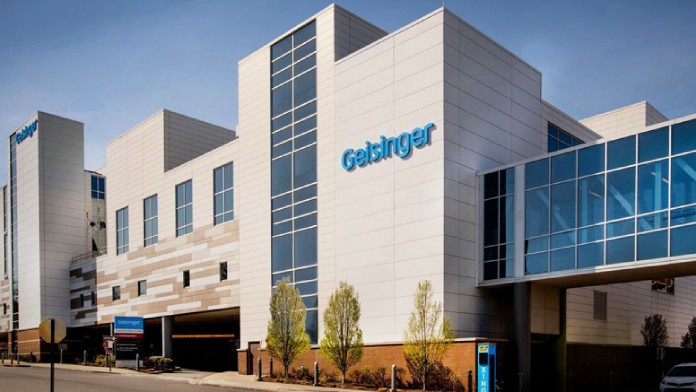
About Geisinger Community Medical Center
Geisinger Community Medical Center in Scranton, Pennsylvania offers addiction recovery to adults in Lackawanna County and northeastern Pennsylvania. The center provides personalized treatment through numerous services that help guests overcome substance use while reconnecting with loved ones.
Medication Assisted Treatment
Many people avoid seeking treatment because of the withdrawal process. I found that Geisinger includes medication assisted treatment to help guests struggling with alcohol or opioid addiction. The medicines lessen withdrawal symptoms so guests can remain comfortable. The program offers multiple medication options, including buprenorphine, extended-release injectable buprenorphine, and naltrexone.
Treatment focuses on managing cravings and reducing overdose risk while addressing underlying factors that contribute to substance use. Each patient receives an individualized plan tailored to their specific needs, with the flexibility of both short-acting and long-acting medication options to support different stages of recovery.
Wraparound Support
Geisinger's addiction medicine program integrates intensive case management to address the various barriers to recovery. I noted that this includes assistance with housing, transportation, insurance navigation, legal issues and domestic abuse resources. It allows patients to build a foundation for sustained wellness.
The hospital is located at 1800 Mulberry Street in Scranton, with a nearby outpatient addiction medicine clinic available for ongoing care. The facility offers free parking, weekday valet service, public transit access and interpreter services such as ASL.
Amenities
Private drug rehab provides a comfortable, secure environment that allows you to focus on doing the work to get your life back on track. Benefits include a higher staff-to-client ratio, increased one-on-one time with therapists and healthcare providers, private rooms for clients, and customized forms of therapy.
In order to maintain a sense of autonomy, many private rehab facilities offer clients the ability to choose their own private rooms. The privacy and personal space ensure that the recovery process is as comfortable as possible.
Addiction Treatment Programs
The Keystone State offers many resources for those struggling with substance use disorders. Each adult program in Pennsylvania provides individualized care, to meet people where they are and help them take the next step on their recovery journey.
Men’s rehab in Pennsylvania can help men receive support from other men who understand their challenges. This provides a sense of camaraderie that relieves feelings of isolation.
Women’s rehab in Pennsylvania helps females struggling with substance use disorders build the skills necessary to maintain sobriety. Treatment is designed to help women stay on track for long-term recovery.
Cognitive behavioral therapy in Pennsylvania helps participants identify inaccurate thinking and learned patterns of negative behavior and how to change them. It gives participants the skills to relieve their symptoms without turning to substances.
Elderly rehab in Pennsylvania works with older adults who are facing addiction. Common services include management of chronic health conditions, case management, and education about prescription medications.
Rational emotive behavioral therapy in Pennsylvania focuses on the present and the relationship between dysfunctional thinking and emotional and behavioral dysfunction. This treatment can uncover faulty beliefs and help you understand what is contributing to your addiction.
Levels of Care
Mental illness and substance abuse are so integrated that they must be treated together. Ignoring one and treating the other doesn’t work. Dual diagnosis treatment in Pennsylvania effectively addresses both mental health and substance abuse disorders, for the best outcomes.
When first starting drug rehab in Pennsylvania, many individuals begin with inpatient rehab. This involves staying at the facility 24/7 and receiving a variety of treatment methods that typically include group and individual counseling.
Contact Information


 Sponsored