Minsec Scranton
 Sponsored
About Minsec Scranton
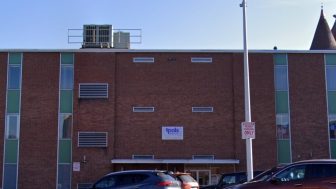
Minsec Scranton is a residential reentry and transitional housing program in Scranton, Pennsylvania serving adults reintegrating into the community after involvement with the criminal justice system.
The program connects clients with addiction related support, including services tied to alcohol use, drug use and opioid recovery, alongside aftercare and sober living.
Its approach blends recovery support with practical reentry assistance, helping residents rebuild stability while reducing the risk of relapse and future legal involvement.
Reentry Focused Sober Living
Minsec Scranton's core specialty is transitional housing for adults leaving incarceration who need a structured, sober environment to support their next steps.
The residential setting offers a stable foundation where recovery and reintegration goals can be pursued together.
I want to add that clients can access counseling aimed at helping them avoid future legal issues, along with case management and referrals to community resources.
This combination addresses both the behavioral health and practical challenges that often accompany reentry, supporting long term recovery beyond the immediate post incarceration period.
Job Readiness and Community Reintegration
Beyond housing, Minsec Scranton incorporates employment preparation and job-readiness support into its reentry model.
I appreciate how staff can help connect residents with community resources and practical tools needed to rebuild independence, recognizing that stable work and support networks are key to sustained recovery.
Getting Started
Minsec Scranton is located on Linden Street in downtown Scranton, with COLTS bus stops within walking distance and Doherty Park nearby, making it accessible for residents without personal transportation.
The program lists self pay options, sliding scale assistance and financial aid to help make services more accessible to those in need.
Amenities
Private drug rehab provides a comfortable, secure environment that allows you to focus on doing the work to get your life back on track. Benefits include a higher staff-to-client ratio, increased one-on-one time with therapists and healthcare providers, private rooms for clients, and customized forms of therapy.
Residential drug rehab provides the comforts of home with the therapeutic support needed to successfully recover. Benefits of an inpatient program include increased safety, a higher success rate, and the time and distance given to focus on recovery. Residential drug rehabs are often the preferred method of treatment, as they can be tailored to meet specific needs, offer focused therapeutic care, and provide the necessary tools to sustain recovery.
Addiction Treatment Programs
A young adult program in Pennsylvania provides a comfortable, age-appropriate environment for treatment. These programs offer life skills education, individualized treatment, family therapy, and aftercare.
The Keystone State offers many resources for those struggling with substance use disorders. Each adult program in Pennsylvania provides individualized care, to meet people where they are and help them take the next step on their recovery journey.
Alcohol rehab in Pennsylvania uses various treatment techniques to teach you how to change your lifestyle, living environment, and social connections. These changes help you control urges to drink and learn how to prevent relapse.
Men’s rehab in Pennsylvania can help men receive support from other men who understand their challenges. This provides a sense of camaraderie that relieves feelings of isolation.
Women’s rehab in Pennsylvania helps females struggling with substance use disorders build the skills necessary to maintain sobriety. Treatment is designed to help women stay on track for long-term recovery.
Opioid rehab in Pennsylvania often includes medication assisted treatment, which helps alleviate withdrawal. This treatment is combined with other therapies that give you skills to navigate addiction and achieve long-term recovery.
Drug rehab in Pennsylvania is devoted to the treatment of addiction. Levels of care, treatment methods, and settings differ, but the aim of each program is to end drug dependency and empower participants to achieve long-term recovery.
Elderly rehab in Pennsylvania works with older adults who are facing addiction. Common services include management of chronic health conditions, case management, and education about prescription medications.
LGBTQ-friendly rehab in Pennsylvania offers demographic-specific addiction treatment programs to help create positive recovery outcomes designed to overcome stigma and discrimination by creating an environment where clients feel supported and encouraged.
Levels of Care
Following rehab, you can receive much-needed ongoing support through aftercare rehab in Pennsylvania. Services may include financial planning, career guidance, legal advice, and other practical supports, as well as counseling and 12-step groups. Taking advantage of these resources greatly reduces the chance of relapse.
An average stay at a Pennsylvania sober living home is designed to decrease your chances of relapsing. While there, you’ll work on strengthening your recovery skills and prepare to live on your own. You’ll attend 12-step meetings, work or go to school, and follow a structured schedule that provides stability and accountability.


Natalie is a recent graduate of Purdue University, where she studied psychology and creative writing. Every morning, she’s fueled by a cup of tea and her passion for making sure mental health resources are accessible to everyone. In her spare time, she loves writing poetry by her window, where she can watch the sunrise.
Rehabs.org regularly reviews this listing for accuracy but changes may occur between updates. For the most up-to-date information, please contact Minsec Scranton.