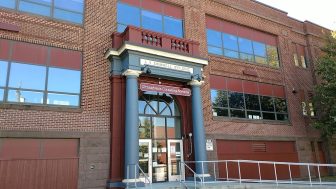
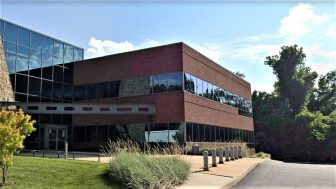
Gaudenzia Common Ground
3740 Chambers Hill Rd
Harrisburg, PA 17111
 Sponsored
About Gaudenzia Common Ground
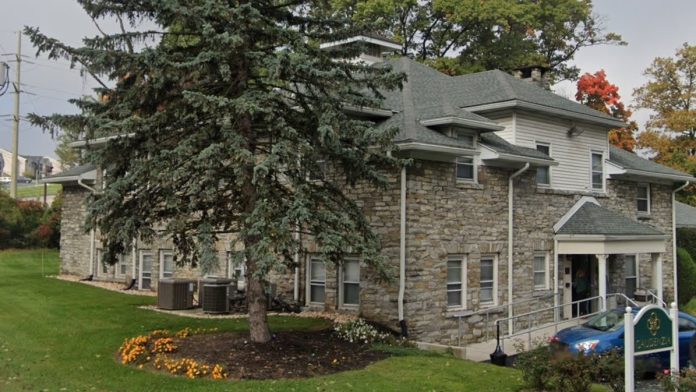
Gaudenzia Common Ground is an inpatient rehabilitation facility situated in suburban Harrisburg, Pennsylvania. It’s northeast of the Cameron Parkway and two miles from the historic John Harris-Simon Cameron Mansion. Here, adults facing substance use and co-occurring mental health conditions across Dauphin County are guided toward long-term abstinence through expert, dedicated care.
The facility provides a structured recovery fostered through medical detox, residential treatment and medication-assisted treatment (MAT). Gaudenzia welcomes everyone, especially for underserved communities.
Specialized treatment options are available for pregnant and postpartum women, individuals living with HIV/AIDS and those involved in the criminal justice system. We appreciate that they accept Medicaid, most private insurance plans and often use county funding when needed to offset treatment costs for clients.
I noticed that the facility has overwhelmingly positive feedback from past clients, many of whom credit them for setting them on the right path. One client noted, “Thank you so much to all the staff there. They made my detox and rehab so much better than I thought. They literally saved my life and my family.”
Continuum of Care for Sustained Wellness
Your recovery journey may begin with medically assisted detox. During this short-term process, expert physicians monitor you 24/7 and administer FDA-approved medications to manage intense withdrawal symptoms. You’ll also enjoy highly nutritious meals and plenty of recreational exercise to support your physical health and boost your overall well-being.
Once stabilized, you’ll move to residential rehab, where high-intensity therapeutic engagement and psychoeducation alongside skill-building and peer support deepen your path to long-term stability.
Your tailored care may integrate MAT if you’re dealing with primary opioid dependence. Those with co-occurring conditions may receive medication management to support emotional and mental stability.
As you transition to independent living, you’ll be connected to a broad network of local resources to support needs like housing, employment and education.
Amenities
Private drug rehab provides a comfortable, secure environment that allows you to focus on doing the work to get your life back on track. Benefits include a higher staff-to-client ratio, increased one-on-one time with therapists and healthcare providers, private rooms for clients, and customized forms of therapy.
Recreational therapy uniquely combines therapeutic interventions with an activity, like horse-riding, hiking, wilderness therapy, basketball, tennis, or a full workout. Benefits of recreational therapy include providing a healthy way to work through the emotions of recovery, learning to build and maintain relationships, improving communication skills, and building self-esteem.
Residential drug rehab provides the comforts of home with the therapeutic support needed to successfully recover. Benefits of an inpatient program include increased safety, a higher success rate, and the time and distance given to focus on recovery. Residential drug rehabs are often the preferred method of treatment, as they can be tailored to meet specific needs, offer focused therapeutic care, and provide the necessary tools to sustain recovery.
Addiction Treatment Programs
The Keystone State offers many resources for those struggling with substance use disorders. Each adult program in Pennsylvania provides individualized care, to meet people where they are and help them take the next step on their recovery journey.
Alcohol rehab in Pennsylvania uses various treatment techniques to teach you how to change your lifestyle, living environment, and social connections. These changes help you control urges to drink and learn how to prevent relapse.
Men’s rehab in Pennsylvania can help men receive support from other men who understand their challenges. This provides a sense of camaraderie that relieves feelings of isolation.
Opioid rehab in Pennsylvania often includes medication assisted treatment, which helps alleviate withdrawal. This treatment is combined with other therapies that give you skills to navigate addiction and achieve long-term recovery.
Women’s rehab in Pennsylvania helps females struggling with substance use disorders build the skills necessary to maintain sobriety. Treatment is designed to help women stay on track for long-term recovery.
A young adult program in Pennsylvania provides a comfortable, age-appropriate environment for treatment. These programs offer life skills education, individualized treatment, family therapy, and aftercare.
Cognitive behavioral therapy in Pennsylvania helps participants identify inaccurate thinking and learned patterns of negative behavior and how to change them. It gives participants the skills to relieve their symptoms without turning to substances.
Levels of Care
When first starting drug rehab in Pennsylvania, many individuals begin with inpatient rehab. This involves staying at the facility 24/7 and receiving a variety of treatment methods that typically include group and individual counseling.
Following rehab, you can receive much-needed ongoing support through aftercare rehab in Pennsylvania. Services may include financial planning, career guidance, legal advice, and other practical supports, as well as counseling and 12-step groups. Taking advantage of these resources greatly reduces the chance of relapse.
Mental illness and substance abuse are so integrated that they must be treated together. Ignoring one and treating the other doesn’t work. Dual diagnosis treatment in Pennsylvania effectively addresses both mental health and substance abuse disorders, for the best outcomes.
An average stay at a Pennsylvania sober living home is designed to decrease your chances of relapsing. While there, you’ll work on strengthening your recovery skills and prepare to live on your own. You’ll attend 12-step meetings, work or go to school, and follow a structured schedule that provides stability and accountability.
Accreditations
Contact Information


 Sponsored