Friendship House
390 Lincoln Street
South Portland, ME 04106
 Sponsored
About Friendship House
Just minutes from scenic Portland Harbor and the peaceful paths of Mill Creek Park is Friendship House for Men in Recovery. This South-Portland-based facility, located at 390 Lincoln Street, offers more than just transitional housing. It offers a second chance.
Friendship House has been serving men in recovery since 1985. With a strong foundation rooted in compassion, community, and spiritual healing, this charming white house is tucked in a quiet residential neighborhood, close to bus routes, grocery stores and outdoor recreation spaces.
A Safe Place to Stay
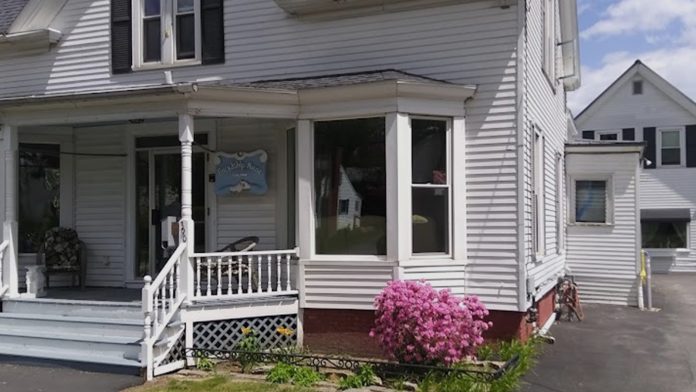
On the outside, Friendship House is warm and inviting, with a welcoming front porch and large bay windows. This home-like environment offers a sober living space where men can stabilize, build structure and reconnect with themselves and others.
The minimum stay is six months, which seems right for those serious about long-term recovery. I also notice that Friendship House emphasizes peer support through communal living, house meetings and shared responsibilities. When fellow residents support and work together, that brotherhood can break the isolation that addiction often creates.
Faith-Inspired But Open to All
Friendship House was founded in 1985 by a local couple in their seventies who felt a call to help the city’s homeless. While it is inspired by Christian values, the program doesn’t push any specific religious agenda. I like that they blend spiritual encouragement with real-world support to help men connect to AA/NA meetings, outpatient therapy and job resources.
Real Stories and Real Impact
Residents express gratitude for the sense of accountability and community they experience at Friendship House. Testimonials from past residents cite the dedicated staff and supportive, non-judgmental environment. Many feel their time here played a key role in rebuilding their lives and relationships.
Affordability and Community Focus
Accessibility is an important feature of Friendship House. They accept sliding scale payments and don’t require insurance.
They depend heavily on community donations and host fundraising events throughout the year to offset costs. Most residents pay a small weekly program fee, often with help from General Assistance and other local programs.
Amenities
In order to maintain a sense of autonomy, many private rehab facilities offer clients the ability to choose their own private rooms. The privacy and personal space ensure that the recovery process is as comfortable as possible.
Private drug rehab provides a comfortable, secure environment that allows you to focus on doing the work to get your life back on track. Benefits include a higher staff-to-client ratio, increased one-on-one time with therapists and healthcare providers, private rooms for clients, and customized forms of therapy.
Residential drug rehab provides the comforts of home with the therapeutic support needed to successfully recover. Benefits of an inpatient program include increased safety, a higher success rate, and the time and distance given to focus on recovery. Residential drug rehabs are often the preferred method of treatment, as they can be tailored to meet specific needs, offer focused therapeutic care, and provide the necessary tools to sustain recovery.
Addiction Treatment Programs
A rehab adult program in Maine is designed for men and women ages 18 and older who are seeking help with addiction to drugs or alcohol. Programs vary, but many offer both inpatient and outpatient rehab and incorporate both individual and group therapy methods in treatment.
Alcohol rehab in Maine is for individuals whose lives are affected by excessive alcohol use. This treatment program aims to help individuals develop healthy lifestyle habits and remain permanently abstinent from alcohol.
Drug rehab in Maine is the process of helping someone learn how to live without the use of substances. Professional staff provide treatment to address the various issues of addiction. Methods often involve medication, counseling, and evidence-based therapies.
The challenges men face when battling addiction are often different than women. That’s why men’s rehab in Maine is designed to distinctly treat men and their unique needs.
Opioid rehab in Maine combines the use of medication assisted treatment, recovery support, and aftercare to help individuals recover from opioid addiction. Programs typically incorporate 12-step components, detox, medication assisted treatment, and evidence-based therapies.
Adolescence is a time of unique social pressures and challenges. A young adult program in Maine addresses the recovery needs of individuals in this stage of life and gives them the tools they need to navigate it successfully.
Levels of Care
Dual diagnosis treatment in Maine actively treats co-occurring mental health disorders, such as bipolar disorder, anxiety, or depression, as well as addiction. Common methods include medication management, behavior and cognitive therapies, and counseling.
Maine aftercare rehab gives you the confidence and the support you need to face life challenges and continue moving forward in recovery. After completing a rehab program, aftercaret offers ongoing support through 12-step groups, counseling, and life coaching for as long as you need it.
Sober living in Maine helps you strengthen your coping skills and learn how to trust yourself to live a sober life. You’ll live with others in recovery while attending 12-step meetings and abstaining from drugs and alcohol. When you feel ready to leave this structured environment, you are free to move to more independent living. This usually happens after a few months.
Contact Information


 Sponsored