Day One
 Sponsored
About Day One
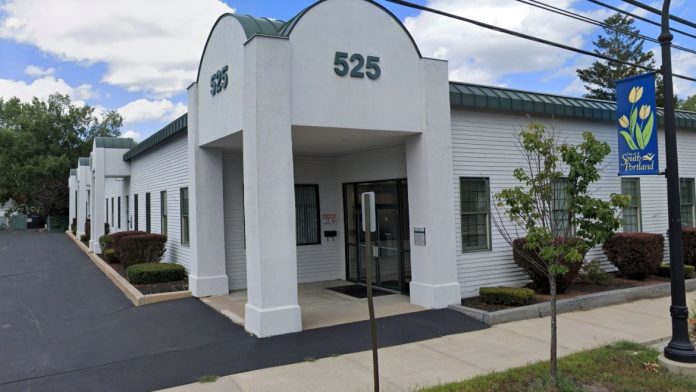
Day One is a substance use and mental health treatment provider in South Portland, Maine offering a continuum of care. Services include outpatient counseling and medication for opioid use disorder as well as gender separate residential treatment for teens and I noted support is accessible in person or via telehealth and school settings.
What kinds of treatment does Day One offer?
Day One provides outpatient substance use counseling with client sessions and therapeutic recovery groups, medication for opioid use disorder (including Suboxone) through their Opioid Health Home, and residential treatment for youth ages 13 to 18.
I discovered they offer an adolescent residential program which includes client, group, and family counseling with stays up to six months.
Who can get help at Day One?
Day One serves youth, adolescents, adults, and families across its continuum. The residential program is designed for teens ages 13 to 18 in gender separate settings and the Street Program partnership supports unhoused youth under 21 in collaboration with Preble Street Teen Services.
Help that meets you where you are
Day One's TREAT ME Now program offers a rapid response pathway for adolescent substance use with phone intake and a 24 hour response window supported by a multidisciplinary team. They deliver integrated substance use and mental health care designed to support lasting recovery for clients and families across Maine.
Amenities
Addiction treatment programs provide an opportunity to get your life back on track with access to school classes or college courses. Whether you want to finish your GED or go back to school to learn a new trade, facilities often enlist tutors and teachers who are certified or licensed by the state to oversee self-study or distance-learning education.
Hiking is a great way to relieve stress, get perspective, navigate challenges, connect with nature, and improve your health - all essential components of sustaining long-term recovery. Studies also show that the body releases endorphins during physical activities like hiking. These endorphins improve mood and act as a natural pain reliever.
Private drug rehab provides a comfortable, secure environment that allows you to focus on doing the work to get your life back on track. Benefits include a higher staff-to-client ratio, increased one-on-one time with therapists and healthcare providers, private rooms for clients, and customized forms of therapy.
Transportation services are designed to ensure your addiction treatment begins and ends successfully by offering free transportation to the rehab facility, to and from your appointments during rehab, and back home upon program completion.
Recreational therapy uniquely combines therapeutic interventions with an activity, like horse-riding, hiking, wilderness therapy, basketball, tennis, or a full workout. Benefits of recreational therapy include providing a healthy way to work through the emotions of recovery, learning to build and maintain relationships, improving communication skills, and building self-esteem.
Residential drug rehab provides the comforts of home with the therapeutic support needed to successfully recover. Benefits of an inpatient program include increased safety, a higher success rate, and the time and distance given to focus on recovery. Residential drug rehabs are often the preferred method of treatment, as they can be tailored to meet specific needs, offer focused therapeutic care, and provide the necessary tools to sustain recovery.
Drug and alcohol rehabs with a river view can help to decrease anxiety, relieve depression, and improve concentration. Being in nature can even provide health benefits for some people, including lowering blood pressure.
Wilderness rehab programs offer all the benefits of a traditional drug rehab, but with the added benefits of outdoor adventure. Venture out into the forest to learn new skills, explore the beauty of nature, and relieve stress. Engaging in wilderness activities is a great way to gain self-discovery and release negative emotions.
Treatment centers with a yoga studio offer a special form of holistic therapy during the recovery process. Yoga boosts mindfulness, a sense of calm, and healthy reflection during drug rehab via breathing exercises, stretching, and a progression of specific postures.
Addiction Treatment Programs
Adolescence is a time of unique social pressures and challenges. A young adult program in Maine addresses the recovery needs of individuals in this stage of life and gives them the tools they need to navigate it successfully.
A rehab adult program in Maine is designed for men and women ages 18 and older who are seeking help with addiction to drugs or alcohol. Programs vary, but many offer both inpatient and outpatient rehab and incorporate both individual and group therapy methods in treatment.
Alcohol rehab in Maine is for individuals whose lives are affected by excessive alcohol use. This treatment program aims to help individuals develop healthy lifestyle habits and remain permanently abstinent from alcohol.
The challenges men face when battling addiction are often different than women. That’s why men’s rehab in Maine is designed to distinctly treat men and their unique needs.
Women’s rehab in Maine allows women in treatment to feel more comfortable and safer during treatment and achieve better recovery outcomes. This is due to the gender-specific treatment they receive and the peer connections they can form during treatment.
Opioid rehab in Maine combines the use of medication assisted treatment, recovery support, and aftercare to help individuals recover from opioid addiction. Programs typically incorporate 12-step components, detox, medication assisted treatment, and evidence-based therapies.
Cognitive behavioral therapy in Maine involves specific exercises that help individuals overcome addiction. Techniques include thought records, behavioral experiments, imagery-based exposure, and pleasant activity schedules.
Seniors who are struggling with addiction can find a recovery haven at elderly rehab in Maine. These programs provide a safe space among peers where seniors are comfortable sharing and participating more, which generates better recovery outcomes.
Women’s rehab in Maine allows women in treatment to feel more comfortable and safer during treatment and achieve better recovery outcomes. This is due to the gender-specific treatment they receive and the peer connections they can form during treatment.
Among Veterans, substance use disorder is often connected to co-occurring disorders. That’s why Veteran’s rehab in Maine addresses addiction as well as dual diagnosis such as anxiety, depression, and PTSD.
Levels of Care
For those who have successfully completed inpatient treatment, an outpatient rehab in Maine is often the next step. This treatment offers accountability and continued support, while you live at home and return to other responsibilities such as work and family. Outpatient rehab may last for a few weeks, months, or years, depending on your recovery needs.
Dual diagnosis treatment in Maine actively treats co-occurring mental health disorders, such as bipolar disorder, anxiety, or depression, as well as addiction. Common methods include medication management, behavior and cognitive therapies, and counseling.
Maine aftercare rehab gives you the confidence and the support you need to face life challenges and continue moving forward in recovery. After completing a rehab program, aftercaret offers ongoing support through 12-step groups, counseling, and life coaching for as long as you need it.
Inpatient rehab in Maine is designed primarily for clients exiting detox, people in early recovery, and those at an elevated risk of relapse. You'll reside at the rehab facility until you complete your treatment program, which allows you to focus solely on your recovery,
When you start drug rehab in Maine, the first step is typically detox. This is the process of slowly and safely removing drugs and alcohol from your system. Length of detox varies based on personal history and the type of substances abused.
Accreditations
Contact Information


 Sponsored
Kimberly Hawkins holds a master’s degree in computing and information sciences from East Tennessee State University. She is a content writer specializing in alcoholism, drug addiction, and co-occurring disorders. Kimberly has been passionate about the subject of addiction since her only sibling passed away due to an accidental overdose. Her other interests include playing the piano, being in tranquil natural environments, and spending time with her adult children.
Rehabs.org regularly reviews this listing for accuracy but changes may occur between updates. For the most up-to-date information, please contact Day One.