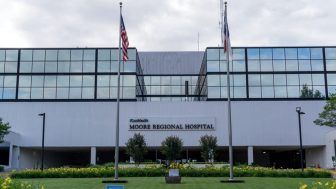
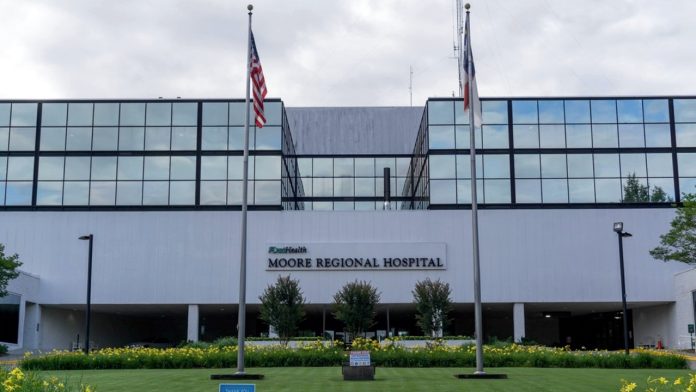
FirstHealth Moore Regional Hospital
155 Memorial Drive
Pinehurst, NC 28374
 Sponsored
About FirstHealth Moore Regional Hospital
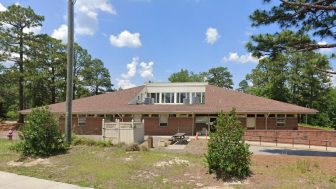
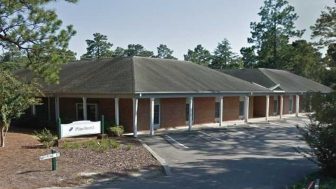
In Moore County, North Carolina, you can find help with medical detox services at FirstHealth Moore Regional Hospital. They provide alcohol and opioid detox services in Pinehurst and then provide referrals to additional treatment within the community, including their outpatient clinic on Memorial Drive.
A Community Response to the Addiction Crisis
FirstHealth is part of the Sandhills Opioid Response Consortium, which works to respond to the opioid crisis and provide addiction treatment in five North Carolina counties. This group serves Lee, Montgomery, Hoke, Moore and Richmond counties.
In Moore County, adults can access two regional detox centers and several outpatient clinics. FirstHealth Moore Regional Hospital is one of the regional detox centers and helps patients with alcohol and opioid detox. They may also be able to refer you to residential care if that’s what you need.
There are also a variety of other resources available including peer support at a different FirstHealth location on Pinehurst, medication assisted treatment and support groups.
A Focus on Health and Wellness
Beyond helping with addiction treatment and medical care, this place stands out to me because they have a variety of wellness classes for the community, which can be a big help to those recovering from substance use.
ARCHES is a community health program for youth and is offered through FirstHealth’s community clinic in Pinehurst. They offer fun activities and ideas for healthy snacks along with tips for healthy meals. Each child needs an adult with them for this free program.
They also have a FirstHealth & Wellness podcast, which I think is great because it’s easily accessible to everyone. You can get information about common medical myths, specific health conditions and even ideas on getting better sleep. It’s a great resource for those who want to be healthy in recovery.
Amenities
Private drug rehab provides a comfortable, secure environment that allows you to focus on doing the work to get your life back on track. Benefits include a higher staff-to-client ratio, increased one-on-one time with therapists and healthcare providers, private rooms for clients, and customized forms of therapy.
In order to maintain a sense of autonomy, many private rehab facilities offer clients the ability to choose their own private rooms. The privacy and personal space ensure that the recovery process is as comfortable as possible.
Addiction Treatment Programs
When individuals participate in a young adult program in North Carolina, they feel more at ease in a setting that is age-appropriate. Activities, therapies, and aesthetics are all tailored for this age group, so participants can feel comfortable and are more likely to complete the program.
An adult program in North Carolina typically combines individual and group counseling, medical treatment, and various other therapies to treat substance use disorders. Treatment can take place in an inpatient or outpatient setting.
Men’s rehab in North Carolina offers customized treatment for men. These programs provide personalized treatment that is designed with the unique needs of men in mind.
Women’s rehab in North Carolina allows women to receive gender-specific treatment tailored to their needs. Programs are available for alcohol, heroin, prescription drugs, benzos, and any other addictive substances, as well as co-occurring disorders.
To overcome opioid addiction, attend opioid rehab in North Carolina. Treatment takes place in inpatient or outpatient care, using a variety of therapies, medications, and other helpful interventions. Length of treatment caries, typically lasting 30, 60, or 90 days.
Many therapists use cognitive behavioral therapy in North Carolina to treat substance use disorders. This goal-oriented method addresses maladaptive thinking and related beliefs that affect behaviors and can lead to addiction.
The goal of rational emotive behavioral therapy in North Carolina is to help you develop healthy emotional, behavioral, and cognitive patterns so you can increase your quality of life and achieve sobriety goals. This is accomplished by increasing healthy, rational beliefs.
Levels of Care
Nearly all drug rehabs in North Carolina begin with a detox program. When this process is complete, all addictive substances will be purged from your body. You can then move on to the next steps of drug rehab in North Carolina.
When you choose inpatient drug rehab in North Carolina, you’ll live at a rehab facility for 28 to 90 days, depending on the program. Typical methods of treatment include group and individual therapy and family counseling.
Outpatient rehab in North Carolina is often the next step for those who complete an inpatient program. This less restrictive treatment involves several hours of therapy per week, and accountability through 12-step meetings such as AA. You’ll continue this treatment as long as needed, which could be weeks, months, or years.
Aftercare rehab in North Carolina is a crucial part of relapse prevention. It gives you access to resources that will help you manage stress and overcome life hurdles. Typical services include career coaching, financial guidance, and ongoing counseling and emotional support. These may continue for a few months or more than a year after initial rehab.
Some of the most common co-occurring mental health disorders include anxiety, depression, and eating disorders. When these are present alongside substance use disorder, dual diagnosis treatment in North Carolina is necessary to address both conditions.
Accreditations
Contact Information


 Sponsored