Fenway Health
1340 Boylston St
7th Floor
Boston, MA 02215
 Sponsored

About Fenway Health
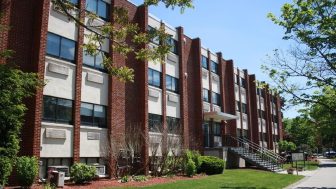
The Ansin Building is in the heart of Boston, Massachusetts. It’s across the street from Fenway Park and other local attractions. It's part of Fenway Health, a provider dedicated to elevating underserved populations with a focus on the LGBTQIA+ and BIPOC communities. They provide care on an outpatient basis.
While they see people of all ages, anyone 18 or older needs to be a patient with a Fenway primary care physician.
What I find special about this clinic is that they provide more than addiction and mental health care for the LGBTQIA+ community. Several services are in place to address the community's needs, such as violence recovery and parenting support. A complete list of their services shows just how heavily invested they are in serving the underserved.
Joining Mental and Medical Care
Fenway Health has a truly impressive number of healthcare departments, from primary to specialized care. What's great about their behavioral health services is that they not only collaborate with these other departments, they can help you get seen by them.
Consolidating your care to as few locations as possible is more than a matter of convenience. It makes it much easier for your providers to communicate and coordinate care. However, the major appeal to me is that Fenway Health's dedication to minority communities extends to all its departments. If it's important to you that your care providers truly understand your lived experience, linkages like this may be to your liking.
Advocating For You
Ansin Building staff offer a number of medical social services. The main focus of these programs is advocating for your needs.
It isn't always easy to be heard, and if you feel like you aren't being heard, it can undermine your recovery efforts. Having an advocate in your corner means you'll have someone else echoing and directing your concerns to the right spaces. You should always have a voice in your care, and a medical advocate ensures you will.
Groups for LGBTQIA+
In addition to skills based groups, LGBTQIA+ specific groups are available. These are safe spaces to meet with peers and discuss the issues that impact you most. Whether you use it as a means to connect with others or to lend and get support, having a tailor made group can be a valuable asset in recovery.
Fenway Health accepts Medicaid and some private insurance plans. Services are also available at a reduced or no cost to those who qualify. However, do note that when games are taking place at Fenway Park, parking rates can soar higher than a flyball. Should your appointment fall on a game day, the staff recommends taking public transportation.
Amenities
Acupuncture is one of the most popular luxurious and alternative therapies offered by rehabs. An acupuncture room provides benefits like pain reduction, improved sleep, a healthy immune system, and a decrease in anxiety.
Yoga and meditation are great activities to support your recovery process during alcohol or drug rehab. These therapies have been around for centuries, and they are an effective way to improve well-being. Combining addiction treatment, yoga, and meditation can reduce cravings, improve sleep, relieve anxiety and depression, provide stress relief, promote relaxation, support emotional healing, and improve energy levels.
Addiction treatment in the metro area benefits clients by offering seamless connections from the city, around the state, and those seeking out-of-state treatment. Another benefit of attending a metro area drug rehab is that you’re close to major airports and ground transportation services.
Addiction Treatment Programs
Each adult program in Massachusetts is designed to help individuals over the age of 18 recover from addiction to drugs or alcohol. The length of the program and its intensity varies, based on the needs of the individual.
Most alcohol rehab in Massachusetts consists of individual counseling and group therapy sessions, which address mental and emotional concerns that are contributing to alcohol use. Treatment helps participants make changes to maintain sobriety and prevent relapse.
Cognitive behavioral therapy in Massachusetts is a hands-on method that engages participants in changing their thought and behavior patterns. Rather than a talk-listen approach, individuals are actively involved in working with their therapist to treat their addiction.
LGBTQ-friendly rehab in Massachusetts offers programs targeted to the unique experiences within this diverse community. Staff specialists understand that an environment promoting acceptance makes it easier for people to open up and focus on healing.
For men who want to stop drinking or using drugs, men’s rehab in Massachusetts offers help and hope. These treatment programs, designed specifically for men, help participants recover and rebuild their lives.
When you enter opioid rehab in Massachusetts, you’ll receive treatment in a supportive environment that encourages recovery. After successful withdrawal management, you’ll participate in a variety of evidence-based therapies that prepare you for long-term sobriety.
Elderly rehab in Massachusetts addresses both addiction issues and common challenges faced by older adults. By dealing with grief, loss, social isolation, and financial uncertainty, participants are given tools to overcome addiction later in life.
Women who are seeking treatment for substance use disorders can receive various levels of care at women’s rehab in Massachusetts. Programs include detox, partial hospitalization programs (PHP), intensive outpatient programs (IOP), telehealth programs, sober living, outpatient, and aftercare.
Teen and young adult substance abuse can set individuals on a life-long path of destruction. A young adult program in Massachusetts can intervene in young adults’ lives to set them on a better path during this crucial stage of life.
Levels of Care
The first step to a drug-free future is detox. This involves slowly and safely ridding your body of all addictive substances, under 24/7 supervision. This is typically the initial phase of drug rehab in Massachusetts.
Massachusetts outpatient rehab does not have a defined timeline. The program is tailored to meet your recovery needs, and may last 90 days or a year or more. During this time, you will attend therapy sessions and support group meetings, for ongoing accountability and development of sober-living skills.
Aftercare rehab in Massachusetts gives you continued access to support after rehab. You may need assistance with job coaching, budgeting, education, or accountability as you re-enter your life. Aftercare programs provide these supports, so you can face challenges and maintain a sober lifestyle long-term.
If you meet the diagnostic criteria for two or more conditions, you have a dual diagnosis. Massachusetts dual diagnosis treatment is designed to address both conditions simultaneously, for improved recovery outcomes.
Accreditations
Contact Information


 Sponsored