Recovery Resource Center
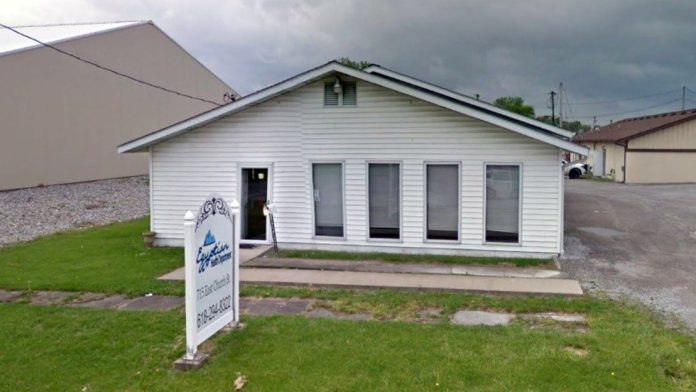
715 East Church Street
Harrisburg, IL 62946
 Sponsored
About Recovery Resource Center
If you are experiencing the effects of substance use disorder (SUD) and co occurring mental health conditions, the Egyptian Health Department’s Recovery Resource Center provides services to help you alleviate any issues you are experiencing. At this facility located in Harrisburg, Illinois, you can access outpatient services that are framed through a person centered and community based approach. In addition to adult SUD programs, this facility offers adolescent intervention and prevention services as well as programs aimed at treating problem gambling disorder.
Outpatient Counseling and Medication Assisted Treatment
At the beginning of your journey at the Recovery Resource Center, their staff can provide a substance use assessment and evaluation which can be helpful to understand external stressors that are contributing to or affecting your SUD. One notable facet is that they accept referrals from employers as professional stress and substance use can often be intertwined.
After your assessment, they will work with you to construct a treatment plan that fits into your life and schedule to give you the best chance at a smooth transition into recovery. Their interdisciplinary team can provide counseling services from a framework that best suits you.
Additionally, if you are seeking relief from opioid dependence, the Recovery Resource Center works with Dr. Michael Blain and his medical team to provide medication assisted treatment (MAT). MAT normalizes your brain chemistry from the effects of opioid addiction to reduce cravings so you have a lower risk of relapse.
Individual and Community Based Mental Health Treatment for Adults and Adolescents
For those seeking assistance with mental health conditions, this facility provides services for both adolescents and adults. For adults, their outpatient care program provides both case management and care coordination programs as well as specific mental health groups such as parenting classes, anger control groups, trauma and recovery, and dialectical behavior therapy.
I thought it was especially unique that this facility offers a program called FIRST.IL, which is a comprehensive, team based treatment aimed at improving mental health and quality of life for individuals who have experienced a first episode of a psychotic illness.
Children and adolescents can access diverse services related to mental health treatment. This facility offers standard outpatient mental health counseling and family therapy, and has the capacity to supplement those with more specific programs such as community based youth services aimed at runaways, lockouts and children refusing to return home ages 11 through 17. Adolescents ages 14 and higher also qualify for FIRST.IL.
Amenities
There are many pathways to recovery and some journeys take a more labor-intensive approach, by attending a farm-based drug rehab. Farm life has many parallels with recovery: it requires constant tending, nurturing, and creating the conditions necessary to thrive. The benefits of a farm program include learning new skills, building a recovery community, peer support, and contributing to a greater ecosystem.
Private drug rehab provides a comfortable, secure environment that allows you to focus on doing the work to get your life back on track. Benefits include a higher staff-to-client ratio, increased one-on-one time with therapists and healthcare providers, private rooms for clients, and customized forms of therapy.
Transportation services are designed to ensure your addiction treatment begins and ends successfully by offering free transportation to the rehab facility, to and from your appointments during rehab, and back home upon program completion.
Residential drug rehab provides the comforts of home with the therapeutic support needed to successfully recover. Benefits of an inpatient program include increased safety, a higher success rate, and the time and distance given to focus on recovery. Residential drug rehabs are often the preferred method of treatment, as they can be tailored to meet specific needs, offer focused therapeutic care, and provide the necessary tools to sustain recovery.
Rehabs that offer mountain views provide beautiful spaces for clients to explore, de-stress, and take part in outdoor or wilderness therapy programs. The mountain surroundings can be a great help to the recovery process, as sobriety may be better achieved while surrounded by a serene setting in nature.
Addiction Treatment Programs
Some of the most common services offered in a young adult program in Illinois include individual and group counseling, medication management, educational courses, and 12-step programs. These programs are tailored to address the challenges of this stage of life.
Individuals who are struggling with addiction to drugs or alcohol can get support at an adult program in Illinois. Designed for men and women over the age of 18, these programs offer rehabilitation treatment and recovery services.
Each alcohol rehab in Illinois is unique, but most include three basic aspects of treatment: medical detox, psychotherapy, and medication. Through these methods, participants receive treatment for the physical, mental, and emotional aspects of alcohol use disorder.
Men’s rehab in Illinois typically includes individual, group, and family therapies. Group sessions are conducted with men only, which encourages greater vulnerability and sharing opportunities among participants.
Women who have substance use disorders are more likely than men to have co-occurring mental health disorders. Women’s rehab in Illinois often provides treatment for dual diagnosis, so women can get help for their addiction and disorders such as anxiety or depression.
Learn the skills you need to break free from opioid dependence at opioid rehab in Illinois. Program options include detox, inpatient rehab, outpatient rehab, counseling, and medication assisted treatment programs, which are tailored to meet the needs of the individual.
In Illinois, cognitive behavioral therapy is an effective method for addiction treatment. It teaches effective communication skills, provides tools to help people improve mood, and empowers participants to dismiss insecurities that can lead to substance abuse.
Drug rehab in Illinois is designed to help men and women recover from drug addiction. The length of the program and its intensity vary, based on the individual’s needs. It’s important to find the right program to suit your unique situation and challenges.
Elderly rehab in Illinois encompasses a full range of treatment options. Addiction treatment for seniors includes detox programs, outpatient treatment, residential programs, medication assisted treatment, case management, and dual diagnosis.
Women who have substance use disorders are more likely than men to have co-occurring mental health disorders. Women’s rehab in Illinois often provides treatment for dual diagnosis, so women can get help for their addiction and disorders such as anxiety or depression.
Veteran’s rehab in Illinois is specialized addiction recovery that is dedicated to military Veterans. Treatment often addresses substance use and common co-occurring mental health disorders.
Fitness therapy is an evidence-based complementary approach to addiction recovery and mental health care. Based on mounting scientific evidence of the benefits of physical activity in improving mood, enhancing clients’ sense of wellbeing, and decreasing depression and anxiety, fitness therapy encompasses a wide spectrum of intensities, from gentle yoga, qigong, and tai chi to weight training, kickboxing, and other highly physical activities.
Levels of Care
Outpatient rehab in Illinois may be brief or long-term, depending on the individual. During this time, you will maintain membership in a support group as well as attend one-on-one counseling sessions. The focus is ongoing development of life skills that will prevent relapse.
Aftercare rehab in Illinois lowers the chance of relapse. This program offers support to help you face challenges after you successfully complete rehab. By providing guidance, accountability, and assistance with basic life skills, aftercare gives you confidence to navigate temptations and maintain sobriety.
An Illinois dual diagnosis program treats both your mental health and recovery needs. Psychiatrists and addiction specialists work together to address co-occurring disorders, such as depression, anxiety, or ADHD.
Accreditations
Accepted Insurance



Contact Information


 Sponsored