Hillandale Road VA Clinic
1824 Hillandale Road
Durham, NC 27705
 Sponsored
About Hillandale Road VA Clinic
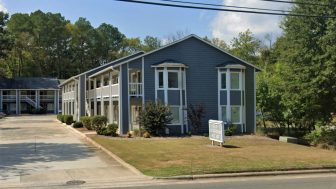
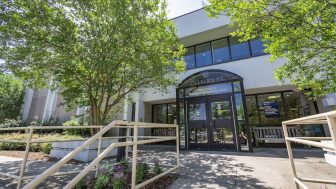
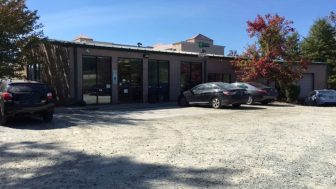
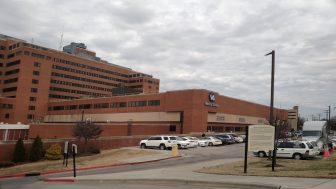
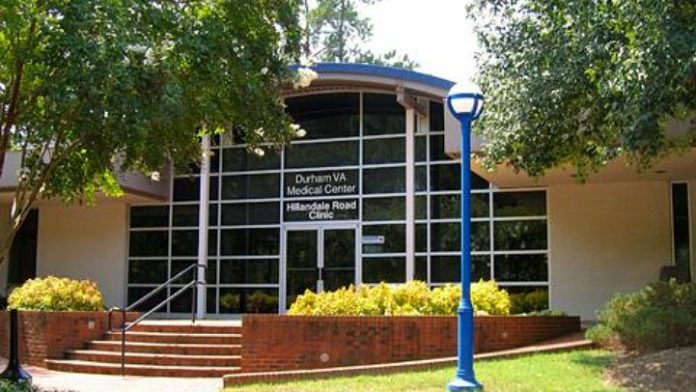
Former and active service personnel can access outpatient treatment services for substance use disorders and other mental health conditions at the Hillandale Road VA Clinic in a quiet corner of Durham, North Carolina. Referrals are required for mental health treatment at this VA Clinic but same-day help may be available even without enrolling in VA healthcare. Telehealth appointments are available for mental health issues for clients unable to make it to the clinic in person.
Outpatient addiction treatment is personalized to each client’s unique situation, additional mental health symptoms, severity of substance use and recovery goals. As trauma often goes hand-in-hand with substance use disorder in veterans, all VA clinics also specialize in trauma-informed care. Treatment plans are modified in real time as each client’s disorder changes during recovery.
Care plans will consist of a combination of individual, couples, and family therapy, group counseling, readjustment counseling, addiction education and vocational training. If additional services are needed like medication assisted treatment (MAT) for chemical dependency, staff at Hillandale Road can refer clients to other clinics in the VA network that offer more extensive substance use services including residential treatment.
If you’re looking for recreational therapy to unwind and clear your mind, Indian Trail Park is not far away. The West Ellerbe Creek Trail also features opportunities for exercise and leisurely strolling.
What’s great about VA Clinics is the way they coordinate care, meaning that Veterans can also access additional healthcare services at the Hillandale Road location. Services available include lab testing to identify health problems and illness management, pharmacy for prescription medications and supplies, and primary care services such as immunizations and vaccinations.
Amenities
Addiction treatment in the metro area benefits clients by offering seamless connections from the city, around the state, and those seeking out-of-state treatment. Another benefit of attending a metro area drug rehab is that you’re close to major airports and ground transportation services.
Private drug rehab provides a comfortable, secure environment that allows you to focus on doing the work to get your life back on track. Benefits include a higher staff-to-client ratio, increased one-on-one time with therapists and healthcare providers, private rooms for clients, and customized forms of therapy.
Residential drug rehab provides the comforts of home with the therapeutic support needed to successfully recover. Benefits of an inpatient program include increased safety, a higher success rate, and the time and distance given to focus on recovery. Residential drug rehabs are often the preferred method of treatment, as they can be tailored to meet specific needs, offer focused therapeutic care, and provide the necessary tools to sustain recovery.
Addiction Treatment Programs
An adult program in North Carolina typically combines individual and group counseling, medical treatment, and various other therapies to treat substance use disorders. Treatment can take place in an inpatient or outpatient setting.
Men’s rehab in North Carolina offers customized treatment for men. These programs provide personalized treatment that is designed with the unique needs of men in mind.
Women’s rehab in North Carolina allows women to receive gender-specific treatment tailored to their needs. Programs are available for alcohol, heroin, prescription drugs, benzos, and any other addictive substances, as well as co-occurring disorders.
Many therapists use cognitive behavioral therapy in North Carolina to treat substance use disorders. This goal-oriented method addresses maladaptive thinking and related beliefs that affect behaviors and can lead to addiction.
Elderly rehab in North Carolina provides specialized treatment for addiction among adults ages 55 and older or 65 and older. This treatment typically addresses dual diagnosis, substance use disorder, and age-specific concerns of seniors.
Veteran’s rehab in North Carolina offers trauma-informed therapy from experienced mental health professionals. These programs offer a supportive and understanding environment to help Veterans recover from substance use disorders and manage co-occurring conditions.
The goal of rational emotive behavioral therapy in North Carolina is to help you develop healthy emotional, behavioral, and cognitive patterns so you can increase your quality of life and achieve sobriety goals. This is accomplished by increasing healthy, rational beliefs.
Levels of Care
Outpatient rehab in North Carolina is often the next step for those who complete an inpatient program. This less restrictive treatment involves several hours of therapy per week, and accountability through 12-step meetings such as AA. You’ll continue this treatment as long as needed, which could be weeks, months, or years.
Some of the most common co-occurring mental health disorders include anxiety, depression, and eating disorders. When these are present alongside substance use disorder, dual diagnosis treatment in North Carolina is necessary to address both conditions.
Aftercare rehab in North Carolina is a crucial part of relapse prevention. It gives you access to resources that will help you manage stress and overcome life hurdles. Typical services include career coaching, financial guidance, and ongoing counseling and emotional support. These may continue for a few months or more than a year after initial rehab.
When you choose inpatient drug rehab in North Carolina, you’ll live at a rehab facility for 28 to 90 days, depending on the program. Typical methods of treatment include group and individual therapy and family counseling.
Recovery journeys often begin with intervention services in North Carolina. This treatment tool provides key support in planning and facilitating an effective intervention. Intervention specialists can also provide resources to develop treatment plans and guide families through the admission process.
Accreditations
Contact Information


 Sponsored