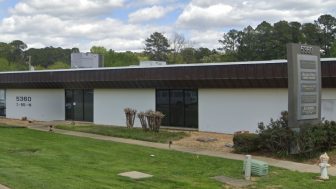
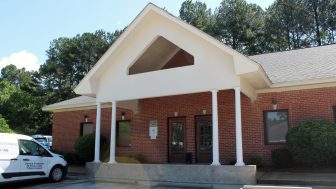
Defining Wellness Centers – Outpatient Drug & Alcohol Rehab
411 Hanover Cir
Ridgeland, MS 39157
 Sponsored
About Defining Wellness Centers – Outpatient Drug & Alcohol Rehab
Defining Wellness Centers - Outpatient Drug & Alcohol Rehab is located in Ridgeland, Mississippi. They offer general and intensive outpatient substance use treatment. They’re known for holistic and personalized care tailored to your unique condition. The holistic approach heals the body, mind and spirit. Their Joint Commission accreditation and LegitScript certification confirm their commitment to quality care.
I especially find their outpatient therapy environment fascinating. The setting is conducive and welcoming with modern amenities that enhance comfort. Their clinical team includes experts in addiction recovery. This team provides support and guidance as you grow sober and healthy.
Their intensive outpatient program (IOP) is designed to provide structured but flexible addiction recovery approaches. You should expect to participate in about nine hours of group therapy each week broken into three sessions a day over three days. Sessions are held between 6 to 9 p.m. This lets you seamlessly integrate treatment into your daily lives without significant disruption.
The program also includes weekly individual and family therapy sessions. Blending group interaction with individual support addresses your core recovery challenges. This creates a solid foundation for lasting recovery. Both therapies draw from proven models like cognitive behavioral therapy, dialectical behavior therapy and motivational interviewing.
These models focus on helping you tackle the negative emotions triggering your substance misuse and building strong coping skills. Emphasis is on preventing relapse prevention and staying sober. The facility also delivers psychotherapy, psychodrama and eye movement desensitization and reprocessing (EMDR) models in group and individual formats. These models can help those with dual diagnosis address the underlying trauma that leads to that.
The group session fosters supportive community networks and engagement. You’ll connect with and share experiences with peers facing similar struggles and benefit from their encouragement. This healthy connection offers a source of strength that can help your recovery journey. Individual therapy is all about personalized care. Family therapy strengthens your support network through improved communication with loved ones.
The intensive outpatient program lasts 10 weeks. You can step down to the general outpatient care afterward. This involves 90-minute groups twice weekly alongside an individual session once a week. It is geared towards maintaining lasting recovery.
Sessions are tailored to your unique needs to provide the best recovery outcomes. Both programs involve random testing and breathalyzers to ensure you’re staying on track.
I really think the best thing about these programs is their inherent flexibility and convenience. You’ll continue to receive therapy while engaging in daily activities. This may include working, spending time with loved ones and embracing substance-free lifestyle.
Amenities
Art and music are mediums that connect with our feelings, making them a great recovery tool during addiction treatment. Studies show that combining art/music and drug rehab can have a greater therapeutic impact than drug rehab alone, as you’re able to access parts of your brain and body that you may not have access to during traditional talk therapy. Benefits of art/music therapy include lowering stress and anxiety, promoting healthy neurochemicals, and providing stress relief.
Music can be extremely therapeutic, serving as a valuable healing tool and an integrative feature of a holistic treatment plan. A music room offers a large number of outlets, including singing, playing musical instruments, and listening to music.
Hiking is a great way to relieve stress, get perspective, navigate challenges, connect with nature, and improve your health - all essential components of sustaining long-term recovery. Studies also show that the body releases endorphins during physical activities like hiking. These endorphins improve mood and act as a natural pain reliever.
Yoga and meditation are great activities to support your recovery process during alcohol or drug rehab. These therapies have been around for centuries, and they are an effective way to improve well-being. Combining addiction treatment, yoga, and meditation can reduce cravings, improve sleep, relieve anxiety and depression, provide stress relief, promote relaxation, support emotional healing, and improve energy levels.
When paired with cognitive-behavioral therapy, exercise can be an effective tool for overcoming addiction. Drug rehabs with a gym offer clients healthy ways to increase energy levels, balance the body’s stress hormone levels, and aid in the brain’s healing process.
In order to maintain a sense of autonomy, many private rehab facilities offer clients the ability to choose their own private rooms. The privacy and personal space ensure that the recovery process is as comfortable as possible.
Residential drug rehab provides the comforts of home with the therapeutic support needed to successfully recover. Benefits of an inpatient program include increased safety, a higher success rate, and the time and distance given to focus on recovery. Residential drug rehabs are often the preferred method of treatment, as they can be tailored to meet specific needs, offer focused therapeutic care, and provide the necessary tools to sustain recovery.
Addiction Treatment Programs
An adult program in Mississippi offers medical and psychological treatment for dependency on addictive substances. The program can be short or long-term and can range from high-intensity treatment to basic supportive services.
During alcohol rehab in Mississippi, you’ll work with specialized alcohol counselors to deal with psychological and physical issues related to alcohol use disorder. Treatment is designed to help you make changes that allow you to maintain a healthy, sober lifestyle.
At men’s rehab in Mississippi, therapy programs are tailored to meet the specific needs of men. This allows participants to get to the root of addiction issues and begin a successful recovery journey.
When an individual enrolls in women’s rehab in Mississippi, she benefits from gender-specific treatment that applies evidence-based therapies to treat addiction. Therapy methods often include behavioral, trauma-based, family, individual, and group.
Cognitive behavioral therapy in Mississippi works well for short-term rehab programs because it is an action-focused, rapid treatment method. Participants learn coping techniques they can start using immediately to get results.
For those seeking help with addiction, a drug rehab in Mississippi offers the necessary care to achieve long-term recovery. Options include inpatient, residential, partial hospitalization, intensive outpatient, and long-term drug rehab in Mississippi.
According to rational emotive behavioral therapy in Mississippi, thoughts about an event, rather than the event itself, cause dysfunction. This treatment method attempts to correct irrational thoughts to help individuals make better choices for recovery.
Assertive Community Treatment (ACT) is an integrative, community-based care strategy designed to address the needs of persons with severe and/or complex mental illness or behavioral disorders. ACT is typically provided by a multidisciplinary team of medical and mental health care providers, social workers, therapists, and other specialists, including addiction recovery professionals. These services are frequently provided in the home and community to clients in crisis, those who are clinically unstable, and those who are unable or unwilling to travel to a hospital or clinic for in-person treatment.
Levels of Care
During outpatient rehab in Mississippi, you’ll attend frequent group meetings and meet regularly with recovery experts. The focus will be to build strategies for sober living and to provide accountability on your recovery journey. This treatment lasts as long as you need it, but most people remain in outpatient rehab for at least 90 days and many for more than a year.
Mental health disorders often play a role in addiction. For those who have both a substance abuse disorder and mental health disorder, such as anxiety or depression, dual diagnosis treatment in Mississippi is necessary for successful recovery.
Inpatient rehab provides intensive, round-the-clock care. Programs are designed primarily for those just completing detox, those in early recovery, or those at a high risk of relapse. Additionally, inpatient rehab in Mississippi typically includes extensive forms of psychotherapy.
Detox is the process of slowly and safely purging your system of all addictive substances. This is typically the first step of drug rehab in Mississippi. The length of time varies, based on history of abuse and type of substance used.
Partial hospitalization programs (PHPs) in Mississippi offer many of the same services as an inpatient program, but you do not stay at the drug rehab overnight. You receive onsite treatment during the day, then return home.
As you begin a new sober life, aftercare rehab in Mississippi provides more indirect support to help you overcome the challenges you face in the initial months or years post-treatment. This may include support and advice from counselors, social workers, 12-step program members, and other recovery experts.
Accreditations
Contact Information


 411 Hanover Cir
Ridgeland, MS 39157 Sponsored
411 Hanover Cir
Ridgeland, MS 39157 Sponsored