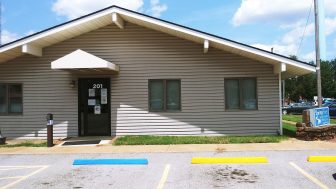
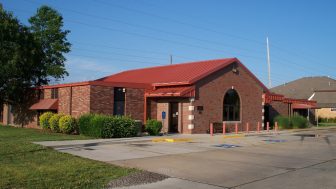
DCCCA Elm Acres Recovery Services
1102 South Rouse Street
Pittsburg, KS 66762
 Sponsored
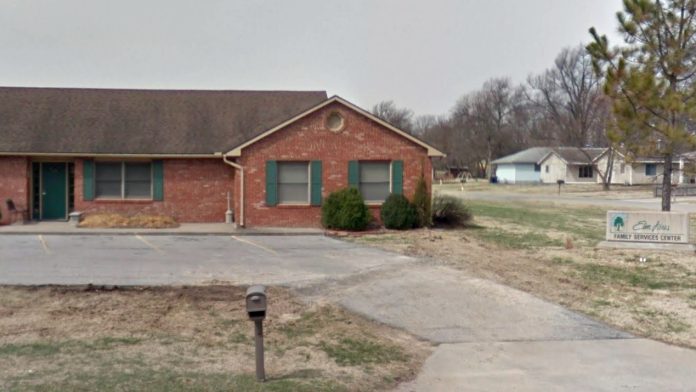
About DCCCA Elm Acres Recovery Services
DCCCA operates behavioral health clinics throughout Kansas, including the Elms Acres Recovery Services location in Pittsburg. This clinic provides outpatient mental health and substance use treatment to adults and adolescents. They also train community organizations about substance use prevention and provide child placement services.
DCCCA accepts Medicaid and most insurance plans. If your insurance plan doesn’t cover DCCCA, the staff will refer you to an organization that is covered by your insurance. If you don’t have insurance, you may qualify for financial assistance.
Outpatient Treatment Services in Pittsburg
Elms Acres Recovery Services can administer evaluations to determine if you have a substance use disorder. They also deliver individual and group counseling for mental health and substance use.
I noticed that they provide addiction treatment for adolescents and teens as well. This age group has unique concerns that are different than what adults face. For example, a teen program will talk about navigating school expectations and college in healthy ways, building strong relationships and managing peer pressure.
The goal in both the teen and adult programs is to equip clients with the ability to understand their substance use and what is at the root of it. They also want to help you process any experiences that caused trauma and give you healthy coping mechanisms so you can make wise and productive choices going forward.
What to Bring to Your Appointment
Once you make an appointment, you’ll need to bring your ID and insurance card with you. If you don’t have coverage and are interested in financial help, be sure to bring documents that prove your income level and residence.
I appreciate that DCCCA aims to provide a full continuum of care, and Elms Acres Recovery Services is a key part of that in Crawford County.
Addiction Treatment Programs
Treatment plans at a young adult program in Kansas typically encompass counseling for addiction as well as co-occurring mental health disorders. Young adults who are struggling with anxiety, depression, PTSD, or ADHD can get help for these disorders as well as substance use disorders.
When an individual needs help with an addiction, they can find support at an adult program in Kansas. These treatment programs offer recovery services for men and women ages 18 and older.
Alcohol rehab in Kansas helps individuals who are struggling with alcohol use disorder learn about recovery, its benefits, and how to achieve it. Treatment focuses on motivation to change, skills to accomplish change, and how to maintain long-term success with sobriety.
Often, men’s rehab in Kansas offers treatment for substance use disorders as well as dual diagnosis treatment. These programs can help men who are facing PTSD, ADHD, depression, anxiety, and bipolar disorder.
Women’s rehab in Kansas provides gender-specific treatment and allows participants to connect with other women who understand their challenges. This targeted support can be beneficial for long-term recovery.
People often benefit from cognitive behavioral therapy in Kansas, as it teaches techniques for coping with negative thoughts, challenging emotions, and triggers. These exercises can be practiced on their own, so people in recovery have effective tools to maintain their sobriety.
Levels of Care
Kansas outpatient rehab often includes several types of therapy, such as group, individual, and family. You’ll attend several sessions per week, learning new skills and how to live a sober lifestyle. This treatment will continue for weeks, months, or even years, depending on your ongoing recovery needs.
A dual diagnosis treatment program in Kansas is best suited to meet the needs of those who have co-occurring disorders. If you suffer from anxiety, mood disorder, depression, or ADHD alongside addiction, dual diagnosis treatment will effectively treat both disorders.
Once you’ve completed early phases of treatment, aftercare rehab in Kansas provides continued support. As you begin to face challenges of everyday life, this program gives you the tools you need to meet them. Ongoing counseling, support groups, and financial guidance are common aspects of aftercare, which may continue for a year or more after initial treatment.
Accreditations
Contact Information


 Sponsored