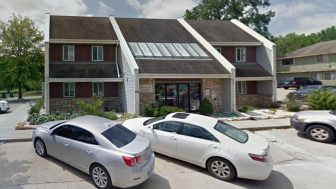
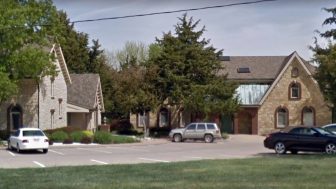
First Step at Lake View (Women)
3015 W 31st St
Lawrence, KS 66047
 Sponsored
About First Step at Lake View (Women)
DCCCA offers residential inpatient treatment, detoxification, and outpatient treatment services for clients with substance use disorders and co-occurring mental health disorders. They have long term and short term residential care, as well as partial hospitalization programs (PHP).
Clients can pay out of pocket for services, or they can use Medicaid, military insurance, such as TRICARE, or other private health insurance plans. They offer several programs at various locations, including the First Step at Lake View in Lawrence, Kansas.
Unique Addiction Treatment Program for Women in Lawrence
DCCCA First Step at Lake View is a women’s only residential treatment facility located near the St. Lawrence Trafficway and US Route 59. The facility is close to a beautiful lake that provides a serene environment conducive to recovery. There are also community resources that may be integrated into a recovery program.
The program serves adult women 18 and over. This includes pregnant and postpartum women. They treat those who’ve experienced domestic violence, sexual abuse, and other traumas, as well as women referred from the judicial and court systems.
I think clients will appreciate that they can bring their children with them to the program. There’s a licensed daycare facility onsite, so women don’t have to leave their children to receive addiction treatment. They also have detox beds available.
I noticed that the clients stay in semi private rooms with a shared bathroom. They can see their children during leisure time, meal times, and bedtime. Staff model parenting skills as the moms learn to parent their children without substances.
Therapeutic Gardening Program for Addiction Treatment
Another unique aspect of the program is the therapeutic gardening program. There are gardens and greenhouses on the grounds. This program promotes self sufficiency and healing while teaching useful skills.
The program also incorporates traditional treatment therapies and mental health services. They’re given a case manager and spend time in social skills training.
One client has this to say about the program, “DCCCA has helped me more than any other treatment I’ve been in. It’s the only treatment I’ve had that got me to quit doing drugs and alcohol completely.”
Addiction Treatment Programs
Treatment plans at a young adult program in Kansas typically encompass counseling for addiction as well as co-occurring mental health disorders. Young adults who are struggling with anxiety, depression, PTSD, or ADHD can get help for these disorders as well as substance use disorders.
When an individual needs help with an addiction, they can find support at an adult program in Kansas. These treatment programs offer recovery services for men and women ages 18 and older.
Alcohol rehab in Kansas helps individuals who are struggling with alcohol use disorder learn about recovery, its benefits, and how to achieve it. Treatment focuses on motivation to change, skills to accomplish change, and how to maintain long-term success with sobriety.
Often, men’s rehab in Kansas offers treatment for substance use disorders as well as dual diagnosis treatment. These programs can help men who are facing PTSD, ADHD, depression, anxiety, and bipolar disorder.
Women’s rehab in Kansas provides gender-specific treatment and allows participants to connect with other women who understand their challenges. This targeted support can be beneficial for long-term recovery.
The most common types of opioid rehab in Kansas are detox, inpatient, intensive outpatient, and support groups. Each use evidence-based therapies to teach strategies for overcoming addiction and maintaining long-term sobriety.
People often benefit from cognitive behavioral therapy in Kansas, as it teaches techniques for coping with negative thoughts, challenging emotions, and triggers. These exercises can be practiced on their own, so people in recovery have effective tools to maintain their sobriety.
No single drug rehab in Kansas is right for everyone. Length, intensity, setting, and treatment methods vary. These can be tailored to meet each person’s needs. With the right program, individuals can successfully end their drug dependency and achieve long-term recovery.
Rational emotive behavioral therapy in Kansas focuses on the present moment rather than the past. It is action-oriented, helping the individual identify and replace maladaptive beliefs that are contributing to substance use and addiction.
Levels of Care
Kansas outpatient rehab often includes several types of therapy, such as group, individual, and family. You’ll attend several sessions per week, learning new skills and how to live a sober lifestyle. This treatment will continue for weeks, months, or even years, depending on your ongoing recovery needs.
A dual diagnosis treatment program in Kansas is best suited to meet the needs of those who have co-occurring disorders. If you suffer from anxiety, mood disorder, depression, or ADHD alongside addiction, dual diagnosis treatment will effectively treat both disorders.
Once you’ve completed early phases of treatment, aftercare rehab in Kansas provides continued support. As you begin to face challenges of everyday life, this program gives you the tools you need to meet them. Ongoing counseling, support groups, and financial guidance are common aspects of aftercare, which may continue for a year or more after initial treatment.
Inpatient rehab in Kansas involves participation in group, individual, and other types of therapy in a medically supervised setting. Treatment may also include medication management and holistic therapies. It requires living at the drug rehab for the duration of treatment.
Drug rehab in Kansas typically begins with detox. This process can last up to a week. During that time, you’ll receive 24/7 supervision and medical assistance to cleanse your body of all addictive substances.
As a bridge between rehab and independent living, sober living in Kansas typically lasts five to eight months. However, you can decide when you’re ready to move to the next step in your recovery journey. While in this setting, you’ll reside with others in recovery at a private home, adhering to house rules and attending 12-step meetings.
Intervention services are often necessary to encourage a loved one to enter drug rehab in Kansas. These services offer assistance with intervention planning and facilitating, access to resources for developing a treatment plan, and guidance in the admittance process.
Accreditations
Contact Information


 Sponsored