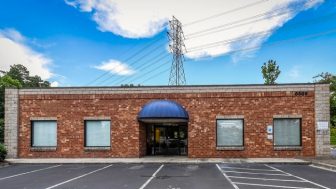
Crisis Recovery Center
1408 East Franklin Street
Monroe, NC 28112
 Sponsored
About Crisis Recovery Center
Monroe Crisis Recovery Center is a facility with 16 beds that offers short-term inpatient care for adults experiencing mental health or substance use crises. This facility offers medically supervised detox for substance use disorders, induction for medication assisted treatment and medication adjustments and stabilization. They’re located in a quiet corner of Monroe in Union County, North Carolina. Their location offers easy access to private and public transportation.
Their crisis intervention can be helpful if you or your loved one is having severe mental health or substance use disorder. In such situations, they’ll offer emotional support and guidance to help you regain stability and take the first steps toward recovery.
Medically supervised detox may be provided if it’s a substance use issue. This normally involves 24/7 medication to ease withdrawal symptoms alongside nursing care for monitoring and support. Medication management service is also provided to promote a safe and effective withdrawal. The physician may also offer medication adjustments when necessary. This involves fine tuning your meds to find the right dosage and type that works best for you. It’s all about ensuring that withdrawal is as painless as possible.
The facility has an interdisciplinary team of expert clinicians, physicians and nurses that offers 24/7 supervision to ensure smooth recovery. You may also attend individual and group counseling as well as therapy groups to handle the psychological aspect of things during this process. Family counseling is available on request. You’ll attend support groups like NA/AA meetings as well.
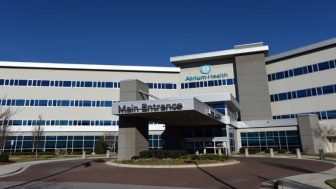
Once you stabilize, they may facilitate your transition back into the community or refer you to providers within the community that offer the most appropriate level of care after detox. There are nearby centers for primary care, like Atrium Health Union, that are close by.
MAT induction will be the most appropriate intervention if it’s an opioid use crisis. This is normally the first stage in medication assisted treatment for opioid use. Their physicians will assess your symptoms and prescribe the right FDA-approved meds to ease withdrawal and physiological cravings. You’ll be closely monitored to make sure the medication is working and adjusted as needed. The goal is to help you feel stable so you can focus on recovery.
Monroe Crisis Recovery Center accepts Medicaid and Medicare. Sliding fee scale payment option is available for the uninsured.
Amenities
Private drug rehab provides a comfortable, secure environment that allows you to focus on doing the work to get your life back on track. Benefits include a higher staff-to-client ratio, increased one-on-one time with therapists and healthcare providers, private rooms for clients, and customized forms of therapy.
Addiction Treatment Programs
An adult program in North Carolina typically combines individual and group counseling, medical treatment, and various other therapies to treat substance use disorders. Treatment can take place in an inpatient or outpatient setting.
Alcohol rehab in North Carolina is a course of treatments that helps participants overcome alcohol dependency. Treatments address physical, mental, and emotional aspects of substance use disorder and help the individual develop healthy habits for long-term recovery.
Many therapists use cognitive behavioral therapy in North Carolina to treat substance use disorders. This goal-oriented method addresses maladaptive thinking and related beliefs that affect behaviors and can lead to addiction.
Men’s rehab in North Carolina offers customized treatment for men. These programs provide personalized treatment that is designed with the unique needs of men in mind.
To overcome opioid addiction, attend opioid rehab in North Carolina. Treatment takes place in inpatient or outpatient care, using a variety of therapies, medications, and other helpful interventions. Length of treatment caries, typically lasting 30, 60, or 90 days.
Elderly rehab in North Carolina provides specialized treatment for addiction among adults ages 55 and older or 65 and older. This treatment typically addresses dual diagnosis, substance use disorder, and age-specific concerns of seniors.
Women’s rehab in North Carolina allows women to receive gender-specific treatment tailored to their needs. Programs are available for alcohol, heroin, prescription drugs, benzos, and any other addictive substances, as well as co-occurring disorders.
When individuals participate in a young adult program in North Carolina, they feel more at ease in a setting that is age-appropriate. Activities, therapies, and aesthetics are all tailored for this age group, so participants can feel comfortable and are more likely to complete the program.
Levels of Care
Nearly all drug rehabs in North Carolina begin with a detox program. When this process is complete, all addictive substances will be purged from your body. You can then move on to the next steps of drug rehab in North Carolina.
When you choose inpatient drug rehab in North Carolina, you’ll live at a rehab facility for 28 to 90 days, depending on the program. Typical methods of treatment include group and individual therapy and family counseling.
Aftercare rehab in North Carolina is a crucial part of relapse prevention. It gives you access to resources that will help you manage stress and overcome life hurdles. Typical services include career coaching, financial guidance, and ongoing counseling and emotional support. These may continue for a few months or more than a year after initial rehab.
Some of the most common co-occurring mental health disorders include anxiety, depression, and eating disorders. When these are present alongside substance use disorder, dual diagnosis treatment in North Carolina is necessary to address both conditions.
Accreditations
Contact Information


 Sponsored