Crossroads Foundation
 Sponsored
About Crossroads Foundation
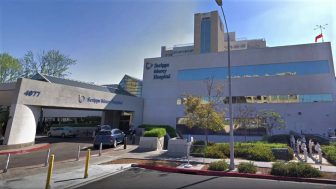
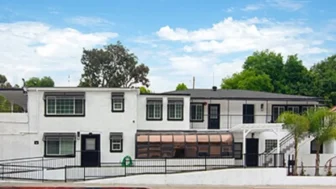
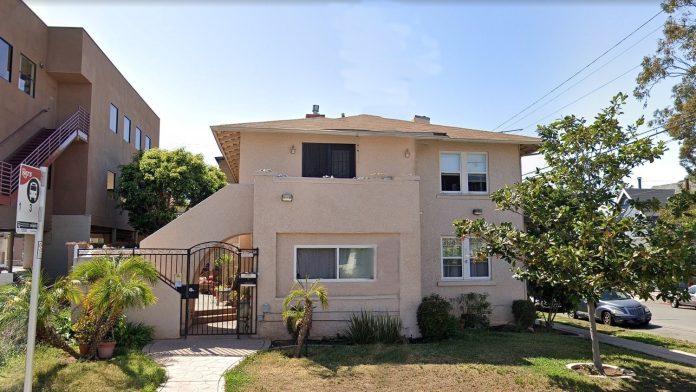
Crossroads Foundation is a California nonprofit residential recovery home in San Diego, offering inpatient-style treatment for adult women facing alcohol addiction, substance use disorders and behavioral health challenges.
The program, I've found, combines therapies like CBT, DBT and Motivational Interviewing with individualized care built around each woman's ASAM assessment.
As San Diego's first women's residential recovery home, Crossroads provides a safe, structured and nurturing environment focused on healing the mind, body and spirit.
Women's Residential Recovery in San Diego
Crossroads Foundation specializes in residential recovery for women 18 and older, welcoming up to 20 residents into an intimate, home-like community.
With roots dating back to 1957, the program pairs a strength based, holistic model with proven clinical approaches to support lasting recovery.
Residents, I've learned, take part in both group and individual sessions, working through relapse prevention, mindfulness and skills for managing daily life without substances.
Treatment addresses the underlying issues behind addiction while linking women to outside supports like 12 step programs, SMART Recovery and Wellbriety.
Inclusive, Whole-Person Care
Crossroads is committed to diversity, inclusivity and culturally competent programs, with an awareness of the unique challenges faced by LGBTQ+ and BIPOC communities.
The program also coordinates with community agencies for mental health, medical, dental and employment resources, encouraging integration through neighborhood volunteering and local events.
The program is funded through Drug Medi-Cal, and almost all client needs are met through program funding.
Amenities
Residential drug rehab provides the comforts of home with the therapeutic support needed to successfully recover. Benefits of an inpatient program include increased safety, a higher success rate, and the time and distance given to focus on recovery. Residential drug rehabs are often the preferred method of treatment, as they can be tailored to meet specific needs, offer focused therapeutic care, and provide the necessary tools to sustain recovery.
Taking time away from a demanding corporate job to attend drug rehab may seem impossible, but executive drug rehab programs combine cutting edge addiction treatment with executive amenities like Wi-Fi, access to computers, and conference calling so you can take care of your health and stay on top of business.
Addiction Treatment Programs
An adult program in California uses various therapeutic methods to treat a person who is dependent on an addictive substance. Individuals aged 18 and older are eligible for treatment, which focuses on breaking the cycle of addiction and learning how to maintain sober living.
Alcohol rehab in California provides professional treatment to guide participants through each step of recovery. Programs offer a support system to walk you through challenges and celebrate victories with you, from detox to long-term sobriety.
When a person is struggling with addiction, their actions and emotions may not be rational. Cognitive behavioral therapy in California helps individuals understand better why they feel and act certain ways and how those emotions and actions can lead to substance abuse.
The incidence of substance abuse and addiction is higher among the LBGTQ community. That’s why LBGTQ-friendly rehab in California is available, to offer specialized treatment that addresses the unique needs of individuals in this demographic.
Seniors face unique challenges that may contribute to substance use disorder and co-occurring disorders. Elderly rehab in California is designed to address these challenges to provide relevant and safe treatment for seniors.
Women’s rehab in California provides a safe environment where women can work through addiction challenges surrounded by their gender peers. This often creates an environment that is more conducive to recovery.
Typically, a young adult program in California can guide individuals from detox, through initial treatment, and extends to aftercare. Treatment gives young adults what they need to reset their lives and move to the next stage of life free from addiction.
Levels of Care
Unlike outpatient drug rehab, clients receiving inpatient rehab in California reside at the facility for the duration of the program. The length of stay may range from two weeks to 18 months or more, depending on the client's needs and the program’s design.
When you choose outpatient rehab in California, you will meet with a counselor and attend support group meetings. The focus will be on restructuring attitudes and thoughts to reduce cravings and develop skills to prevent relapse. The length of time in outpatient rehab varies by individual, based on their recovery needs.
Community support and relationship-building are key elements of aftercare rehab in California. You’ll receive recovery coaching, social support, and mentors to help you maintain sobriety after completing initial rehab treatment. This support will continue as long as you need it, which could be weeks or more than a year.
When you have a co-occurring disorder, it is essential to treat both your addiction and the mental health disorder. California dual diagnosis treatment provides this type of multidisciplinary approach, for improved recovery outcomes.
California sober living has been shown to reduce relapse and improve recovery. These programs offer highly-structured living environments for those who desire to remain sober. House rules usually include abstinence from substances, participation in 12-step meetings, and contribution to household responsibilities.
Accreditations
Contact Information


 Sponsored
Maygen Brockway, MTC, has more than 10 years of editing and writing experience. She’s written for the medical, wedding, fashion, and technical industries. She’s a poetry lover, coffee and whiskey drinker, social butterfly, and mom who lives in scenic Southern Utah. She has a Master’s in Technical Communication and loves writing.
Rehabs.org regularly reviews this listing for accuracy but changes may occur between updates. For the most up-to-date information, please contact Crossroads Foundation.