Vista Balboa Crisis Center
 Sponsored
About Vista Balboa Crisis Center
Vista Balboa Crisis Center, now known as Hawthorne Crisis Center, is a short term crisis residential treatment provider in San Diego, California offering a voluntary alternative to psychiatric hospitalization for adults in crisis.
Operating around the clock from its location on Laurel Street in Bankers Hill, the program provides psychiatric stabilization, counseling and medication management in a home like setting. The typical stay averages nine days giving clients focused support during acute mental health episodes.
What programs are offered?
The center provides short term acute residential treatment, a crisis residential program designed for adults 18 and older experiencing psychiatric crisis. Services include behavioral health and psychiatric evaluations, medication management, individual and group counseling, milieu therapy, life skills education and discharge planning.
Integrated substance use treatment is available for clients with co-occurring addiction concerns when mental health is the primary focus.
Who can get help here?
The program serves adults 18 and older in psychiatric crisis who are willing to participate voluntarily. Clients may have co-occurring substance use conditions and medical conditions must be stable enough to be managed at an outpatient level.
Where is the facility located?
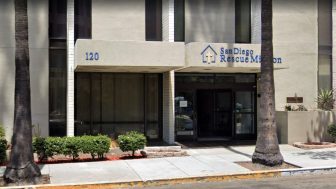
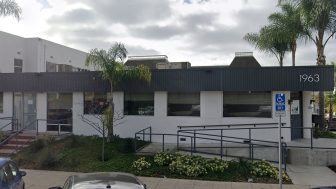
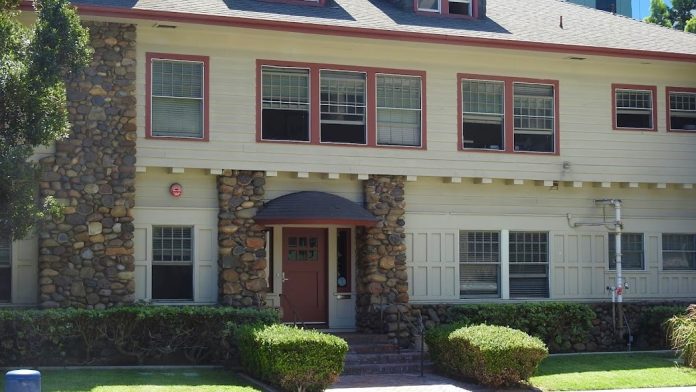
Vista Balboa Crisis Center is in Bankers Hill, adjacent to Balboa Park in San Diego, California. I like how the home like setting supports stabilization and recovery in a comfortable and less restrictive environment.
Does the program accept Medi Cal?
Yes, the center accepts Medi-Cal, Medi-Cal eligible individuals and uninsured clients. Funded by the County of San Diego, I want to add that no one is denied services based on inability to pay.
Amenities
Residential drug rehab provides the comforts of home with the therapeutic support needed to successfully recover. Benefits of an inpatient program include increased safety, a higher success rate, and the time and distance given to focus on recovery. Residential drug rehabs are often the preferred method of treatment, as they can be tailored to meet specific needs, offer focused therapeutic care, and provide the necessary tools to sustain recovery.
In order to maintain a sense of autonomy, many private rehab facilities offer clients the ability to choose their own private rooms. The privacy and personal space ensure that the recovery process is as comfortable as possible.
Addiction Treatment Programs
Typically, a young adult program in California can guide individuals from detox, through initial treatment, and extends to aftercare. Treatment gives young adults what they need to reset their lives and move to the next stage of life free from addiction.
An adult program in California uses various therapeutic methods to treat a person who is dependent on an addictive substance. Individuals aged 18 and older are eligible for treatment, which focuses on breaking the cycle of addiction and learning how to maintain sober living.
When a person is struggling with addiction, their actions and emotions may not be rational. Cognitive behavioral therapy in California helps individuals understand better why they feel and act certain ways and how those emotions and actions can lead to substance abuse.
Seniors face unique challenges that may contribute to substance use disorder and co-occurring disorders. Elderly rehab in California is designed to address these challenges to provide relevant and safe treatment for seniors.
Levels of Care
When you choose outpatient rehab in California, you will meet with a counselor and attend support group meetings. The focus will be on restructuring attitudes and thoughts to reduce cravings and develop skills to prevent relapse. The length of time in outpatient rehab varies by individual, based on their recovery needs.
Unlike outpatient drug rehab, clients receiving inpatient rehab in California reside at the facility for the duration of the program. The length of stay may range from two weeks to 18 months or more, depending on the client's needs and the program’s design.
California sober living has been shown to reduce relapse and improve recovery. These programs offer highly-structured living environments for those who desire to remain sober. House rules usually include abstinence from substances, participation in 12-step meetings, and contribution to household responsibilities.
When you have a co-occurring disorder, it is essential to treat both your addiction and the mental health disorder. California dual diagnosis treatment provides this type of multidisciplinary approach, for improved recovery outcomes.
Accreditations
Accepted Insurance




Contact Information


 Sponsored
Natalie is a recent graduate of Purdue University, where she studied psychology and creative writing. Every morning, she’s fueled by a cup of tea and her passion for making sure mental health resources are accessible to everyone. In her spare time, she loves writing poetry by her window, where she can watch the sunrise.
Rehabs.org regularly reviews this listing for accuracy but changes may occur between updates. For the most up-to-date information, please contact Vista Balboa Crisis Center.