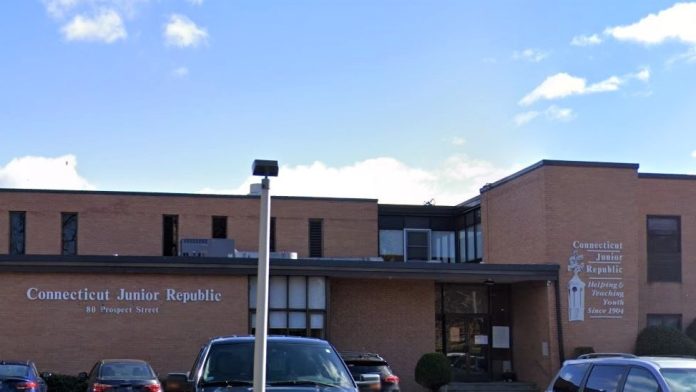
Connecticut Junior Republic
80 Prospect Street
Waterbury, CT 06702
 Sponsored
About Connecticut Junior Republic
The Connecticut Junior Waterbury center, located at 80 Prospect Street in Waterbury, is part of a broader network of CJR campuses. They are dedicated to providing comprehensive behavioral health services for children and adolescents and their families. The Waterbury site sits in the heart of the city, not far from the Mattatuck Museum and the scenic Fulton Park Area, an urban space with access to nature.
Four Pillars of Transformation
Across all locations, the mission is simply but powerful: Nurturing Change. Creating Possibilities. I respect how this is more than a slogan. It shows up in how CJR structures their programming and the services they offer, which are focused on four key areas: wellness, community, education, and residential.
Cable Academic and Vocational Education Centers at CJR (CAVEC) offer state-approved academic and vocational programs tailored to diverse learning needs, while staying connected to each student’s school district. Wellness centers deliver behavioral and mental health care, empowering teens to develop healthy habits and achieve personal growth.
CJR community programs offer early, accessible support in local settings, addressing challenges before they escalate and fostering long-term success at home and school. Residential services are available for clients seeking more structured, therapeutic healing environments as they reconnect with their families and the community.
A Proud Legacy of Community Support
I was impressed to learn about CJR's long history of community ties. Founded in 1904, the original site was created through the donation of a 150-acre homestead in Litchfield, Connecticut, to provide care for disadvantaged local boys.
Since that time, CJR has expanded to 32 programs across 10 locations in the state. Last fiscal year, CJR served more than 2,400 kids and teens from 90+ Connecticut cities and towns.
Local Impact and Client Feedback
From reviews of CJR, I get the sense this facility isn’t trying to be all things to all clients. It’s focused, intentional and deeply connected to the community.
Several reviewers on Google mention the supportive counselors and success in reaching kids who have “fallen through the cracks” at other facilities. One parent wrote their child, “finally found a place where someone listened.”
Addiction Treatment Programs
Alcohol rehab in Connecticut is not a one-size-fits-all solution. That’s why a variety of programs and treatment methods are available to meet you where you are. Through personalized treatment, alcohol rehab is designed to help you achieve sobriety and maintain long-term recovery from alcohol use disorder.
In Connecticut, cognitive behavioral therapy helps individuals identify impulsive thoughts and feelings of fear and self-doubt. It equips them to manage these negative thoughts and feelings without the use of substances.
Adults who attend men’s rehab in Connecticut have the opportunity to connect with other men who are struggling with similar addiction issues. This is important for recovery, as men are often more comfortable talking about their struggles with other men.
When you attend opioid rehab in Connecticut, you’re provided with the tools that are necessary to break free from opioid addiction. Treatment offers accountability, structure, and a sense of community. Methods typically include medication assisted treatment, individual therapy, and group counseling.
Women often find it easier to work through their addiction issues in women’s rehab in Connecticut. Surrounded by other women who understand their struggles, they can feel free to share openly and find support.
If you are looking for a young adult program in Connecticut, many options are available. Programs include inpatient, partial hospitalization programs (PHP), intensive outpatient programs (IOP), outpatient, aftercare, and dual diagnosis.
Levels of Care
Many individuals turn to outpatient rehab in Connecticut after they complete an inpatient program. This treatment is less intensive and usually involves attending several counseling sessions per week and attending a support group such as NA or AA. Outpatient rehab may be short or long-term, depending on the needs of the individual.
When you have a co-occurring disorder, you have both a substance abuse disorder and a mental health disorder. Dual diagnosis in Connecticut specializes in treating both conditions simultaneously, which is crucial for successful recovery.
Once you’ve completed rehab treatment, you must learn how to manage stress and life challenges without relapsing. Aftercare rehab in Connecticut is designed to provide the support you need for this process. It may include financial, educational, career, social, and mental support. Many people remain in this care for a year after initial recovery.
Inpatient drug rehab in Connecticut is the most intensive level of care for addiction treatment. Upon admission, they engage in extensive psychotherapy, receive recovery-focused life skills training, and participate in evidence-based complementary therapies, such as meditation, massage, acupuncture, and/or animal, creative arts, recreational, and experiential therapy.
Drug rehab in Connecticut typically starts with detox. This is the process of ridding your body of all addictive substances. This happens under supervision, so medical staff can treat withdrawal symptoms and help you through the process.
Sober living in Connecticut offers an interim step for the first few months of your recovery journey. It involves living in a supervised, sober residence that has structured rules and required 12-step meetings. Typical house rules include no drugs or alcohol, random drug tests, and involvement in work, school, or an outpatient rehab program.
Contact Information


 Sponsored