
Concordance St. Louis Center
 Sponsored
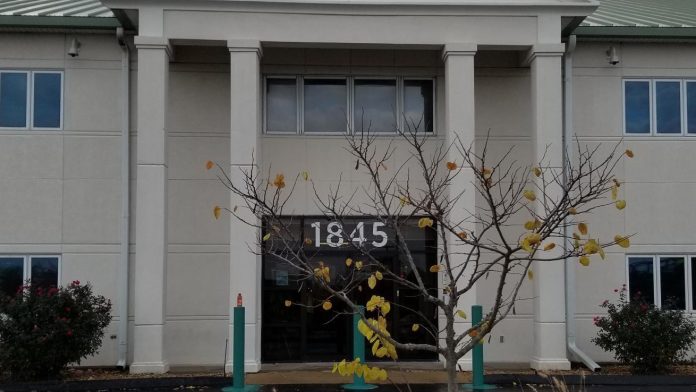
About Concordance St. Louis Center
People returning from prison can get treatment at Concordance, a treatment program in St. Louis, Missouri. It's a re entry program that includes substance use treatment and mental health care and the substance use support includes 12 step programming.
When both are in one program I found that the care stays with one team.
Enrollment Rules in St. Louis
I noted that you can get into Concordance with a referral from the Department of Corrections or you can refer yourself.
Support can begin as early as six months before you leave and it continues after you get out. The first part of treatment happens while you're still inside.
The program includes twelve services and the staff includes therapists and case managers. They offer peer support specialists and others on the team. Practical needs are part of what the team addresses, together with mental, emotional and physical needs.
The St. Louis center was founded in 2015 and welcomed its first participants in 2016. Nearly 2,800 people have enrolled since then and it holds CARF accreditation.
Amenities
Private drug rehab provides a comfortable, secure environment that allows you to focus on doing the work to get your life back on track. Benefits include a higher staff-to-client ratio, increased one-on-one time with therapists and healthcare providers, private rooms for clients, and customized forms of therapy.
Recreational therapy uniquely combines therapeutic interventions with an activity, like horse-riding, hiking, wilderness therapy, basketball, tennis, or a full workout. Benefits of recreational therapy include providing a healthy way to work through the emotions of recovery, learning to build and maintain relationships, improving communication skills, and building self-esteem.
Yoga and meditation are great activities to support your recovery process during alcohol or drug rehab. These therapies have been around for centuries, and they are an effective way to improve well-being. Combining addiction treatment, yoga, and meditation can reduce cravings, improve sleep, relieve anxiety and depression, provide stress relief, promote relaxation, support emotional healing, and improve energy levels.
In order to maintain a sense of autonomy, many private rehab facilities offer clients the ability to choose their own private rooms. The privacy and personal space ensure that the recovery process is as comfortable as possible.
Addiction Treatment Programs
Addiction treatment for young adults focuses on patients in a unique stage of life. Each young adult program in Missouri offers therapies and activities that are customized to individuals in their teens and twenties.
An adult program in Missouri offers hope to individuals struggling with substance use disorders. Through a variety of therapy methods, these programs treat the disorder and help adults enter and maintain recovery.
The goal of each alcohol rehab in Missouri is to provide effective recovery treatment for alcohol use disorder. To ensure long-term success, treatment includes creating a network of support to help individuals maintain their sobriety after initial rehab is complete.
Treatment at men’s rehab in Missouri is designed to give men the tools they need to cope with challenges, deal with cravings, and live a sober life. Treatment is focused on the unique challenges and root causes of addiction for each man.
Women searching for an addiction treatment program can benefit from women’s rehab in Missouri. These programs offer treatment plans specifically tailored to address issues women face.
Opioid rehab in Missouri typically starts with a medically supervised detox program or medication assisted treatment (MAT) program. Once this stage is completed, participants enter an inpatient or outpatient program that is best suited to meet their unique needs.
Drug rehab in Missouri usually involves several phases: detox, rehab, and aftercare. The rehab phase may include a combination of inpatient and outpatient treatments, as the individual moves through a continuum of care on their recovery journey.
Maintaining a focus on treating the whole person, elderly rehab in Missouri addresses medical, psychological, and family issues as they relate to seniors struggling with addiction. Treatment is geared toward older adults, offering relevant strategies for this age bracket.
Levels of Care
When you enter outpatient rehab in Missouri, a recovery expert will evaluate your needs and help you develop a personalized treatment plan. This typically includes one-on-one visits with therapists, group therapy, and support group meetings. The length of outpatient rehab will be determined by your recovery needs.
Mental and behavioral health treatment runs with substance use treatment. The 18-month program starts before a person leaves prison.
A care team can also start up to six months before release. Support then continues through post-release programming for each participant.
Accepted Insurance



Contact Information


 Sponsored
Patti Croft is a full-time writer who writes about accessing effective addiction treatment during the day but is also pursuing her dream of penning a novel in her spare time. She enjoys copious amounts of coffee as creative fuel and sharing an office with her adorable cat, Beau. Her background is in healthcare management, and she is a passionate advocate for mental health and addiction care.
Rehabs.org regularly reviews this listing for accuracy but changes may occur between updates. For the most up-to-date information, please contact Concordance St. Louis Center.
Nearby Treatment Centers

1224 Fern Ridge Parkway, Apt 305, St. Louis, MO 63141

621 S New Ballas Rd
Tower A Suite 693A
Saint Louis, MO 63141
970 Executive Parkway Drive
St. Louis, MO 63141
11477 Olde Cabin Road
Suite 210
St. Louis, MO 63141
Popular Missouri Cities
More Cities View Other Missouri CitiesFAQs
What kind of care does Concordance St. Louis Center offer?
It’s an 18-month program that starts before release from prison. Care covers mental and behavioral health treatment and substance use treatment. Intensive outpatient programming is first. Participants meet regularly with a licensed clinician through full-time employment. A care team can start up to six months before release and stay through post-release programming. That mix is co-occurring disorders care.
Who can get into this re-entry program?
Eligible participants approaching release can get in. The Department of Corrections helps identify eligible participants. Self-referral works too. This is re-entry support, before release and after it, for people who have been justice-involved.
How long does support last around release?
Support can start up to six months before release and continue through post-release programming. It begins with intensive outpatient programming. Participants meet regularly with a licensed clinician, and that keeps going through full-time employment. The program is re-entry support before release and after it.
Which therapies does the substance use support include?
Recovery care, therapy sessions and a 12-step track are part of the program. Separate evidence-based work looks at relationships, decision making and mental well-being. Related reading covers addiction therapy options. The setting is re-entry support, before release and after it.
Who works with participants day to day?
A team works together on a regular basis. Each person gets coordinated care covering mental, emotional, physical and practical needs. The program is re-entry support before release and after it, for people who have been justice-involved.
