
CHC Addiction Services – RAMAR
 Sponsored
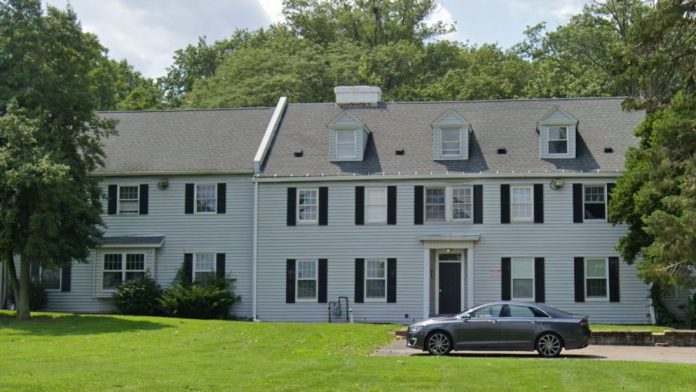
About CHC Addiction Services – RAMAR
CHC Addiction Services RAMAR is an addiction treatment center in Akron, Ohio. It’s a residential program for men, and monitoring is around the clock.
Does RAMAR accept Medicaid?
RAMAR accepts Medicaid and Medicare, and private pay is also an option. You can include Medicaid and Medicare when you plan the cost of the stay. If you live in Summit County and you’re uninsured or underinsured, you qualify for a sliding fee scale.
Who can stay at RAMAR?
RAMAR takes men only, from age 18 up, with room for up to 24, and the stay runs 60 to 90 days. Those weeks are time at the center, so a workday doesn’t fit the way it would with outpatient care.
The center can offer methadone, buprenorphine (a medication for opioid use disorder) and Vivitrol, and psychiatry is available in person and by telehealth. An employment specialist and a housing coordinator are on site, and vocational programming is offered.
The center is in west Akron.
Amenities
Private drug rehab provides a comfortable, secure environment that allows you to focus on doing the work to get your life back on track. Benefits include a higher staff-to-client ratio, increased one-on-one time with therapists and healthcare providers, private rooms for clients, and customized forms of therapy.
Residential drug rehab provides the comforts of home with the therapeutic support needed to successfully recover. Benefits of an inpatient program include increased safety, a higher success rate, and the time and distance given to focus on recovery. Residential drug rehabs are often the preferred method of treatment, as they can be tailored to meet specific needs, offer focused therapeutic care, and provide the necessary tools to sustain recovery.
Recreational therapy uniquely combines therapeutic interventions with an activity, like horse-riding, hiking, wilderness therapy, basketball, tennis, or a full workout. Benefits of recreational therapy include providing a healthy way to work through the emotions of recovery, learning to build and maintain relationships, improving communication skills, and building self-esteem.
In order to maintain a sense of autonomy, many private rehab facilities offer clients the ability to choose their own private rooms. The privacy and personal space ensure that the recovery process is as comfortable as possible.
Wilderness rehab programs offer all the benefits of a traditional drug rehab, but with the added benefits of outdoor adventure. Venture out into the forest to learn new skills, explore the beauty of nature, and relieve stress. Engaging in wilderness activities is a great way to gain self-discovery and release negative emotions.
When used as part of an evidence-based treatment plan, basketball can boost physical and mental health, lead to sharper thinking, and facilitate improved self-esteem. Drug rehabs with a basketball court also place a focus on teamwork and cooperation.
Yoga and meditation are great activities to support your recovery process during alcohol or drug rehab. These therapies have been around for centuries, and they are an effective way to improve well-being. Combining addiction treatment, yoga, and meditation can reduce cravings, improve sleep, relieve anxiety and depression, provide stress relief, promote relaxation, support emotional healing, and improve energy levels.
Addiction Treatment Programs
A young adult program in Ohio ensures participants receive the most appropriate treatment. Therapies and activities are customized to meet the needs of young people in their teens and twenties.
The Rocco Antenucci Memorial Adult Residential Center, called RAMAR, opened in 1983 and holds up to 24 men aged 18 and over.
Alcohol rehab in Ohio provides a support community that can help you overcome addiction. Through a network of support and professional interventions, you can address issues contributing to alcohol abuse and start on the path to recovery.
RAMAR is a men's program: up to 24 residents aged 18 and over, in a 60 to 90 day stay built around intensive counseling and monitoring.
Often, women suffer from both substance use disorder and a co-occurring mental health disorder. Women’s rehab in Ohio can treat both, which is called dual diagnosis treatment.
Ohio residents who are struggling with opioid use disorder can find support at opioid rehab in Ohio. These specialized treatment centers address the unique challenges of opioid dependence through medication assisted treatment, supervised detox, and evidence-based therapies.
Distorted, negative thought patterns can lead to negative behaviors such as substance abuse. Cognitive behavioral therapy in Ohio addresses these negative thoughts to help individuals make positive changes.
Drug rehab in Ohio provides comprehensive treatment to address the physical and psychological needs of those struggling with substance use disorders. This may involve inpatient and/or outpatient care.
If your addiction treatment includes rational emotive behavioral therapy in Ohio, the therapist will take on the role of educator and teacher. The therapists uses this model to empower individuals to identify and replace irrational beliefs. Sessions usually last for one hour and may continue for a few weeks or up to one year.
Animal & equine therapy are evidence-based complementary therapies drawing on the emotional, psychological, and physiological benefits of regular contact with animals. Addiction recovery programs may incorporate the care of therapy dogs, cats, horses, and other animals into their treatment model to support clients’ development of recovery-focused life skills, including personal responsibility, time management, and empathy. Contact with therapy animals may reduce stress, enhance mood, decrease depression and anxiety, and increase clients’ self-esteem and sense of wellbeing.
Assertive Community Treatment (ACT) is an integrative, community-based care strategy designed to address the needs of persons with severe and/or complex mental illness or behavioral disorders. ACT is typically provided by a multidisciplinary team of medical and mental health care providers, social workers, therapists, and other specialists, including addiction recovery professionals. These services are frequently provided in the home and community to clients in crisis, those who are clinically unstable, and those who are unable or unwilling to travel to a hospital or clinic for in-person treatment.
Levels of Care
During outpatient rehab in Ohio, you’ll develop sober-living skills and learn how to live a sober lifestyle. This happens through regular meetings with a recovery expert and involvement in a 12-step program. Your outpatient treatment can continue for as long as you need it, from weeks to years.
Dual diagnosis treatment here treats mental health symptoms, and medical intervention is known by the center as important for supporting them.
Ongoing counseling and support are necessary to maintain sobriety after initial treatment. Aftercare rehab in Ohio provides this support. You’ll have access to resources that help you navigate challenges and prevent relapse. Most people in recovery tap into these resources for at least a few months, and many remain in aftercare for more than a year.
Residential care at RAMAR runs 60 to 90 days for men, with intensive counseling and around the clock monitoring built into the stay.
When you enter drug rehab in Ohio, detox is your first step toward recovery. Detox involves slowly and safely purging your systems of all addictive substances. This happens under 24/7 supervision and may include medication for withdrawal.
If you need extra support during early recovery, sober living in Ohio may be a good option for you. You can stay in a sober living home for as long as you need the accountability and stability. Once people have maintained sober living for several months, they typically move out and live on their own.
Professional intervention services in Ohio can make the difference in convincing your loved one to get the help they need. Intervention staff can facilitate an intervention and follow-up with valuable resources for the development of an effective treatment plan.
Partial hospitalization programs (PHPs) in Ohio allow you to live in your own home while receiving multiple hours of onsite treatment several days per week. You can expect to participate in many of the same recovery groups, wellness activities, and social support meetings you would encounter in an inpatient setting.
Accreditations
Contact Information


 Sponsored
Mariah Bourne holds a Master of Arts in Community Social Psychology from the University of Massachusetts Lowell. With a background in addiction research, she now works as a freelance content writer. She’s dedicated to creating valuable resources for people seeking recovery from substance abuse.
Courtney Myers holds an MS in Technical Communication from N.C. State University. For more than 15 years, she’s worked as a writer and editor for clients across a range of industries. She specializes in addiction recovery and behavioral health, creating content to help individuals find the care they need.
Rehabs.org regularly reviews this listing for accuracy but changes may occur between updates. For the most up-to-date information, please contact CHC Addiction Services – RAMAR.
Nearby Treatment Centers

Popular Ohio Cities
More Cities View Other Ohio CitiesFAQs
Does RAMAR take Medicaid and Medicare?
Yes. Medicaid and Medicare are both accepted, and so are private pay and some commercial insurance plans. Summit County residents who are uninsured or underinsured can use a sliding fee scale.
What levels of care are offered at RAMAR?
Residential care is the core: 60 to 90 days with around the clock monitoring. Medication assisted treatment covers methadone, buprenorphine and Vivitrol, an intensive outpatient program is also offered, and dual diagnosis care is part of the program.
Who can stay at CHC Addiction Services RAMAR?
Men aged 18 and over. RAMAR holds up to 24 men at a time, and it takes residents from a wide range of ages and backgrounds.
How long does someone stay at RAMAR?
60 to 90 days. That’s the length of the residential program, which is set up for men who need intensive counseling and monitoring around the clock.
What therapy is included in RAMAR's program?
Counseling, psychiatry, art therapy, case management, peer support and vocational programming are all on the list. Programs are built around trauma informed care, with safety, choice, collaboration and trustworthiness named as principles, and residents can attend self help groups in the community.
