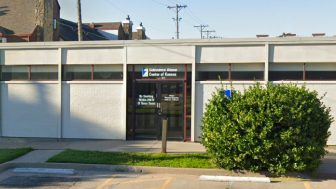
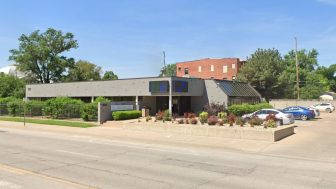
Comcare
940 N Waco Ave
Wichita, KS 67203
 Sponsored
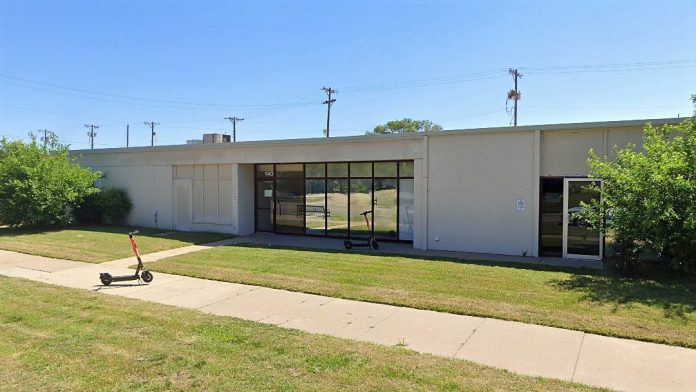
About Comcare
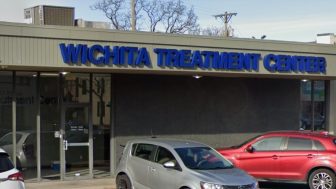
COMCARE of Sedgwick County Addiction Treatment Services is located in Wichita, Kansas. This is a community healthcare facility that provides comprehensive behavioral health care to individuals aged 18 and older. They provide a broad range of services if you’re struggling with your mental health or have a substance use disorder.
Care is offered in an outpatient setting and includes evaluations, assessments and individualized treatment plans. They also have criminal justice referral treatment programs for individuals involved in the criminal justice system because of a drug related charge.
COMCARE has been serving Sedgwick County for over 50 years. During this time, they’ve touched on all facets of recovery including providing crisis intervention services and offering specialized children's services.
Their criminal justice services are especially helpful to individuals who are reintegrating back into society after facing drug related criminal charges. If this describes you, you won’t feel alone or unequipped to start leading a healthy life, despite your history.
There's a strong Native American culture here, and you'll find this reflected in the culturally competent care provided at COMCARE. They also provide services in Spanish, helping reduce obstacles for residents who need language support.
Located in the Grandview Heights suburb of Wichita, this treatment center is less than four miles from downtown Wichita. As you explore the town, you'll find the Native American influence in the town’s popular landmarks like The Wichita Gardens, The Keeper of the Plains statue and the Old Cowtown Museum.
The city has preserved its rich history but has grown to be an inviting and welcoming space for individuals of all backgrounds. You'll find this reflected in the diversity of the staff who work here. This will allow you to feel at ease when you begin your treatment.
Amenities
Private drug rehab provides a comfortable, secure environment that allows you to focus on doing the work to get your life back on track. Benefits include a higher staff-to-client ratio, increased one-on-one time with therapists and healthcare providers, private rooms for clients, and customized forms of therapy.
In order to maintain a sense of autonomy, many private rehab facilities offer clients the ability to choose their own private rooms. The privacy and personal space ensure that the recovery process is as comfortable as possible.
Addiction Treatment Programs
Treatment plans at a young adult program in Kansas typically encompass counseling for addiction as well as co-occurring mental health disorders. Young adults who are struggling with anxiety, depression, PTSD, or ADHD can get help for these disorders as well as substance use disorders.
When an individual needs help with an addiction, they can find support at an adult program in Kansas. These treatment programs offer recovery services for men and women ages 18 and older.
Alcohol rehab in Kansas helps individuals who are struggling with alcohol use disorder learn about recovery, its benefits, and how to achieve it. Treatment focuses on motivation to change, skills to accomplish change, and how to maintain long-term success with sobriety.
Often, men’s rehab in Kansas offers treatment for substance use disorders as well as dual diagnosis treatment. These programs can help men who are facing PTSD, ADHD, depression, anxiety, and bipolar disorder.
Women’s rehab in Kansas provides gender-specific treatment and allows participants to connect with other women who understand their challenges. This targeted support can be beneficial for long-term recovery.
The most common types of opioid rehab in Kansas are detox, inpatient, intensive outpatient, and support groups. Each use evidence-based therapies to teach strategies for overcoming addiction and maintaining long-term sobriety.
People often benefit from cognitive behavioral therapy in Kansas, as it teaches techniques for coping with negative thoughts, challenging emotions, and triggers. These exercises can be practiced on their own, so people in recovery have effective tools to maintain their sobriety.
No single drug rehab in Kansas is right for everyone. Length, intensity, setting, and treatment methods vary. These can be tailored to meet each person’s needs. With the right program, individuals can successfully end their drug dependency and achieve long-term recovery.
Rational emotive behavioral therapy in Kansas focuses on the present moment rather than the past. It is action-oriented, helping the individual identify and replace maladaptive beliefs that are contributing to substance use and addiction.
Levels of Care
Kansas outpatient rehab often includes several types of therapy, such as group, individual, and family. You’ll attend several sessions per week, learning new skills and how to live a sober lifestyle. This treatment will continue for weeks, months, or even years, depending on your ongoing recovery needs.
A dual diagnosis treatment program in Kansas is best suited to meet the needs of those who have co-occurring disorders. If you suffer from anxiety, mood disorder, depression, or ADHD alongside addiction, dual diagnosis treatment will effectively treat both disorders.
Accreditations
Accepted Insurance