
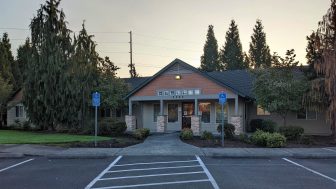
Columbia Community Mental Health: Main Office
58646 McNulty Way
St Helens, OR 97051
 Sponsored
About Columbia Community Mental Health: Main Office
Columbia Community Mental Health in Saint Helens, Oregon offers many different kinds of programs and supports for people of all ages. They provide both residential and outpatient substance abuse treatment. There is a discounted fee schedule based on family size and income and nobody will be denied access if they can't pay.
CCMH’s residential program takes place at their Pathways facility. Clients will get around the clock care and access to an intensive program to treat addiction. Each day has a very structured schedule that includes individual treatment, group sessions and other activities that promote sober living skills. The first step is to meet with a clinician to complete an ASAM assessment to find the right level of care for your needs.
All of their programs are focused on working with your strengths through a trauma-informed lens. They also have some peer services that can give you hope and clarity. CCMH also provides free gambling addiction treatment as well as analysis testing.
Amenities
Private drug rehab provides a comfortable, secure environment that allows you to focus on doing the work to get your life back on track. Benefits include a higher staff-to-client ratio, increased one-on-one time with therapists and healthcare providers, private rooms for clients, and customized forms of therapy.
Residential drug rehab provides the comforts of home with the therapeutic support needed to successfully recover. Benefits of an inpatient program include increased safety, a higher success rate, and the time and distance given to focus on recovery. Residential drug rehabs are often the preferred method of treatment, as they can be tailored to meet specific needs, offer focused therapeutic care, and provide the necessary tools to sustain recovery.
Recreational therapy uniquely combines therapeutic interventions with an activity, like horse-riding, hiking, wilderness therapy, basketball, tennis, or a full workout. Benefits of recreational therapy include providing a healthy way to work through the emotions of recovery, learning to build and maintain relationships, improving communication skills, and building self-esteem.
Art and music are mediums that connect with our feelings, making them a great recovery tool during addiction treatment. Studies show that combining art/music and drug rehab can have a greater therapeutic impact than drug rehab alone, as you’re able to access parts of your brain and body that you may not have access to during traditional talk therapy. Benefits of art/music therapy include lowering stress and anxiety, promoting healthy neurochemicals, and providing stress relief.
Transportation services are designed to ensure your addiction treatment begins and ends successfully by offering free transportation to the rehab facility, to and from your appointments during rehab, and back home upon program completion.
In order to maintain a sense of autonomy, many private rehab facilities offer clients the ability to choose their own private rooms. The privacy and personal space ensure that the recovery process is as comfortable as possible.
Addiction Treatment Programs
Choosing an age-specific rehab is beneficial because participants can interact with their peers. A young adult program in Oregon offers this opportunity, and it provides age-appropriate activities and therapies.
From detox to aftercare, each adult program in Oregon has one ultimate goal: recovery. These programs use a variety of treatment methods to help those struggling with substance use disorders break free from addiction.
Your recovery journey begins at alcohol rehab in Oregon. There, you’ll receive the tools you need to fight back against addiction. Through a variety of treatment methods and support, you’ll learn how to take your life back and head in a new, healthy direction.
Men can find it helpful to attend men’s rehab in Oregon to help them focus on their recovery goals and treatment program. The gender-specific treatment removes distractions that can be caused by the presence of females.
Female bodies are affected differently by substance abuse than male bodies. Women’s rehab in Oregon addresses these and other differences, to provide effective treatment for women.
During opioid rehab in Oregon, you may participate in a variety of therapies. Common methods include cognitive behavioral therapy, dialectical behavioral therapy, and group therapy. Many treatment programs address dual diagnosis and also provide aftercare support. The ultimate goal is abstinence from opioids for long-term recovery.
A guiding principle of cognitive behavioral therapy in Oregon is that people struggling with substance use disorder can learn how to cope in new ways and make positive changes. This treatment method empowers individuals with the skills to do so.
If you are struggling with substance use disorder, rational emotive behavioral therapy in Oregon targets beliefs that lead to negative behaviors. It can help you replace irrational beliefs and may be influencing your addiction.
Assertive Community Treatment (ACT) is an integrative, community-based care strategy designed to address the needs of persons with severe and/or complex mental illness or behavioral disorders. ACT is typically provided by a multidisciplinary team of medical and mental health care providers, social workers, therapists, and other specialists, including addiction recovery professionals. These services are frequently provided in the home and community to clients in crisis, those who are clinically unstable, and those who are unable or unwilling to travel to a hospital or clinic for in-person treatment.
Levels of Care
For many, outpatient rehab in Oregon is a natural next step after inpatient treatment. This less restrictive environment offers further counseling and support while you live at home. You’ll attend treatment sessions and 12-step meetings to provide accountability and continued growth, for as long as you need it.
When you struggle with both mental illness and addiction, these conditions aggravate each other. Dual diagnosis treatment in Oregon is important to treat both co-occurring disorders. Common methods include medication management and counseling.
Partnering with Oregon aftercare rehab services is one of the best things you can do after initial rehab treatment. Aftercare provides counseling, guidance, and practical supports as you begin your life of sobriety. This can last as long as you need it, which, for many, is a year or more.
For those who need a highly supervised drug rehab in Oregon, inpatient rehab offers 24/7 clinical care. You’ll live at the drug rehab facility while participating in various forms of individual and group therapy, along with other evidence-based psychotherapeutic approaches.
Detox in Oregon purges all addictive substances from your systems. During this initial phase of drug rehab in Oregon, you receive round-the-clock care, which may include medication to help with withdrawal.
After rehab treatment, sober living in Oregon offers a stable environment for those who don’t feel ready to live on their own. In a sober living home, you’ll agree to follow house policies, abstain from alcohol and drug use, and attend 12-step meetings. You can stay as long as you want, as long as you continue following all house rules.
Partial hospitalization programs (PHPs) in Oregon offer an intensive level of treatment similar to inpatient care, but without residing at the facility. You complete structured treatment sessions at a drug rehab facility during the day, then return home during non-treatment hours.
Accreditations
Accepted Insurance



Contact Information


 Sponsored
Nearby Treatment Centers

58646 McNulty Way
St Helens, OR 97051

17645 NW St Helens Rd
Portland, OR 97231
8280 Northeast Mauzey Court
Hillsboro, OR 97124

4713 N Albina Ave
UNIT 301
Portland, OR 97217
