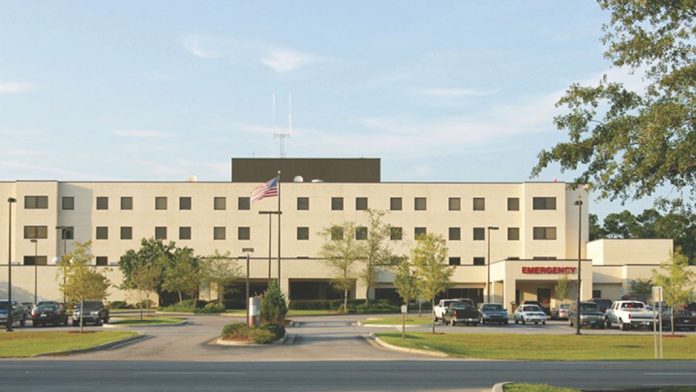
Colleton Medical Center
501 Robertson Boulevard
Walterboro, SC 29488
 Sponsored
About Colleton Medical Center
Colleton Medical Center is a 135 bed general hospital in Walterboro, South Carolina offering a 19 bed inpatient Mental Health and Wellness unit for crisis stabilization and psychiatric care. The unit provides individual and group psychotherapy, comprehensive assessment and structured therapeutic activities for adults and children experiencing mental health emergencies.
With a multidisciplinary team and around the clock emergency support, Colleton delivers hospital based behavioral health care designed to stabilize patients and connect them to community resources.
Inpatient Stabilization
Colleton's Mental Health and Wellness unit specializes in crisis stabilization for individuals facing acute psychiatric needs. The 19 bed inpatient program is staffed by psychiatrists, therapists and social workers, nurses and mental health technicians who provide comprehensive assessment, safety planning and coordinated discharge planning.
Treatment includes both individual and group psychotherapy within a structured environment. Patients participate in cognitive group therapy, psycho educational groups and activity therapy, relaxation therapy and wellness promotion skill development, all designed to build coping strategies and support a safe return to daily life. I want to note that medication management and multidisciplinary treatment planning address both immediate crisis symptoms and longer term mental wellbeing.
Hospital Based Support
As part of a full service hospital with 24/7 emergency care, the Mental Health and Wellness unit offers integrated behavioral health support alongside medical resources. I appreciate how the multidisciplinary approach combines evidence informed therapeutic modalities with community resource referrals to ensure continuity of care beyond discharge.
Getting Started with Care
Colleton Medical Center serves the Walterboro and Lowcountry region with inpatient crisis stabilization services at 501 Robertson Blvd. Mental health referrals and assessments can be coordinated through the hospital's dedicated line.
The facility accepts Medicare, Medicaid and most commercial insurance plans, and encourages patients to verify coverage before admission.
Amenities
Private drug rehab provides a comfortable, secure environment that allows you to focus on doing the work to get your life back on track. Benefits include a higher staff-to-client ratio, increased one-on-one time with therapists and healthcare providers, private rooms for clients, and customized forms of therapy.
Yoga and meditation are great activities to support your recovery process during alcohol or drug rehab. These therapies have been around for centuries, and they are an effective way to improve well-being. Combining addiction treatment, yoga, and meditation can reduce cravings, improve sleep, relieve anxiety and depression, provide stress relief, promote relaxation, support emotional healing, and improve energy levels.
In order to maintain a sense of autonomy, many private rehab facilities offer clients the ability to choose their own private rooms. The privacy and personal space ensure that the recovery process is as comfortable as possible.
Some rehab programs offer free Wi-Fi to guests who have full access to their smartphone devices or laptop computers during treatment. While access to these devices may be allowed, the time spent using them is often regulated or restricted so clients can focus on treatment.
Addiction Treatment Programs
A young adult program in South Carolina focuses only on young adults and their developmental needs as they face addiction issues. Treatment addresses the unique challenges of this stage of life and helps young adults work through recovery.
The goal of an adult program in South Carolina is to help individuals who have substance use disorders achieve the highest level of independence and best quality of life attainable. This is accomplished through a variety of counseling and therapy methods tailored to the individual.
Alcohol rehab in South Carolina includes outpatient and inpatient programs. Inpatient requires participants to live at the facility, while outpatient programs provide daily support while the individual lives at home. The goal of both is to address addiction issues and help participants achieve long-term sobriety.
Men’s rehab in South Carolina can provide an environment where men feel safe from judgment and are comfortable sharing about their struggles. This can be key to successful recovery.
Women’s rehab in South Carolina focuses on physical, emotional, and spiritual support for women who are struggling with addiction. Often, women feel more relaxed and recover more quickly in these gender-specific settings.
Opioid rehab in South Carolina offers hope for those struggling with opioid use disorder. Professional treatment can reduce withdrawal symptoms and address the mental and physical issues of addiction so you can begin to heal.
Therapists often use cognitive behavioral therapy in South Carolina to help individuals learn how to deal with challenging situations without the use of substances. This treatment often includes role-playing techniques.
Levels of Care
Inpatient drug rehab in South Carolina can last anywhere from a few weeks to more than 90 days, depending on the program. During that time, you will live at the rehab facility and receive treatment such as counseling, medication, and forms of holistic therapy.
South Carolina outpatient rehab often helps people transition back to their lives from inpatient rehab. This less restrictive program involves attending regular counseling sessions and support group meetings. The length of outpatient rehab varies from short-term to long-term, based on each person’s recovery journey.
Aftercare rehab in South Carolina gives you the guidance and support you need once you complete rehab. As you face temptations and life challenges, it provides resources to overcome hurdles and maintain sobriety. Common services include life coaching, counseling, and support groups. This aftercare often continues for a year or more after initial treatment.
Treating a substance abuse disorder without treating a co-occurring mental health disorder is not effective. If you have co-occurring disorders, you need dual diagnosis treatment in South Carolina to properly address all your recovery needs.
Accepted Insurance
Contact Information


 Sponsored