Clean and Sober Transitional Living
8938 Madison Avenue
Fair Oaks, CA 95628
 Sponsored
About Clean and Sober Transitional Living
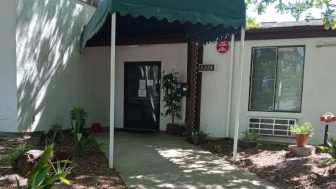
Clean and Sober Transitioning Living is an organization that connects adults to sober living homes. Their sober homes are located throughout Fair Oaks, California. The programs that are offered through this organization are broken up into what are called Phase 1 and Phase 2 programs. These programs both offer long-term recovery housing through the recovery program here.
During Phase 1, you'll live in a peer transitional housing facility. Rooms may be shared and your home is fully furnished with access to everyday amenities. You’ll follow a structured schedule which includes group meetings and Sunday night house meetings. Through these meetings, you'll build relationships with your peers and develop a routine that will help strengthen your Independence and commitment to recovery. Phase 1 homes are located on what's known as “The Block” and you'll have convenient access to the meeting house. That’s where meals are served and meetings take place. There are also other activities that take place there.
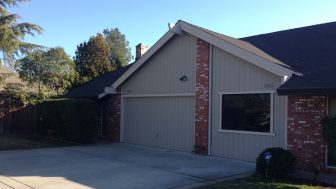
During Phase 2 of recovery, you'll continue building your sense of Independence. You'll transition to a living facility that's less restrictive. The homes under Phase 2 are located near The Block but are situated in a private neighborhoods. This allows you to reintegrate back into society in a productive manner.
Unlike traditional sober living homes, the homes offered here operate as a community. This community goes beyond just being a sober living residential place. You'll learn how to exist in society in a manner that is productive and positive. You'll also have a network of peers that you can lean on for support. Whether you're going through counseling support or are on a medication treatment plan, you can turn to your peers and mentors when you experience obstacles in your recovery.
Another element of the programs here is the 12-step programs which include Alcoholics Anonymous and Narcotics Anonymous. These programs really help to reinforce that sense of community you’ll build here. This will help empower and motivate you to continue moving toward sustainable sobriety.
Amenities
Private drug rehab provides a comfortable, secure environment that allows you to focus on doing the work to get your life back on track. Benefits include a higher staff-to-client ratio, increased one-on-one time with therapists and healthcare providers, private rooms for clients, and customized forms of therapy.
Residential drug rehab provides the comforts of home with the therapeutic support needed to successfully recover. Benefits of an inpatient program include increased safety, a higher success rate, and the time and distance given to focus on recovery. Residential drug rehabs are often the preferred method of treatment, as they can be tailored to meet specific needs, offer focused therapeutic care, and provide the necessary tools to sustain recovery.
Recreational therapy uniquely combines therapeutic interventions with an activity, like horse-riding, hiking, wilderness therapy, basketball, tennis, or a full workout. Benefits of recreational therapy include providing a healthy way to work through the emotions of recovery, learning to build and maintain relationships, improving communication skills, and building self-esteem.
Yoga and meditation are great activities to support your recovery process during alcohol or drug rehab. These therapies have been around for centuries, and they are an effective way to improve well-being. Combining addiction treatment, yoga, and meditation can reduce cravings, improve sleep, relieve anxiety and depression, provide stress relief, promote relaxation, support emotional healing, and improve energy levels.
In order to maintain a sense of autonomy, many private rehab facilities offer clients the ability to choose their own private rooms. The privacy and personal space ensure that the recovery process is as comfortable as possible.
Taking time away from a demanding corporate job to attend drug rehab may seem impossible, but executive drug rehab programs combine cutting edge addiction treatment with executive amenities like Wi-Fi, access to computers, and conference calling so you can take care of your health and stay on top of business.
Some rehab programs offer free Wi-Fi to guests who have full access to their smartphone devices or laptop computers during treatment. While access to these devices may be allowed, the time spent using them is often regulated or restricted so clients can focus on treatment.
Addiction Treatment Programs
Alcohol rehab in California provides professional treatment to guide participants through each step of recovery. Programs offer a support system to walk you through challenges and celebrate victories with you, from detox to long-term sobriety.
Drug rehab in California teaches participants constructive ways to stay clean and sober. Treatment revolves around helping individuals stop using the substance they are addicted to and learn healthy habits to avoid relapse.
Levels of Care
When you choose outpatient rehab in California, you will meet with a counselor and attend support group meetings. The focus will be on restructuring attitudes and thoughts to reduce cravings and develop skills to prevent relapse. The length of time in outpatient rehab varies by individual, based on their recovery needs.
Community support and relationship-building are key elements of aftercare rehab in California. You’ll receive recovery coaching, social support, and mentors to help you maintain sobriety after completing initial rehab treatment. This support will continue as long as you need it, which could be weeks or more than a year.
Unlike outpatient drug rehab, clients receiving inpatient rehab in California reside at the facility for the duration of the program. The length of stay may range from two weeks to 18 months or more, depending on the client's needs and the program’s design.
When you enter drug rehab in California, detox is the first step towards becoming drug-free. The detox process includes 24/7 monitoring and medical care and may include the use of medications to ease withdrawal symptoms.
California sober living has been shown to reduce relapse and improve recovery. These programs offer highly-structured living environments for those who desire to remain sober. House rules usually include abstinence from substances, participation in 12-step meetings, and contribution to household responsibilities.
Intervention services in California provide the support you need to encourage a loved one to make wise recovery decisions. Professionals will help you work with your loved one to develop an intervention plan and get him or her started on their recovery journey.
Contact Information


 8938 Madison Avenue
Fair Oaks, CA 95628 Sponsored
8938 Madison Avenue
Fair Oaks, CA 95628 Sponsored