
Circle of Hope, LLC
3000 Connecticut Avenue Northwest
Suite 321
Washington, Washington DC 20008
 Sponsored
About Circle of Hope, LLC
Circles of Hope is located in Washington, DC. They provide outpatient addiction treatment services to you and your loved ones, with individualized counseling for co-occurring disorders, as well as assessment services to provide more structured care if needed. They focus on both short and long-term treatment approaches to your care.
Treatment of care at COH focuses on holistic, evidence-based therapy modalities that are trauma-informed and specified to meet your individual needs. They focus on helping you build and strengthen coping skills and long-term recovery strategies to get you on the right path to recovery.
Welcoming Clients from Different Backgrounds
I find it encouraging to know that COH is committed to supporting clients from different cultural and economic backgrounds, offering a welcoming and confidential therapeutic environment for treatment.They are culturally-sensitive and provide client-centered therapy practices for those suffering from substance abuse disorders, emotional distress and various forms of addictive behaviors.
Virtual and In-Person Treatment for Co-Occurring Disorders
Licensed and accredited in 50 states, COH offers a high level of care and treatment for you if you are in need of both virtual and in-person alcohol and drug substance abuse treatment through weekly classes that are offered. Also, COH offers treatment if you have also obtained a DUI/DWI/Possession or assault charge.
Payments for your services include Medicaid and major insurance plans along with private, or self-payment options.
I found that COH is located near Anacostia Park which provides walking trails and other outdoor green space to reflect on your treatment. It is also located close to the US Capitol and Eastern Market District, which is close to historic and community resources.
Addiction Treatment Programs
Adults who have substance use disorders have often been through a lot — trauma, getting and losing jobs, having and losing housing, and more. In Washington, DC, an adult rehab can help you focus on these experiences and learn to process and manage them without turning to substance use.
Effective alcohol rehab in Washington, DC, helps you address the reasons you turn to alcohol and develop new, healthier coping mechanisms. The treatment center can also connect you to ongoing support services to help you maintain long-term sobriety.
Cognitive Behavioral Therapy in Washington, DC, allows people to address unhelpful ways of thinking and behaving by challenging their thinking patterns. This allows participants to overcome thinking distortions and develop better coping skills so they can move away from substance use.
A men’s rehab in Washington, DC, addresses mental and emotional concerns that are common to men, which might include sharing emotions, vulnerability, anger management, and trauma. Addressing these unique issues in a community with other men can help participants heal and develop healthy coping mechanisms so they don’t need to turn to substance use.
Opioid addiction is both physical and psychological. Opioid rehab in Washington, DC, helps participants overcome the physical aspects of withdrawal and cravings and address the mental and emotional reasons they began to misuse opioids to begin with.
Rational Behavior Therapy (RBT) is a proven psychotherapeutic modality frequently used in addiction recovery programs across Washington DC. RBT enables clients to identify unhealthy thought patterns that may contribute to or exacerbate addictive behaviors. Clients learn to challenge and replace false or harmful beliefs with more affirming and productive cognitive schemas, allowing them to effectively regulate their emotions, address past traumas, manage addiction triggers, and make better behavioral choices.
Women experience life differently than men, so having a specific women’s rehab can be helpful. A women’s rehab in Washington, DC, can address pregnancy concerns, mothering skills, and the unique experiences women have that might lead to substance use, leading to a more effective treatment experience.
Young adults face a lot of uncertainty and pressure as they transition to fully independent living. Young adult rehabs in Washington, DC, can help them address these concerns in healthy ways, develop practical coping skills, and learn essential life skills so they can overcome addiction and live a substance-free lifestyle.
Levels of Care
Outpatient rehabs in Washington DC enable clients to receive addiction recovery services while continuing to live at home. They are ideal for clients who are medically stable, including those stepping down from inpatient care and/or those with mild to moderate addiction disorder not requiring hospitalization. Outpatient rehabs offer a wide range of treatment intensities determined by clients’ needs, including high-intensity partial hospitalization and intensive outpatient programs (PHP/IOP) and moderate-intensity general outpatient programs (OP).
In Washington DC, aftercare support is designed to provide a complete continuum of care for clients who have completed formal addiction treatment. Aftercare support is intended to reduce clients’ risk of relapse through a range of services tailored to clients’ evolving needs. Aftercare programs may include alumni support groups, ongoing recovery education, housing and employment assistance, 12 Step Program facilitation, vocational training and career counseling, and referrals for continuing care and other services.
Dual diagnosis care in Washington DC is a specialized, multi-pronged approach to addiction recovery tailored to the unique care needs of persons with co-occurring addiction and mental illness. Dual diagnosis care is predicated on the assumption that lasting recovery can only be achieved if the underlying mental health conditions that contribute to or exacerbate the addiction are also addressed. The dual diagnosis care model typically integrates extensive psychotherapy, recovery education, and pharmacotherapy, if appropriate.
Accreditations
Accepted Insurance

Contact Information


3000 Connecticut Avenue Northwest
Suite 321
Washington, Washington DC 20008
Sponsored
Nearby Treatment Centers

1638 R St NW
Washington, Washington DC 20009
425 I St NW
#700
Washington, Washington DC 20001
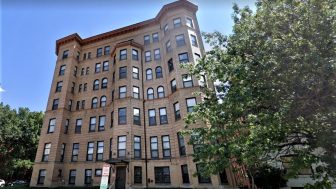
2523 14th Street Northwest
Washington, Washington DC 20009
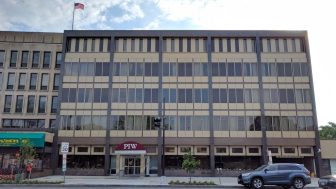
4228 Wisconsin Avenue Northwest
Washington, Washington DC 20016
