
ChristianaCare Center for Comprehensive Behavioral Health
205 West 14th Street, 100, Wilmington, DE 19801
Claim this listing Sponsored
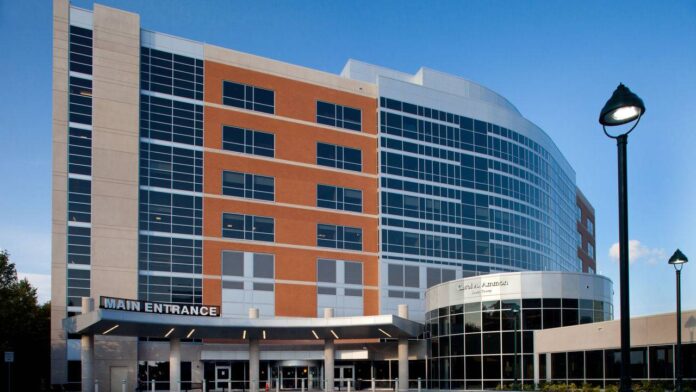
About ChristianaCare Center for Comprehensive Behavioral Health
ChristianaCare Center for Comprehensive Behavioral Health is an outpatient behavioral health and addiction treatment provider in Wilmington, Delaware operating as part of the ChristianaCare nonprofit health system.
The center supports adults navigating substance use disorders alongside co-occurring conditions such as PTSD, anxiety, depression, bipolar disorder and grief.
Backed by a major regional health system, the center delivers patient-centered care that connects addiction treatment with psychiatry, medical services and ongoing case management.
Outpatient Substance Use Treatment
Through Project Recovery, I noted that the center provides outpatient substance use care guided by a multidisciplinary team of psychiatrists, counselors, social workers and case managers.
Each patient begins with a comprehensive assessment that informs a personalized treatment plan.
Services include methods like family therapy, medication-assisted treatment, crisis support and coordination with outside medical providers.
This integrated approach helps address both substance use and the underlying emotional or medical concerns that often accompany it.
Dual Diagnosis and Whole-Person Support
The center also supports adults managing co-occurring mental health conditions using cognitive behavioral therapy, psychodynamic techniques, mindfulness, medication management and psychological evaluations.
I also found that Project Engage extends care into the hospital setting using motivational interviewing and peer recovery support to connect patients with community-based treatment.
Amenities

Private Rooms
In order to maintain a sense of autonomy, many private rehab facilities offer clients the ability to choose th...eir own private rooms. The privacy and personal space ensure that the recovery process is as comfortable as possible.Addiction Treatment Programs
Adult Program
An adult program in Delaware provides addiction recovery services for individuals ages 18 and older. Treatment is typically offered on a continuum of care, based on the severity of the addiction.Alcoholism
The typical format for alcohol rehab in Delaware includes detox, rehabilitation, and maintenance. This three-phase plan provides comprehensive treatment that uses best practices for long-term, lasting sobriety.Opioid Treatment
Successful opioid rehab in Delaware addresses medical, emotional, and relational aspects of addiction. Treatment provides the professional intervention necessary to get your life on track, through personalized programs that address your unique needs.Cognitive Behavioral Therapy (CBT)
When people have impulsive, negative thoughts, they often try to self-medicate with alcohol or drugs to cope with their emotions. Cognitive behavioral therapy in Delaware helps people identify these thoughts patterns and manage them without the use of substances.Drug Rehab
Recovery can begin at drug rehab in Delaware. These programs specialize in providing an environment that encourages rest, rejuvenation, and a restart to life. Individuals receive customized treatment that is designed to put them on the path to recovery.Levels of Care
Inpatient Rehab
During residential or inpatient drug rehab in Delaware, you live at the rehab facility and receive 24/7 superv...ised care. Clients reside at the treatment center for the entire length of their program, which may range from two weeks to more than 18 months, depending on the program.Outpatient Rehab
Delaware outpatient rehab provides ongoing treatment while allowing you to fulfill other obligations at work a...nd home. It involves attending treatment sessions several times per week and attending a support group. This treatment may continue for weeks or months, depending on your recovery needs.Dual Diagnosis & Mental Health
When a mental health disorder and substance abuse disorder exist simultaneously, dual diagnosis in Delaware is... necessary for proper treatment. Common co-occurring disorders include depression, anxiety, ADHD, and eating disorders.Accreditations

CARF
Insurance
 Financial Aid
If you need help to pay for alcohol and drug rehab in Delaware, financial aid is an option. Options include gr...ants, scholarships, non-profit programs, personal funding, and health insurance programs to help you manage the expense of substance abuse treatment.
 Medicaid Accepted
If you're eligible for Medicaid, you can use it to help with the cost of alcohol and drug rehab in Delaware. A...ll levels of care, including detox in Delaware, inpatient rehab in Delaware, and more, are covered by Medicaid.
 Medicare Accepted
If you're eligible for Medicare, you may have coverage options available that will help you pay for alcohol an...d drug rehab in Delaware. The amount of coverage depends on many things, including whether you are seeking inpatient or outpatient treatment for substance abuse.
 TRICARE
Administered by the Department of Defense, TRICARE offers comprehensive military health insurance plans for ac...tive and retired military members and their families. Similar to PPO programs offered by private insurance companies, TRICARE covers multiple levels of care for addiction treatment, including detox, inpatient rehab, and outpatient services.
 Self-Pay Options
Self-pay (or private pay) means the client is paying out-of-pocket for his or her own alcohol and drug rehab i...n Delaware. Payment methods can include checks, credit cards, or personal / medical loans from banks, credit unions, or financing companies. Fee structures usually depend on the level of care.Staff
Contact ChristianaCare Center for Comprehensive Behavioral Health


 Sponsored
Patti Croft is a full-time writer who writes about accessing effective addiction treatment during the day but is also pursuing her dream of penning a novel in her spare time. She enjoys copious amounts of coffee as creative fuel and sharing an office with her adorable cat, Beau. Her background is in healthcare management, and she is a passionate advocate for mental health and addiction care.
Rehabs.org regularly reviews this listing for accuracy but changes may occur between updates. For the most up-to-date information, please contact ChristianaCare Center for Comprehensive Behavioral Health.
Location Details
Nearby Treatment Centers



Popular Delaware Cities
View Other Delaware CitiesFAQs
What detox and withdrawal management services does ChristianaCare Center for Comprehensive Behavioral Health offer?
ChristianaCare Center for Comprehensive Behavioral Health provides behavioral health services in Wilmington, DE. Specific detox program details, including medical detoxification, medication-assisted treatment, and withdrawal management protocols, are available directly from the facility. Prospective patients or referral sources should contact the center at 205 West 14th Street, Suite 100, or visit their website for current service offerings and clinical capabilities.
How do I schedule an intake assessment or admission at ChristianaCare Behavioral Health in Wilmington?
Individuals seeking detox services at ChristianaCare Center for Comprehensive Behavioral Health can initiate contact through the facility’s main website at christianacare.org/behavioralhealth or by visiting the center’s location at 205 West 14th Street, Suite 100, Wilmington, DE 19801. The clinical team can provide information about intake procedures, current availability, and next steps during the admission process.
What insurance plans and payment options does ChristianaCare Behavioral Health accept for detox?
ChristianaCare Center for Comprehensive Behavioral Health works with patients to address payment and insurance coverage for behavioral health services. Details about specific insurance plans accepted, out-of-pocket costs, and financial assistance options should be discussed directly with the facility’s admissions or financial counseling staff. Contact the center for personalized information about coverage and payment arrangements.
Does ChristianaCare offer medical supervision during detoxification from alcohol or drugs?
ChristianaCare Center for Comprehensive Behavioral Health is a comprehensive behavioral health facility equipped to address substance use and withdrawal. The specific clinical protocols, medical supervision methods, and medications available during detox are best discussed with the medical team. Patients should speak directly with clinical staff about the level of medical oversight and support provided during detoxification.
