Centerstone
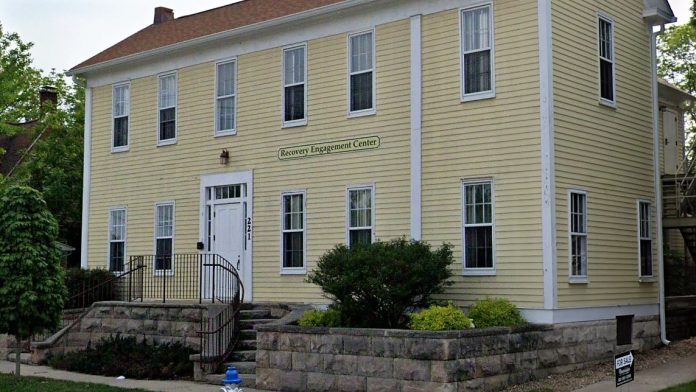
221 North Rogers Street
Bloomington, IN 47404
 Sponsored
About Centerstone
Centerstone Recovery Engagement Center in Bloomington, Indiana provides immediate low barrier access to recovery support for adults struggling with substance use. This walk in engagement center helps people take the first step toward recovery by connecting them to appropriate treatment options, supportive services and peer recovery coaching.
The program emphasizes compassion, confidentiality and empowerment, meeting clients exactly where they are in their recovery journey. Located in downtown Bloomington, the facility is near Switchyard Park and the B Line Trail, offering peaceful spaces for reflection. It is easily accessible by public transportation and close to local community resources.
Walk In Services for Drug or Alcohol Addiction
Centerstone Recovery Engagement Center offers walk in assessments and referrals for individuals seeking substance use disorder (SUD) treatment. The program provides immediate access to peer recovery support and case management for those in need of help without delay.
I find it notable that Centerstone’s approach is rooted in harm reduction and trauma-informed care. The center collaborates with community organizations to provide holistic support, including assistance with housing, employment and health needs.
A First Step Toward Recovery
You could think of this facility as your entry point to recovery. The short term engagement model focuses on getting you started, identifying individual needs and connecting you to appropriate treatment resources. These may include outpatient, intensive outpatient, or residential treatment programs throughout Indiana. As an outpatient drop in facility, the center serves as a safe and supportive space for early intervention and resource navigation.
Services at No Cost
The center welcomes adults aged 18 and older who are seeking support for substance use or co-occurring mental health issues. I was impressed to see that all services at Centerstone Recovery Engagement Center are provided at no cost. The program is funded through state and community partnerships, removing financial barriers to care.
A Welcoming Staff in a Comfortable Setting
Centerstone’s inclusive approach extends to individuals at all stages of readiness, from those exploring recovery for the first time to those re-engaging after relapse.
Clients praise the center’s compassionate staff for creating a welcoming and stigma free environment where they feel genuinely supported and safe as they take their first steps toward recovery. The staff emphasize the importance of meeting individuals where they are, encouraging hope and empowerment. Peer recovery coaches draw from lived experience to offer empathy, motivation and personalized guidance to every client.
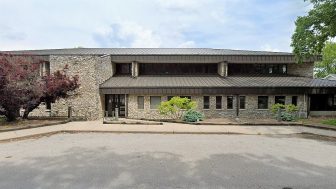
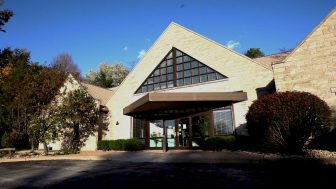
I like that the center features a comfortable, homelike setting with coffee, snacks and lounge areas for relaxation. They have private rooms for confidential consultations and clients have access to phones and computers for connecting with recovery resources.
Amenities
Private drug rehab provides a comfortable, secure environment that allows you to focus on doing the work to get your life back on track. Benefits include a higher staff-to-client ratio, increased one-on-one time with therapists and healthcare providers, private rooms for clients, and customized forms of therapy.
Residential drug rehab provides the comforts of home with the therapeutic support needed to successfully recover. Benefits of an inpatient program include increased safety, a higher success rate, and the time and distance given to focus on recovery. Residential drug rehabs are often the preferred method of treatment, as they can be tailored to meet specific needs, offer focused therapeutic care, and provide the necessary tools to sustain recovery.
In order to maintain a sense of autonomy, many private rehab facilities offer clients the ability to choose their own private rooms. The privacy and personal space ensure that the recovery process is as comfortable as possible.
Addiction Treatment Programs
Each young adult program in Indiana covers a wide range of addictions. Programs offer evidence-based therapies to treat alcohol, heroin, opioid, cocaine, benzodiazepine, and marijuana addictions, among others.
An adult program in Indiana offers recovery services to those who have become addicted to drugs or alcohol. Treatment may include inpatient or outpatient services, medication, and a variety of therapy methods.
If you choose an alcohol rehab in Indiana, you’ll progress through four stages of recovery. Rehab begins with treatment initiation, then moves to early abstinence, then maintaining abstinence, and finally advanced recovery. The outcome is a new, healthy sober lifestyle.
Men’s rehab in Indiana allows for greater participant engagement by offering same-gender treatment sessions. Often, men feel more comfortable in these settings, so they are more willing to share and receive support.
Women’s rehab in Indiana can be very beneficial for participants. These programs offers services that are designed specifically for women, which can help participants overcome the unique challenges they face.
For long-term recovery from drug addiction, drug rehab in Indiana is often key. This treatment gives individuals who are struggling with a substance use disorder the tools to manage their disorder and achieve long-term sobriety.
Elderly rehab in Indiana uses many of the same treatment methods as general population programs, but with a focus on challenges of aging. Methods often include 12-step programs, behavioral therapy, and motivational interviewing.
Fitness therapy is an evidence-based complementary approach to addiction recovery and mental health care. Based on mounting scientific evidence of the benefits of physical activity in improving mood, enhancing clients’ sense of wellbeing, and decreasing depression and anxiety, fitness therapy encompasses a wide spectrum of intensities, from gentle yoga, qigong, and tai chi to weight training, kickboxing, and other highly physical activities.
Assertive Community Treatment (ACT) is an integrative, community-based care strategy designed to address the needs of persons with severe and/or complex mental illness or behavioral disorders. ACT is typically provided by a multidisciplinary team of medical and mental health care providers, social workers, therapists, and other specialists, including addiction recovery professionals. These services are frequently provided in the home and community to clients in crisis, those who are clinically unstable, and those who are unable or unwilling to travel to a hospital or clinic for in-person treatment.
Levels of Care
Indiana outpatient rehab focuses on providing tools necessary to stay sober. This involves several weekly counseling sessions and involvement in at least one support group, such as NA or AA, for several weeks or months. During that time, you’ll learn how to replace unhealthy habits with healthy ones and prevent relapse.
Dual diagnosis in Indiana treats co-occurring disorders, meaning it addresses both your mental health and recovery needs. A multidisciplinary team of psychiatrists and addiction experts work together to ensure all aspects of your mental and physical health are treated.
The moment your initial treatment ends, aftercare rehab in Indiana begins. Multiple aftercare resources are available to help you confidently re-enter life and maintain sobriety. This support may last for a year or more, providing assistance with counseling, job coaching, budgeting assistance, and other life skills.
During inpatient reahb, you live at the treatment facility and participate in several forms of therapy throughout each day. You also engage in forms of psychotherapy, which usually includes group and family therapy as well as individual counseling. Many programs also offer holistic treatment and recovery-focused life skills training.
Sober living in Indiana often acts as a bridge between rehab and independent living. In this setting, you’ll start applying the things you learned in rehab to begin living a sober lifestyle. Because the first few months can be your most vulnerable, the sober living house will provide structure to help you maintain sobriety.
Intervention services in Indiana can help you convince your loved one to get the treatment they need. Professionals are available to provide pre-intervention counseling to family members, facilitate an intervention, and assist with the development of a treatment plan.
Accreditations
Accepted Insurance

Contact Information


 Sponsored