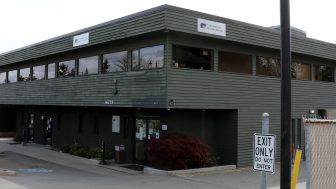
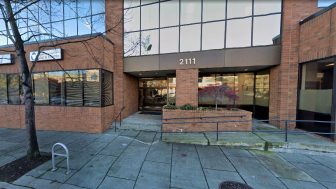
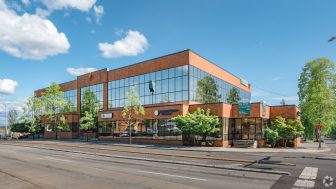
Center For Human Services – Shoreline
14803 15th Ave NE
Shoreline, WA 98155
 Sponsored
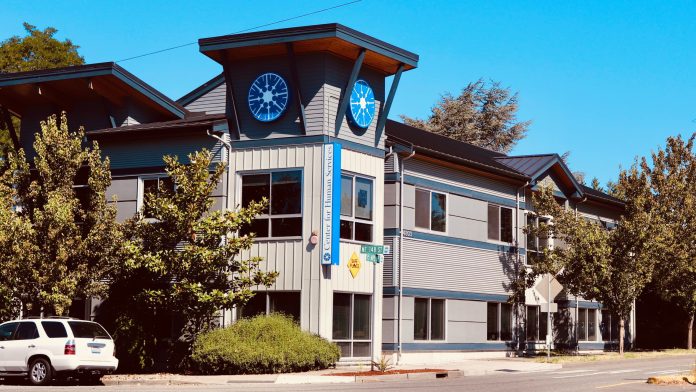
About Center For Human Services – Shoreline
Center For Human Services is located in Shoreline, Washington. This location offers mental health services and can handle referrals to their other offices throughout King and Snohomish Counties.
Their other Shoreline location which is a short drive down the road, offers substance use services and behavioral health programs.
Outpatient Therapy With Telepsychiatry Options
The CHS mental health program aims to provide support and solutions for any situation that causes distress or frustration. They work with people ages 6-99, taking approaches appropriate for your stage of life.
I noticed they allow therapists to refer their clients for telepsychiatry services that include medication management and monitoring.
Collaboration With Support Structures
It can be helpful to have important people in your life get involved with your treatment plan. The team encourages and embraces collaboration efforts with family members, friends, healthcare providers, teachers, case workers and any other person you trust.
Something I found neat was their conjoint therapy option, which aims to repair relationships of all forms. It involves two people attending therapy sessions in the same room. Depending on the situation, they may have one or two therapists with them.
Amenities
Private drug rehab provides a comfortable, secure environment that allows you to focus on doing the work to get your life back on track. Benefits include a higher staff-to-client ratio, increased one-on-one time with therapists and healthcare providers, private rooms for clients, and customized forms of therapy.
Residential drug rehab provides the comforts of home with the therapeutic support needed to successfully recover. Benefits of an inpatient program include increased safety, a higher success rate, and the time and distance given to focus on recovery. Residential drug rehabs are often the preferred method of treatment, as they can be tailored to meet specific needs, offer focused therapeutic care, and provide the necessary tools to sustain recovery.
Recreational therapy uniquely combines therapeutic interventions with an activity, like horse-riding, hiking, wilderness therapy, basketball, tennis, or a full workout. Benefits of recreational therapy include providing a healthy way to work through the emotions of recovery, learning to build and maintain relationships, improving communication skills, and building self-esteem.
Art and music are mediums that connect with our feelings, making them a great recovery tool during addiction treatment. Studies show that combining art/music and drug rehab can have a greater therapeutic impact than drug rehab alone, as you’re able to access parts of your brain and body that you may not have access to during traditional talk therapy. Benefits of art/music therapy include lowering stress and anxiety, promoting healthy neurochemicals, and providing stress relief.
Music can be extremely therapeutic, serving as a valuable healing tool and an integrative feature of a holistic treatment plan. A music room offers a large number of outlets, including singing, playing musical instruments, and listening to music.
In order to maintain a sense of autonomy, many private rehab facilities offer clients the ability to choose their own private rooms. The privacy and personal space ensure that the recovery process is as comfortable as possible.
Addiction Treatment Programs
Options for a young adult program in Washington include residential programs, sober living homes, recovery support groups, specialized counseling, family therapy, alternative therapy, and social skills development. These rehab treatments often include therapy to address co-occurring disorders.
For those aged 18 and older, an adult program in Washington can help in overcoming addiction. You can get effective treatment for substance use disorders and related mental health issues at the level of care that works best for you.
Men’s rehab in Washington focuses on specific challenges faced by men, including relationship dynamics. Gender-specific treatment helps men repair damage to their relationships and get the support they need.
Women’s rehab in Washington effectively treats drug and alcohol addiction by addressing the unique needs of substance-dependent women, which provides an opportunity to break the addiction cycle and embrace long-term recovery.
Cognitive behavioral therapy in Washington teaches healthy coping strategies. Treatment includes setting goals, learning communication skills, and cognitive-behavioral strategies to manage triggers.
Addiction often involves irrational thoughts and beliefs. Rational emotive behavioral therapy in Washington helps people identify their irrational thoughts and shift irrational beliefs to decrease destructive behaviors and create attainable goals.
EMDR Therapy is a neurobiological treatment modality used to address trauma disorders and related mental and behavioral health challenges. Short for eye movement desensitization and reprocessing, EMDR is designed to help clients cope with distressing memories and emotions, including fear, sadness, and anger. EMDR may help clients in addiction recovery manage the psychological and emotional triggers that contribute to substance misuse and/or addiction relapse.
Assertive Community Treatment (ACT) is an integrative, community-based care strategy designed to address the needs of persons with severe and/or complex mental illness or behavioral disorders. ACT is typically provided by a multidisciplinary team of medical and mental health care providers, social workers, therapists, and other specialists, including addiction recovery professionals. These services are frequently provided in the home and community to clients in crisis, those who are clinically unstable, and those who are unable or unwilling to travel to a hospital or clinic for in-person treatment.
Levels of Care
Outpatient rehab in Washington is often a good option if you’re in long-term recovery and need ongoing coaching to avoid relapse. This treatment provides accountability and support while you maintain other life responsibilities.
When substance abuse and mental illness are both present, you need specialized treatment to achieve recovery. Both the substance abuse and mental health disorder must be treated by dual diagnosis treatment in Washington.
You don’t have to face life alone after you complete rehab. Aftercare rehab in Washington provides ongoing support as you begin your new life in recovery. You’ll receive practical, emotional, and mental support to overcome hurdles and maintain sobriety.
Most Washington sober living homes serve one gender, and residents typically stay for several months. These structured settings provide a stable environment for those who need extra accountability beyond 12-step meetings. Strict house rules and requirements encourage sober living and development of recovery skills.
Accreditations
Contact Information


 Sponsored