Casco Bay Recovery
989 Brighton Ave
Portland, ME 04102
 Sponsored
About Casco Bay Recovery
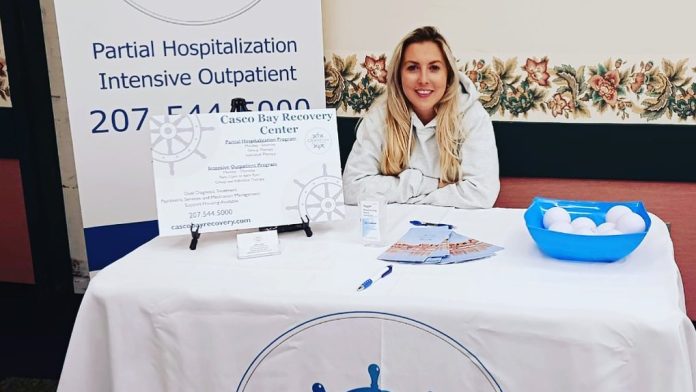
Casco Bay Recovery is an outpatient treatment facility for substance use disorder out in Portland Maine. They help clients on their journey to sobriety with a combination of evidence-based therapies and holistic approaches. It’s a major benefit that they also provide treatment for a dual diagnosis i.e. living with a substance use disorder and mental health disorder, such as depression or PTSD, at the same time.
There are several levels of outpatient treatment: partial hospitalization, intensive outpatient, and general outpatient treatment. They vary in the level of intensity, but each program allows you to return to your usual residence or sober living facility following treatment. No matter the program, you’ll receive group and individual counseling using proven approaches, such as cognitive behavioral therapy, to address the issues surrounding their addiction.
Medication management is also provided for clients with a dual diagnosis. Clients and clinicians work together to find the right medications and dosages to manage the symptoms of a co-occurring mental health disorder.
Amenities
Private drug rehab provides a comfortable, secure environment that allows you to focus on doing the work to get your life back on track. Benefits include a higher staff-to-client ratio, increased one-on-one time with therapists and healthcare providers, private rooms for clients, and customized forms of therapy.
Residential drug rehab provides the comforts of home with the therapeutic support needed to successfully recover. Benefits of an inpatient program include increased safety, a higher success rate, and the time and distance given to focus on recovery. Residential drug rehabs are often the preferred method of treatment, as they can be tailored to meet specific needs, offer focused therapeutic care, and provide the necessary tools to sustain recovery.
Art and music are mediums that connect with our feelings, making them a great recovery tool during addiction treatment. Studies show that combining art/music and drug rehab can have a greater therapeutic impact than drug rehab alone, as you’re able to access parts of your brain and body that you may not have access to during traditional talk therapy. Benefits of art/music therapy include lowering stress and anxiety, promoting healthy neurochemicals, and providing stress relief.
In order to maintain a sense of autonomy, many private rehab facilities offer clients the ability to choose their own private rooms. The privacy and personal space ensure that the recovery process is as comfortable as possible.
Addiction Treatment Programs
A rehab adult program in Maine is designed for men and women ages 18 and older who are seeking help with addiction to drugs or alcohol. Programs vary, but many offer both inpatient and outpatient rehab and incorporate both individual and group therapy methods in treatment.
Alcohol rehab in Maine is for individuals whose lives are affected by excessive alcohol use. This treatment program aims to help individuals develop healthy lifestyle habits and remain permanently abstinent from alcohol.
The challenges men face when battling addiction are often different than women. That’s why men’s rehab in Maine is designed to distinctly treat men and their unique needs.
Women’s rehab in Maine allows women in treatment to feel more comfortable and safer during treatment and achieve better recovery outcomes. This is due to the gender-specific treatment they receive and the peer connections they can form during treatment.
Opioid rehab in Maine combines the use of medication assisted treatment, recovery support, and aftercare to help individuals recover from opioid addiction. Programs typically incorporate 12-step components, detox, medication assisted treatment, and evidence-based therapies.
Cognitive behavioral therapy in Maine involves specific exercises that help individuals overcome addiction. Techniques include thought records, behavioral experiments, imagery-based exposure, and pleasant activity schedules.
Drug rehab in Maine is the process of helping someone learn how to live without the use of substances. Professional staff provide treatment to address the various issues of addiction. Methods often involve medication, counseling, and evidence-based therapies.
Seniors who are struggling with addiction can find a recovery haven at elderly rehab in Maine. These programs provide a safe space among peers where seniors are comfortable sharing and participating more, which generates better recovery outcomes.
Women’s rehab in Maine allows women in treatment to feel more comfortable and safer during treatment and achieve better recovery outcomes. This is due to the gender-specific treatment they receive and the peer connections they can form during treatment.
Rational emotive behavioral therapy in Maine addresses the irrational belief systems that cause emotional dysfunction and can lead to substance abuse. This treatment method focuses on identifying these irrational beliefs and replacing them with healthy ones.
Assertive Community Treatment (ACT) is an integrative, community-based care strategy designed to address the needs of persons with severe and/or complex mental illness or behavioral disorders. ACT is typically provided by a multidisciplinary team of medical and mental health care providers, social workers, therapists, and other specialists, including addiction recovery professionals. These services are frequently provided in the home and community to clients in crisis, those who are clinically unstable, and those who are unable or unwilling to travel to a hospital or clinic for in-person treatment.
Administrative Services are ancillary services provided by multidisciplinary teams of professionals, including clinicians, social workers, therapists, and case managers. These services ensure clients receive seamless, comprehensive care across all stages of recovery. Programs may include transportation assistance, intervention planning, insurance verification, supportive housing and employment, and discharge planning and support.
Levels of Care
For those who have successfully completed inpatient treatment, an outpatient rehab in Maine is often the next step. This treatment offers accountability and continued support, while you live at home and return to other responsibilities such as work and family. Outpatient rehab may last for a few weeks, months, or years, depending on your recovery needs.
Dual diagnosis treatment in Maine actively treats co-occurring mental health disorders, such as bipolar disorder, anxiety, or depression, as well as addiction. Common methods include medication management, behavior and cognitive therapies, and counseling.
Maine aftercare rehab gives you the confidence and the support you need to face life challenges and continue moving forward in recovery. After completing a rehab program, aftercaret offers ongoing support through 12-step groups, counseling, and life coaching for as long as you need it.
Sober living in Maine helps you strengthen your coping skills and learn how to trust yourself to live a sober life. You’ll live with others in recovery while attending 12-step meetings and abstaining from drugs and alcohol. When you feel ready to leave this structured environment, you are free to move to more independent living. This usually happens after a few months.
Intervention staff work with your loved one to help them begin their recovery journey. Services may include pre-intervention counseling for family members, facilitation of an intervention, access to treatment resources, and assistance with program selection and admittance to drug rehab in Maine.
Often providing a bridge between inpatient and outpatient treatment, partial hospitalization programs (PHPs) in Maine offer more intensive care than standard outpatient programs. Additionally, you're still able to live at home while undergoing treatment.
Accreditations
Accepted Insurance

Contact Information


 Sponsored