
Grace House For Women
 Sponsored
About Grace House For Women
Residential treatment at Grace House for Women lasts months: 45 days in a first phase, up to six months across the second and third, then three to six more in sober living. The house is an addiction treatment center in Portland, Maine, and it serves women only.
Cell phones and visits are off limits for the length of the stay, and the days fill with chores, groups and Twelve Step meetings. The house keeps that rule so attention goes to recovery and to the friendships the women are there to build.
MaineCare for Maine Residents
Grace House takes MaineCare, Maine’s public coverage program, and it serves women who live in Maine. The length of the stay changes what paying looks like: a year of care is a long time to carry a cost, and state coverage is built for costs that repeat. If you are weighing a stay that long, the full cost is the figure to work from.
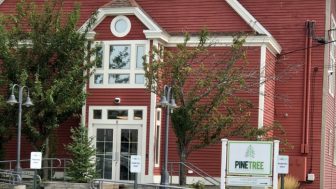
The program runs several houses around Portland, and one sits in Deering Center, a historic neighborhood that families have long made their home and that locals call a village inside a city. Two dogs live at one of the houses and offer the women support.
Amenities
Private drug rehab provides a comfortable, secure environment that allows you to focus on doing the work to get your life back on track. Benefits include a higher staff-to-client ratio, increased one-on-one time with therapists and healthcare providers, private rooms for clients, and customized forms of therapy.
Residential drug rehab provides the comforts of home with the therapeutic support needed to successfully recover. Benefits of an inpatient program include increased safety, a higher success rate, and the time and distance given to focus on recovery. Residential drug rehabs are often the preferred method of treatment, as they can be tailored to meet specific needs, offer focused therapeutic care, and provide the necessary tools to sustain recovery.
In order to maintain a sense of autonomy, many private rehab facilities offer clients the ability to choose their own private rooms. The privacy and personal space ensure that the recovery process is as comfortable as possible.
Addiction Treatment Programs
A rehab adult program in Maine is designed for men and women ages 18 and older who are seeking help with addiction to drugs or alcohol. Programs vary, but many offer both inpatient and outpatient rehab and incorporate both individual and group therapy methods in treatment.
Alcohol rehab in Maine is for individuals whose lives are affected by excessive alcohol use. This treatment program aims to help individuals develop healthy lifestyle habits and remain permanently abstinent from alcohol.
The challenges men face when battling addiction are often different than women. That’s why men’s rehab in Maine is designed to distinctly treat men and their unique needs.
Grace House runs a structured residential program for women. It opened in 2010 as the first women's managed recovery residence.
Drug rehab in Maine is the process of helping someone learn how to live without the use of substances. Professional staff provide treatment to address the various issues of addiction. Methods often involve medication, counseling, and evidence-based therapies.
Seniors who are struggling with addiction can find a recovery haven at elderly rehab in Maine. These programs provide a safe space among peers where seniors are comfortable sharing and participating more, which generates better recovery outcomes.
Assertive Community Treatment (ACT) is an integrative, community-based care strategy designed to address the needs of persons with severe and/or complex mental illness or behavioral disorders. ACT is typically provided by a multidisciplinary team of medical and mental health care providers, social workers, therapists, and other specialists, including addiction recovery professionals. These services are frequently provided in the home and community to clients in crisis, those who are clinically unstable, and those who are unable or unwilling to travel to a hospital or clinic for in-person treatment.
Opioid rehab in Maine combines the use of medication assisted treatment, recovery support, and aftercare to help individuals recover from opioid addiction. Programs typically incorporate 12-step components, detox, medication assisted treatment, and evidence-based therapies.
Levels of Care
For those who have successfully completed inpatient treatment, an outpatient rehab in Maine is often the next step. This treatment offers accountability and continued support, while you live at home and return to other responsibilities such as work and family. Outpatient rehab may last for a few weeks, months, or years, depending on your recovery needs.
Inpatient rehab in Maine is designed primarily for clients exiting detox, people in early recovery, and those at an elevated risk of relapse. You'll reside at the rehab facility until you complete your treatment program, which allows you to focus solely on your recovery,
When you start drug rehab in Maine, the first step is typically detox. This is the process of slowly and safely removing drugs and alcohol from your system. Length of detox varies based on personal history and the type of substances abused.
The final phase is three to six months in sober living, after up to six months across the second and third phases.
Intervention staff work with your loved one to help them begin their recovery journey. Services may include pre-intervention counseling for family members, facilitation of an intervention, access to treatment resources, and assistance with program selection and admittance to drug rehab in Maine.
Contact Information


 Sponsored
Nadia holds a Master’s in Secondary Education and specializes in supporting teens and young adults with learning differences. Passionate about helping teens overcome Adverse Childhood Experiences (ACEs), Nadia creates safe, empowering classroom environments where students can thrive.
Peter W.Y. Lee is a historian specializing in American Cold War history. He has published widely on youth culture and the social impact of popular culture throughout the twentieth century and how the public has approached culture as a means of coping with the challenges that accompany changing times.
Rehabs.org regularly reviews this listing for accuracy but changes may occur between updates. For the most up-to-date information, please contact Grace House For Women.
Nearby Treatment Centers

FAQs
Does Grace House For Women take MaineCare for residential care?
Yes. MaineCare is accepted for Maine residents. The program is owned by Mainers and serves people from the state of Maine, and MaineCare covers that care.
What kind of care is offered at the Portland program?
Residential treatment in phases, ending in sober living. The first phase runs 45 days. The second and third phases can last up to six months, and the final phase adds three to six months in sober living homes. Twelve Step programming is offered alongside clinical care, and medications for opioid use disorder can be part of the plan.
Who is the Portland program for?
Women with a substance use disorder. The program is residential and structured for women, and the provider also offers a release of information form for incarcerated women.
What is daily life like at the Portland program?
Days are structured around chores, groups and routine. Women feed chickens and walk dogs, attend groups, volunteer, meet with a sponsor and keep a regular schedule. Yoga, walking, biking, swimming and outings like paddleboarding or kayaking are options. Cell phone use and visits are not allowed while women focus on recovery skills and new friendships.
