
Zinnia Healing Indiana, Formerly Cardinal Recovery
 Sponsored
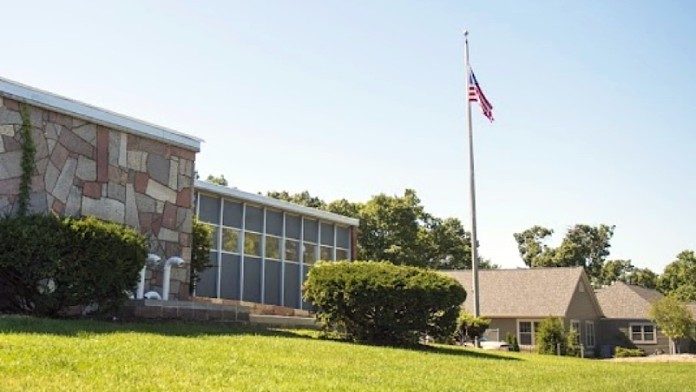
About Zinnia Healing Indiana, Formerly Cardinal Recovery
Zinnia Healing Indiana, formerly Cardinal Recovery, is a drug and alcohol rehab in South Bend, Indiana, serving men and women living with substance use disorder.
I'm impressed by their continuum of care that includes medically supervised detox, residential treatment, partial hospitalization, intensive outpatient, outpatient and sober living.
I also appreciate their personalized treatment planning and support for cooccurring mental health conditions, Zinnia Healing Indiana focuses on evidence based, whole person recovery.
Medically Supervised Detox
Treatment may begin with medically supervised detox, where withdrawal is managed safely before clients transition into residential care, with typical program lengths of 30 to 60 days.
Step down options such as partial hospitalization, intensive outpatient and outpatient programs support clients as they build independence.
Clients can expect individual, group, and family therapy alongside medication assisted treatment, dual diagnosis care, 12 Step and SMART Recovery groups and expressive therapies like art, music and nature therapy.
Care emphasizes relapse prevention, emotional regulation, life skills and lasting recovery tools.
Quick Facts About Zinnia Healing Indiana
- Location: E Jefferson Blvd in South Bend, Indiana, in a private residential setting
- Levels of care: Detox, residential, PHP, IOP, outpatient, sober living and aftercare
- Who they treat: Adult men and women, including those with cooccurring conditions like anxiety, depression, trauma and bipolar disorder
- Approach: Personalized planning, dual diagnosis care, expressive therapies and peer support
- Payment options: Private insurance and self pay, with many major insurers accepted
- Amenities: Private rooms, fitness center, recreation room and onsite AA/NA meetings
Getting Started
To begin treatment at Zinnia Healing Indiana in South Bend, the process typically starts with an assessment and verification of benefits.
An admissions team member can explain available programs, levels of care and payment or insurance options.
Amenities
Private drug rehab provides a comfortable, secure environment that allows you to focus on doing the work to get your life back on track. Benefits include a higher staff-to-client ratio, increased one-on-one time with therapists and healthcare providers, private rooms for clients, and customized forms of therapy.
Residential drug rehab provides the comforts of home with the therapeutic support needed to successfully recover. Benefits of an inpatient program include increased safety, a higher success rate, and the time and distance given to focus on recovery. Residential drug rehabs are often the preferred method of treatment, as they can be tailored to meet specific needs, offer focused therapeutic care, and provide the necessary tools to sustain recovery.
Art and music are mediums that connect with our feelings, making them a great recovery tool during addiction treatment. Studies show that combining art/music and drug rehab can have a greater therapeutic impact than drug rehab alone, as you’re able to access parts of your brain and body that you may not have access to during traditional talk therapy. Benefits of art/music therapy include lowering stress and anxiety, promoting healthy neurochemicals, and providing stress relief.
Treatment centers with a yoga studio offer a special form of holistic therapy during the recovery process. Yoga boosts mindfulness, a sense of calm, and healthy reflection during drug rehab via breathing exercises, stretching, and a progression of specific postures.
Music can be extremely therapeutic, serving as a valuable healing tool and an integrative feature of a holistic treatment plan. A music room offers a large number of outlets, including singing, playing musical instruments, and listening to music.
In order to maintain a sense of autonomy, many private rehab facilities offer clients the ability to choose their own private rooms. The privacy and personal space ensure that the recovery process is as comfortable as possible.
Wilderness rehab programs offer all the benefits of a traditional drug rehab, but with the added benefits of outdoor adventure. Venture out into the forest to learn new skills, explore the beauty of nature, and relieve stress. Engaging in wilderness activities is a great way to gain self-discovery and release negative emotions.
Addiction Treatment Programs
An adult program in Indiana offers recovery services to those who have become addicted to drugs or alcohol. Treatment may include inpatient or outpatient services, medication, and a variety of therapy methods.
If you choose an alcohol rehab in Indiana, you’ll progress through four stages of recovery. Rehab begins with treatment initiation, then moves to early abstinence, then maintaining abstinence, and finally advanced recovery. The outcome is a new, healthy sober lifestyle.
Men’s rehab in Indiana allows for greater participant engagement by offering same-gender treatment sessions. Often, men feel more comfortable in these settings, so they are more willing to share and receive support.
Women’s rehab in Indiana can be very beneficial for participants. These programs offers services that are designed specifically for women, which can help participants overcome the unique challenges they face.
During opioid rehab in Indiana, addiction specialists help individuals stop abusing prescription drugs or other opioids. Comprehensive treatment includes inpatient rehab, behavioral therapy methods, and alternative therapies. Many rehabs in Indiana include detox and medication assisted treatment.
Cognitive behavioral therapy in Indiana helps those struggling with addiction deal with triggers (something that compels a person to seek their substance of choice). This method teaches individuals healthy ways to handle situations without turning to substance use.
For long-term recovery from drug addiction, drug rehab in Indiana is often key. This treatment gives individuals who are struggling with a substance use disorder the tools to manage their disorder and achieve long-term sobriety.
Elderly rehab in Indiana uses many of the same treatment methods as general population programs, but with a focus on challenges of aging. Methods often include 12-step programs, behavioral therapy, and motivational interviewing.
Women’s rehab in Indiana can be very beneficial for participants. These programs offers services that are designed specifically for women, which can help participants overcome the unique challenges they face.
Treatment professionals at Veteran’s rehab in Indiana understand the challenges that often lead Veterans to addiction. They are able to deliver specialized recovery treatment that meets the unique needs of individuals with a military background.
Rational emotive behavioral therapy in Indiana can improve quality of life by helping individuals who are struggling with addiction replace negative thoughts and behaviors with healthy ones. This treatment method is often included as part of a recovery treatment plan.
Fitness therapy is an evidence-based complementary approach to addiction recovery and mental health care. Based on mounting scientific evidence of the benefits of physical activity in improving mood, enhancing clients’ sense of wellbeing, and decreasing depression and anxiety, fitness therapy encompasses a wide spectrum of intensities, from gentle yoga, qigong, and tai chi to weight training, kickboxing, and other highly physical activities.
Sound & Music Therapy are complementary treatment modalities frequently used in addiction recovery to support clients’ physical, mental, and emotional wellbeing through the use of auditory stimuli, from nature sounds and Tibetan singing bowls to drum circles and rhythmic melodies. The treatment is believed to reduce symptoms of anxiety and depression and may offer relief for those experiencing chronic pain, which can decrease clients’ risk of addiction relapse.
Levels of Care
Indiana outpatient rehab focuses on providing tools necessary to stay sober. This involves several weekly counseling sessions and involvement in at least one support group, such as NA or AA, for several weeks or months. During that time, you’ll learn how to replace unhealthy habits with healthy ones and prevent relapse.
Dual diagnosis in Indiana treats co-occurring disorders, meaning it addresses both your mental health and recovery needs. A multidisciplinary team of psychiatrists and addiction experts work together to ensure all aspects of your mental and physical health are treated.
The moment your initial treatment ends, aftercare rehab in Indiana begins. Multiple aftercare resources are available to help you confidently re-enter life and maintain sobriety. This support may last for a year or more, providing assistance with counseling, job coaching, budgeting assistance, and other life skills.
During inpatient reahb, you live at the treatment facility and participate in several forms of therapy throughout each day. You also engage in forms of psychotherapy, which usually includes group and family therapy as well as individual counseling. Many programs also offer holistic treatment and recovery-focused life skills training.
Detox in Indiana involves 24/7 professional care while substances are cleansed from your body. Medications are often given to alleviate withdrawal symptoms during this time. The process varies in length, depending on your history of dependency and the type of drug.
Sober living in Indiana often acts as a bridge between rehab and independent living. In this setting, you’ll start applying the things you learned in rehab to begin living a sober lifestyle. Because the first few months can be your most vulnerable, the sober living house will provide structure to help you maintain sobriety.
Intervention services in Indiana can help you convince your loved one to get the treatment they need. Professionals are available to provide pre-intervention counseling to family members, facilitate an intervention, and assist with the development of a treatment plan.
Contact Information


 Sponsored
Amy Greene’s first novel Bloodroot was a New York Times and National Bestseller and a New York Times Editor’s Choice pick. Her second novel Long Man was a Washington Post Top Book of the Year. She lives in the Smoky Mountains of East Tennessee with her husband and two children.
Rehabs.org regularly reviews this listing for accuracy but changes may occur between updates. For the most up-to-date information, please contact Zinnia Healing Indiana, Formerly Cardinal Recovery.

