
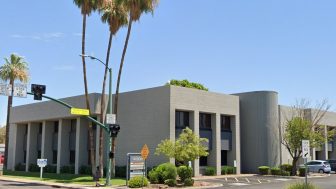
Camelback Recovery Treatment Center
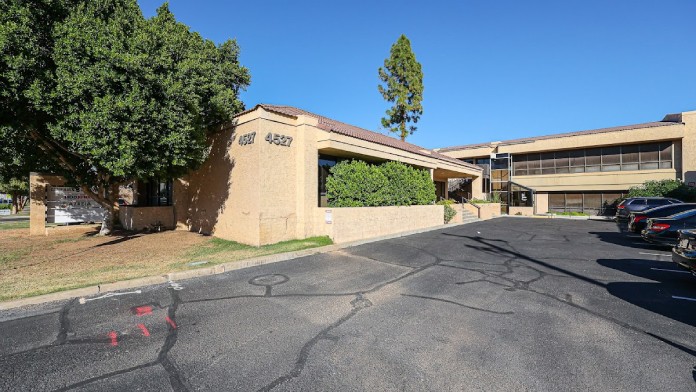
4527 N 16th Street
Suite 200
Phoenix, AZ 85016
 Sponsored
About Camelback Recovery Treatment Center
Camelback Recovery Treatment Center in Phoenix, Arizona offers holistic residential and outpatient addiction treatment for adult men and women facing a range of substance use disorders and mental health issues. Their offices and some outpatient services are located in central Phoenix, but their luxury residential treatment program is nearby in Peoria.
Holistic Addiction Treatment Programs for Adults
When you hear someone talking about holistic healthcare, it means treatments focus on the body, mind and spirit. Treatment embraces the whole person because every part of who you are is impacted by addiction. In addition to counseling, you can support healing through art therapy, yoga and meditation.
A Luxury Inpatient Recovery Experience
I find the beautifully appointed bedrooms and hotel style bathrooms to be impressive. Nutritious meals are prepared in a modern kitchen and shared in a cozy community dining space. You can relax in the swimming pool or enjoy a game of tennis, but what catches my eye are the calming desert and mountain views.
Specialized Addiction Recovery for Our Veterans
Veterans and active military have unique needs that not all treatment programs can meet. I was glad to see that Camelback Recovery Treatment Center’s trauma informed programs target PTSD and other challenges veterans face. I’m grateful they use GeneSite testing for not only veterans but also civilian clients to determine which medications are the best fit based on genetic makeup.
Amenities
Residential drug rehab provides the comforts of home with the therapeutic support needed to successfully recover. Benefits of an inpatient program include increased safety, a higher success rate, and the time and distance given to focus on recovery. Residential drug rehabs are often the preferred method of treatment, as they can be tailored to meet specific needs, offer focused therapeutic care, and provide the necessary tools to sustain recovery.
Recreational therapy uniquely combines therapeutic interventions with an activity, like horse-riding, hiking, wilderness therapy, basketball, tennis, or a full workout. Benefits of recreational therapy include providing a healthy way to work through the emotions of recovery, learning to build and maintain relationships, improving communication skills, and building self-esteem.
Art and music are mediums that connect with our feelings, making them a great recovery tool during addiction treatment. Studies show that combining art/music and drug rehab can have a greater therapeutic impact than drug rehab alone, as you’re able to access parts of your brain and body that you may not have access to during traditional talk therapy. Benefits of art/music therapy include lowering stress and anxiety, promoting healthy neurochemicals, and providing stress relief.
Treatment centers with a yoga studio offer a special form of holistic therapy during the recovery process. Yoga boosts mindfulness, a sense of calm, and healthy reflection during drug rehab via breathing exercises, stretching, and a progression of specific postures.
In order to maintain a sense of autonomy, many private rehab facilities offer clients the ability to choose their own private rooms. The privacy and personal space ensure that the recovery process is as comfortable as possible.
Swimming increases blood flow to the body and brain, boosts white blood cells, and improves muscle strength, lung capacity, and overall stamina. Drug rehabs with a swimming pool offer physical and mental benefits to complement the recovery process.
When paired with cognitive-behavioral therapy, exercise can be an effective tool for overcoming addiction. Drug rehabs with a gym offer clients healthy ways to increase energy levels, balance the body’s stress hormone levels, and aid in the brain’s healing process.
Some rehab programs offer free Wi-Fi to guests who have full access to their smartphone devices or laptop computers during treatment. While access to these devices may be allowed, the time spent using them is often regulated or restricted so clients can focus on treatment.
Addiction treatment in the metro area benefits clients by offering seamless connections from the city, around the state, and those seeking out-of-state treatment. Another benefit of attending a metro area drug rehab is that you’re close to major airports and ground transportation services.
When used as part of an evidence-based treatment plan, basketball can boost physical and mental health, lead to sharper thinking, and facilitate improved self-esteem. Drug rehabs with a basketball court also place a focus on teamwork and cooperation.
Business centers are a preferred amenity in many mental health and addiction recovery facilities and typically feature secure, high-speed internet, computer stations, printers, and related business technologies. Business centers are designed to enable professionals and students to continue to participate in work or school activities without leaving the treatment facility.
Resort Setting is a term used to describe many luxury addiction recovery centers due to the premium features available to clients. Amenities in resort-style treatment centers may include secluded beach, mountain, or desert locales, chef-prepared meals, and onsite spas and saunas, as well as swimming, fitness, and recreation facilities. A variety of premium services are often also available at resort-style treatment centers, such as therapeutic massage.
Addiction Treatment Programs
When individuals choose a young adult program in Arizona, they receive multidisciplinary care that addresses all aspects of their lives. Treatment focuses on physical, social, educational, and emotional needs, encompassing both addiction and dual diagnosis treatment.
A rehab adult program in Arizona provides treatment for addiction. Adults (age 18+) participate in various therapies that are designed to break the cycle of substance abuse and teach new coping skills so the individual can maintain a healthy, sober lifestyle.
If you’re struggling with alcohol use disorder, alcohol rehab in Arizona can help. Many treatment options are available to help individuals recover and take steps to create a healthy and fulfilling life. Programs include long-term, short-term, inpatient, and outpatient alcohol rehab.
Men and women often respond differently to addiction and addiction treatment. Men’s rehab in Arizona addresses these differences to provide the most effective recovery treatment for men.
Women’s experiences with addiction can differ greatly from men’s. Women’s rehab in Arizona addresses these differences and provides gender-specific treatment targeted to meet women’s needs.
Individuals who attend opioid rehab in Arizona are provided a safe and comfortable environment where they can focus on sobriety. The goal of treatment is to address issues that drive dependence and help individuals learn how to live independently from opioid use.
Cognitive behavioral therapy in Arizona teaches individuals in addiction treatment to connect their feelings, thoughts, and actions to discover how these impact their recovery. This treatment method is frequently used for the treatment of substance use disorders and co-occurring disorders.
Drug rehab in Arizona is the process of treating individuals who are dependent on a particular addictive drug. Because addiction is complex, this treatment typically includes a variety of interventions that address the many issues involved.
The foundation of rational emotive behavioral therapy in Arizona is the philosophy that beliefs about an event, rather than events themselves, affect emotions. These beliefs drive behaviors, such as substance abuse, which can be changed if the thought process changes.
EMDR Therapy is a neurobiological treatment modality used to address trauma disorders and related mental and behavioral health challenges. Short for eye movement desensitization and reprocessing, EMDR is designed to help clients cope with distressing memories and emotions, including fear, sadness, and anger. EMDR may help clients in addiction recovery manage the psychological and emotional triggers that contribute to substance misuse and/or addiction relapse.
Levels of Care
Outpatient rehab in Arizona often serves as a transition from inpatient treatment to aftercare programs. It is suitable for those who are coping well in recovery but still need a high level of accountability from counselors and peers.
If you are struggling with both addiction and mental illness, you need Arizona dual diagnosis treatment. Because one condition can aggravate the other, this integrated method treats both at the same time, for better recovery results.
Rehab aftercare in Arizona helps people in recovery adapt to everyday life once they’ve completed initial rehab treatment. It can include counseling, academic or financial assistance, goal setting, legal advice, and support groups.
Residential or inpatient treatment is the most intensive level of care offered at drug rehabs in Arizona. It involves living at the rehab facility, and they have 24/7 access to medical professionals. A combination of treatment interventions is offered, including therapy and medication management
Drug rehab in Arizona typically begins with detox, which is the process of ridding your body of addictive substances. Medical professionals will customize your detoxification and create a recovery plan that fits you best.
Arizona sober living is a bridge between rehab treatment and independent living. It allows you to live in a supervised, sober environment to help you maintain sobriety during early recovery. You’ll receive peer support through a 12-step program and follow structured house rules that encourage growth toward independence.
Instead of staying at a drug rehab center in Arizona round-the-clock, partial hospitalization programs (PHPs) are a type of outpatient treatment that allows you to return home at night. PHPs involve many of the same treatment methods used in inpatient settings.
Accreditations
Contact Information


 Sponsored
Nearby Treatment Centers
4201 North 16th Street
Suite 140
Phoenix, AZ 85016
4122 North 17th Street
Building A and B
Phoenix, AZ 85016
5150 North 16th Street
Suite B-132
Phoenix, AZ 85016
4201 North 16th Street
Suite 140
Phoenix, AZ 85016
