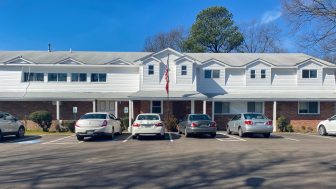
Cocaine and Alcohol Awareness Program Outpatient Services
4041 Knight Arnold Rd.
Memphis, TN 38118
 Sponsored
About Cocaine and Alcohol Awareness Program Outpatient Services
If you’re experiencing difficulties with alcohol and cocaine dependency, the Cocaine and Alcohol Awareness Program (CAAP) in Memphis, Tennessee provides outpatient and residential services for those who are looking to begin or continue their recovery journey.
Established in 1989, they’re a nonprofit that primarily treats adults with substance abuse and other behavioral health issues. One facet of this facility that I really appreciate is that they also provide testing, education, counseling, support and resources to those living with HIV.
Outpatient Care for Those Beginning or Continuing a Recovery Journey
CAAP provides both intensive and standard outpatient care at this facility. Their program is conducted with regular and random drug screening. Following completion of the program, clients are monitored for a two year period and participate in continued outpatient care. This involves participation in therapeutic groups and other support systems.
Standard outpatient care consists of a minimum of six hours per week, and intensive care consists of a minimum of nine hours per week. You can remain in this program’s intensive outpatient care for up to 90 days. I thought it notable that they incorporate anger management and relapse prevention education in this program.
Residential Treatment for Skill and Resilience Building
If a residential treatment program fits best for your needs, this facility may provide a therapeutic environment to bolster your recovery journey. Residents can stay in their treatment program for up to six months.
Upon entry, you’ll complete an assessment to determine where you are in recovery and where you want to go. The program provides services such as group counseling, alcohol and drug education, life skills instruction, and relapse prevention. Like outpatient care, this program also conducts random drug testing.
Located about 15 miles outside of downtown Memphis, there are many attractions to explore while you’re in treatment. Memphis has a long history that is intertwined with the history of rock and soul music, and hosts sites such as Elvis Presley’s mansion and the “Rock n Soul” museum, which is an affiliate of the Smithsonian.
Amenities
Addiction treatment programs provide an opportunity to get your life back on track with access to school classes or college courses. Whether you want to finish your GED or go back to school to learn a new trade, facilities often enlist tutors and teachers who are certified or licensed by the state to oversee self-study or distance-learning education.
Private drug rehab provides a comfortable, secure environment that allows you to focus on doing the work to get your life back on track. Benefits include a higher staff-to-client ratio, increased one-on-one time with therapists and healthcare providers, private rooms for clients, and customized forms of therapy.
Residential drug rehab provides the comforts of home with the therapeutic support needed to successfully recover. Benefits of an inpatient program include increased safety, a higher success rate, and the time and distance given to focus on recovery. Residential drug rehabs are often the preferred method of treatment, as they can be tailored to meet specific needs, offer focused therapeutic care, and provide the necessary tools to sustain recovery.
Addiction Treatment Programs
An adult program in Tennessee helps individuals reclaim their lives from addiction. Through various treatment methods, adults learn how to end their dependence on substances and live a drug-free lifestyle.
An alcohol rehab in Tennessee provides treatment to break free from alcohol addiction. Methods typically combine counseling, group support, and behavioral therapy, with alcohol abstinence and long-term sobriety as the goals.
Drug rehab in Tennessee prepares you to start life anew with the right tools to maintain sobriety. You’ll learn how to manage stress, adopt healthy lifestyle habits, and prevent relapse. This is typically accomplished through counseling, medication, and evidence-based therapies.
Men’s rehab in Tennessee addresses the different life experiences and genetic factors that shape how men are affected by addiction. By doing so, this type of treatment can be most effective for men who are struggling with substance use.
Opioid rehab in Tennessee helps you overcome your addiction to opioids. Programs typically include detoxification, medication assisted treatment, and counseling. Detox helps you safely manage withdrawal. Counseling helps you explore the reasons behind your addiction and learn skills to overcome it.
The main goal of women’s rehab in Tennessee is to provide a comfortable setting where women can focus on recovery. This environment helps women in treatment nurture their body, mind, and spirit without distractions.
A young adult program in Tennessee helps participants overcome the effects of substance use on the developing brain. Participants build positive peer relationships, learn how to manage stress without drugs or alcohol, and develop tools for resolving trauma and setting boundaries.
Levels of Care
Typically, drug rehab in Tennessee begins with a detox program.. This is the process of slowly and safely purging all addictive substances from your system. Detox may take a couple of days to a week, depending on your personal history and drug of choice. .
If you choose inpatient drug rehab in Tennessee, you live at the facility while receiving treatment. You’ll have 24/7 supervised clincial care while also receiving group and individual counseling and other forms of therapy.
Those who are coping well with reentry into society while sober are good candidates for outpatient rehab in Tennessee. This program involves attending multiple on-site sessions per week to provide accountability and support. Treatment lasts as long as you need it to, as it's based on your recovery progression.
One of the best ways to prevent relapse is to take advantage of Tennessee aftercare rehab. This program begins as soon as initial treatment ends. It provides ongoing support through counselors, support groups, and life coaches, to help you overcome hurdles on your recovery journey.
Substance abuse disorders are often accompanied by mental health issues such as depression, bipolar disorder, or ADHD. In these cases, dual diagnosis treatment in Tennessee offers integrated treatment to effectively treat both co-occurring disorders.
Sober living in Tennessee provides a structured environment with strict substance use policies that can help you learn to live a sober lifestyle. This intermediate step often helps people successfully transition from rehab treatment to independent living. An average stay is five to eight months.
Accreditations
Contact Information


 Sponsored