
Harbor House
 Sponsored

About Harbor House
A state department funds Harbor House, an addiction treatment center in Memphis for men only.
They serve men with a substance use disorder or a co-occurring disorder, a mental health condition alongside it.
A man who has insurance coverage for a substance use treatment facility can't enroll, but I like that they'll help him find another program.
Their approach stands out to me. The residential program runs 28 days, so those days are time away from work, and during 90 days of halfway care, therapies continue with a counselor.
State Funding for Care
That funding comes from the Tennessee Department of Mental Health and Substance Abuse, and Harbor House is a non-profit.
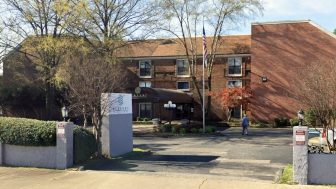
The center has eight wooded acres in South Memphis, and family members are encouraged to join a weekly group.
Continuing care meets weekly for anyone who has completed the residential program.
Amenities
Private drug rehab provides a comfortable, secure environment that allows you to focus on doing the work to get your life back on track. Benefits include a higher staff-to-client ratio, increased one-on-one time with therapists and healthcare providers, private rooms for clients, and customized forms of therapy.
Residential drug rehab provides the comforts of home with the therapeutic support needed to successfully recover. Benefits of an inpatient program include increased safety, a higher success rate, and the time and distance given to focus on recovery. Residential drug rehabs are often the preferred method of treatment, as they can be tailored to meet specific needs, offer focused therapeutic care, and provide the necessary tools to sustain recovery.
In order to maintain a sense of autonomy, many private rehab facilities offer clients the ability to choose their own private rooms. The privacy and personal space ensure that the recovery process is as comfortable as possible.
Wilderness rehab programs offer all the benefits of a traditional drug rehab, but with the added benefits of outdoor adventure. Venture out into the forest to learn new skills, explore the beauty of nature, and relieve stress. Engaging in wilderness activities is a great way to gain self-discovery and release negative emotions.
Addiction Treatment Programs
A young adult program in Tennessee helps participants overcome the effects of substance use on the developing brain. Participants build positive peer relationships, learn how to manage stress without drugs or alcohol, and develop tools for resolving trauma and setting boundaries.
The program takes men with a substance use disorder, and a co-occurring disorder isn't a reason to be turned away.
An alcohol rehab in Tennessee provides treatment to break free from alcohol addiction. Methods typically combine counseling, group support, and behavioral therapy, with alcohol abstinence and long-term sobriety as the goals.
Men's rehab is the whole focus: residential treatment in Memphis for addiction, with dual disorders covered under the same roof.
Opioid rehab in Tennessee helps you overcome your addiction to opioids. Programs typically include detoxification, medication assisted treatment, and counseling. Detox helps you safely manage withdrawal. Counseling helps you explore the reasons behind your addiction and learn skills to overcome it.
Cognitive behavior therapy is used here, along with a 12-step model and motivational enhancement therapy.
Drug rehab in Tennessee prepares you to start life anew with the right tools to maintain sobriety. You’ll learn how to manage stress, adopt healthy lifestyle habits, and prevent relapse. This is typically accomplished through counseling, medication, and evidence-based therapies.
The main goal of women’s rehab in Tennessee is to provide a comfortable setting where women can focus on recovery. This environment helps women in treatment nurture their body, mind, and spirit without distractions.
As a form of psychotherapy, rational emotive behavioral therapy in Tennessee helps clients focus on the present and examine their unhealthy behaviors. Treatment teaches clients to identify how their beliefs are negatively impacting their lives and gives them the skills to alter irrational beliefs and resulting behaviors.
Fitness therapy is an evidence-based complementary approach to addiction recovery and mental health care. Based on mounting scientific evidence of the benefits of physical activity in improving mood, enhancing clients’ sense of wellbeing, and decreasing depression and anxiety, fitness therapy encompasses a wide spectrum of intensities, from gentle yoga, qigong, and tai chi to weight training, kickboxing, and other highly physical activities.
Assertive Community Treatment (ACT) is an integrative, community-based care strategy designed to address the needs of persons with severe and/or complex mental illness or behavioral disorders. ACT is typically provided by a multidisciplinary team of medical and mental health care providers, social workers, therapists, and other specialists, including addiction recovery professionals. These services are frequently provided in the home and community to clients in crisis, those who are clinically unstable, and those who are unable or unwilling to travel to a hospital or clinic for in-person treatment.
12-Step Programs are among the most popular and proven addiction recovery programs in the world. They are predicated on a lifelong recovery model that prioritizes whole-person healing and integrates the physical, psychological, emotional, social, and spiritual aspects of recovery. Programs are free, anonymous, open to the public, and community-based and are centered on group support, one-on-one peer coaching, and recovery education.
Levels of Care
The specialty here is men with dual disorders, meaning a substance use disorder alongside a co-occurring mental health condition.
Continuing care meets weekly for everyone who has finished the residential program, and that group stays open to them afterwards.
The residential program runs 28 days with individualized focused therapies, and a halfway care option continues it for another 90 days with the same counselor.
Sober living in Tennessee provides a structured environment with strict substance use policies that can help you learn to live a sober lifestyle. This intermediate step often helps people successfully transition from rehab treatment to independent living. An average stay is five to eight months.
Intervention services in Tennessee are available for family members who need support as they try to guide a loved one toward wise choices. To get loved ones the help they need, intervention specialists offer facilitation of interventions, access to valuable resources, and guidance in choosing the best treatment plan.
Accreditations
Contact Information


 Sponsored
Amy Greene’s first novel Bloodroot was a New York Times and National Bestseller and a New York Times Editor’s Choice pick. Her second novel Long Man was a Washington Post Top Book of the Year. She lives in the Smoky Mountains of East Tennessee with her husband and two children.
Rehabs.org regularly reviews this listing for accuracy but changes may occur between updates. For the most up-to-date information, please contact Harbor House.
Nearby Treatment Centers


Popular Tennessee Cities
More Cities View Other Tennessee CitiesFAQs
How is Harbor House funded, and what does that mean for paying?
Funding comes from the state department that covers mental health and substance abuse in Tennessee, and the organization is a non-profit corporation rather than a private owner. The paying for rehab page goes through the general options. What that means for a specific bill is worth asking about directly.
What levels of care does Harbor House offer for men?
Residential treatment for 28 days, a medical detox phase of seven days, halfway care for 90 days after that, and continuing care meetings every week once the residential program is done. Dual disorders are treated as part of it, since the program specializes in men with both.
Who does the program serve, and does it take co-occurring cases?
Men with a substance use disorder. A co-occurring disorder doesn’t rule anyone out, and men dealing with both find a place here. The program offers refuge to men in that situation, and co-occurring disorders care is part of what that refuge covers.
How long does the residential program last?
28 days for the residential program itself. The detoxification phase is seven days, monitoring withdrawal as it goes. After the 28 days, halfway care adds 90 more, with the same counselor carrying on the therapies. Continuing care then meets weekly for anyone who finishes.
What's the setting and the campus like?
Eight wooded acres in South Memphis. That’s the residential setting, so the program and the place men live during treatment are the same spot. The campus is the whole setting for the program.
