Broad Highway Recovery Interventions
5706 Jasonwood Court
Richmond, VA 23225
 Sponsored
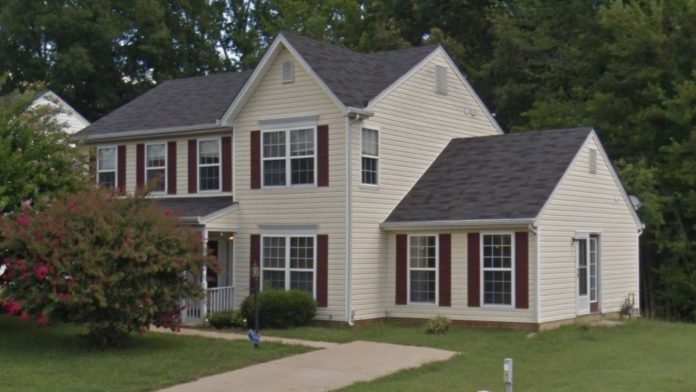
About Broad Highway Recovery Interventions
Broad Highway Recovery is located in Richmond, Virginia. They provide addiction intervention services with the goal of helping you and your loved ones through every step of the recovery process. With their family centered approach, interventionists provide the tools and the language to best support the people close to you during a time that feels overwhelming.
Intervention Services
If someone you love is struggling with alcohol, gaming, gambling, or sex and love addiction seeking an interventionist may be useful. At Broad Highway Recovery, interventionists aim to help you set healthy boundaries, seek educational and other supportive resources, and help your loved one find a treatment facility. I think the way Broad Highway Recovery supports each step of addiction makes a well rounded recovery possible.
Former and current clients have commended the intervention services at Broad Highway Recovery. Clients detailed how they guide you through the entire process, maintaining professionalism and having compassion for you and your loved ones. One client left a positive comment about one of the staff members who “took time to understand the situation, provide empathy to our family, but most importantly told us and my uncle the truth even if it was hard for us to hear.”
Connecting with the Community
I think a healing aspect of the recovery process can be seeking tranquil environments in the community and spending time with people in your support system. In Richmond, near the center, Forest Hill Park has activities like hiking, fishing, and trail biking. It is also known for the historical place, Stone House, with walking trails and tennis courts.
Amenities
Private drug rehab provides a comfortable, secure environment that allows you to focus on doing the work to get your life back on track. Benefits include a higher staff-to-client ratio, increased one-on-one time with therapists and healthcare providers, private rooms for clients, and customized forms of therapy.
Recreational therapy uniquely combines therapeutic interventions with an activity, like horse-riding, hiking, wilderness therapy, basketball, tennis, or a full workout. Benefits of recreational therapy include providing a healthy way to work through the emotions of recovery, learning to build and maintain relationships, improving communication skills, and building self-esteem.
Residential drug rehab provides the comforts of home with the therapeutic support needed to successfully recover. Benefits of an inpatient program include increased safety, a higher success rate, and the time and distance given to focus on recovery. Residential drug rehabs are often the preferred method of treatment, as they can be tailored to meet specific needs, offer focused therapeutic care, and provide the necessary tools to sustain recovery.
Some rehab programs offer free Wi-Fi to guests who have full access to their smartphone devices or laptop computers during treatment. While access to these devices may be allowed, the time spent using them is often regulated or restricted so clients can focus on treatment.
Addiction Treatment Programs
An adult program in Virginia is often the ideal solution for individuals struggling with substance use. Care is available at different intensity levels, based on individual situations, and a variety of treatment methods are used, to meet each person’s unique needs.
Alcohol rehab in Virginia is treatment that helps people overcome addiction. Men and women struggling with alcohol use disorder receive the support and therapies they need to address substance use issues and move forward in recovery.
When you enroll in drug rehab in Virginia, you receive a treatment regimen that is designed to help you overcome your addictive behaviors. This may include education on addiction, group therapy, mental therapy, and relapse prevention.
At men’s rehab in Virginia, participants don’t have to feel the need to hide their struggles. Men can share emotions and challenges freely and get the support they need.
During opioid rehab in Virginia, a team of professionals will work with you to create a recovery plan. This plan will include evidence-based therapies and other methods that address your unique needs and help you begin your journey toward recovery.
Women’s rehab in Virginia often allows participants to find their voices for the first time. The safe, caring environment nurtures relationships with other women and helps women discover who they are and how to live a life without substances.
Levels of Care
Drug and alcohol rehab in Virginia often takes place in an inpatient rehab setting. This means living at the treatment center under 24/7 clincial supervision while you receive various treatments. Typical methods include individual and group therapy, medication, and dietary counseling.
Virginia outpatient rehab typically requires a few hours of treatment per week. You’ll be asked to attend group meetings such as NA or AA as well as one-on-one sessions with a recovery expert. This treatment may last for a few weeks or many months, depending on your needs.
Virginia aftercare rehab is an important follow-up to rehab. Many people in recovery remain in aftercare for a year or more. During that time, aftercare services provide continued counseling, support groups, and practical legal, financial, and career guidance.
Substance abuse and mental illness often go hand in hand. When they co-occur, it is crucial to treat both disorders. A Virginia dual diagnosis treatment center offers the integrated approach necessary to address all issues involved.
Successful recovery journeys often begin with intervention services. This treatment tool provides education, resources, and support so families can stage an effective intervention. Staff intervention professionals also assist with the development of treatment plans and provide guidance for admission to drug rehab in Virginia.
Sober living in Virginia is designed for those who want to maintain abstinence from drugs and alcohol. These living environments are usually centered around a 12-step program, and residents are required to demonstrate progress toward long-term recovery.
Contact Information


 Sponsored